Address
304 North Cardinal
St. Dorchester Center, MA 02124
Work Hours
Monday to Friday: 7AM - 7PM
Weekend: 10AM - 5PM
Address
304 North Cardinal
St. Dorchester Center, MA 02124
Work Hours
Monday to Friday: 7AM - 7PM
Weekend: 10AM - 5PM
Terry towelling cotton occupies a unique space in the textile world. Its signature looped pile is instantly recognizable by touch and sight, evoking images of plush bathrobes, absorbent beach towels, and classic hotel linens. But beneath this familiar exterior lies a fabric with significant variation in performance, cost, and suitability for different applications. Choosing the right terry is not simply about picking a soft material; it’s about understanding how its construction dictates its behavior, its limitations, and ultimately, its success in your intended use. This guide cuts through the generalities to provide a clear framework for evaluating, specifying, and sourcing terry towelling cotton for both apparel and home textile projects.
Whether you are a designer sourcing for a new product line, a small business ordering branded merchandise, or a discerning consumer selecting a premium bathrobe, your decision hinges on a few critical factors. The terminology can be confusing—terms like “terry cloth,” “French terry,” and “velour” are often used interchangeably but denote meaningful differences. This article will define these terms, explore the manufacturing mechanics that create them, and translate that knowledge into actionable specifications you can use when dealing with suppliers.
While the full picture requires understanding construction, three primary specifications will immediately narrow your field of options and align a fabric with its intended job:
Keep these three anchors in mind as we unpack how they are created and what they mean for real-world use.
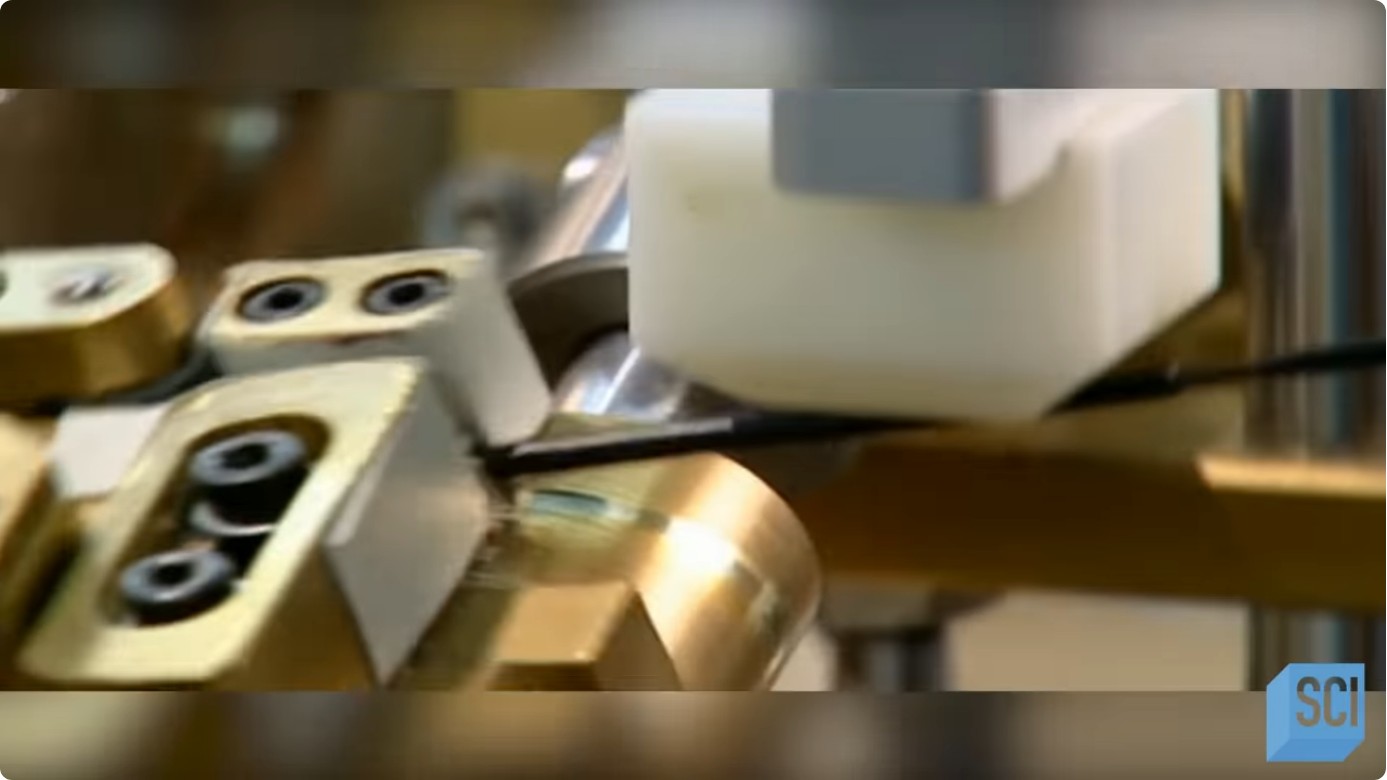
Terry is not a knit; it is a woven fabric with a unique weaving process that creates its extra-long pile loops. The magic happens on a specialized loom where the weft (crosswise) yarn is inserted in a way that forms loops on one or both sides of the fabric. The length of these loops, determined by the “pile height” setting on the loom, is a major factor in the fabric’s plushness.
This is where key distinctions emerge:
The loom technology also matters. Older rapier looms can produce high-quality terry but are slower. Modern air-jet looms are faster and more efficient but can sometimes produce slightly less uniform loops if not perfectly calibrated. For most commercial applications, the difference is negligible, but for ultra-luxury specifications, the loom type can be a talking point with high-end mills.
Understanding terry’s performance requires looking beyond marketing claims. Its properties are a direct result of its woven loop structure.
The loops act like thousands of tiny capillaries, pulling moisture away from the skin. This makes cotton terry superior to most synthetics for bath and beach use. However, this strength is also its weakness: a heavy, long-loop terry will hold a tremendous amount of water, meaning it takes significantly longer to air-dry and is more prone to developing mildew if stored damp. A lightweight, short-loop terry will dry much faster but won’t feel as “thirsty.”
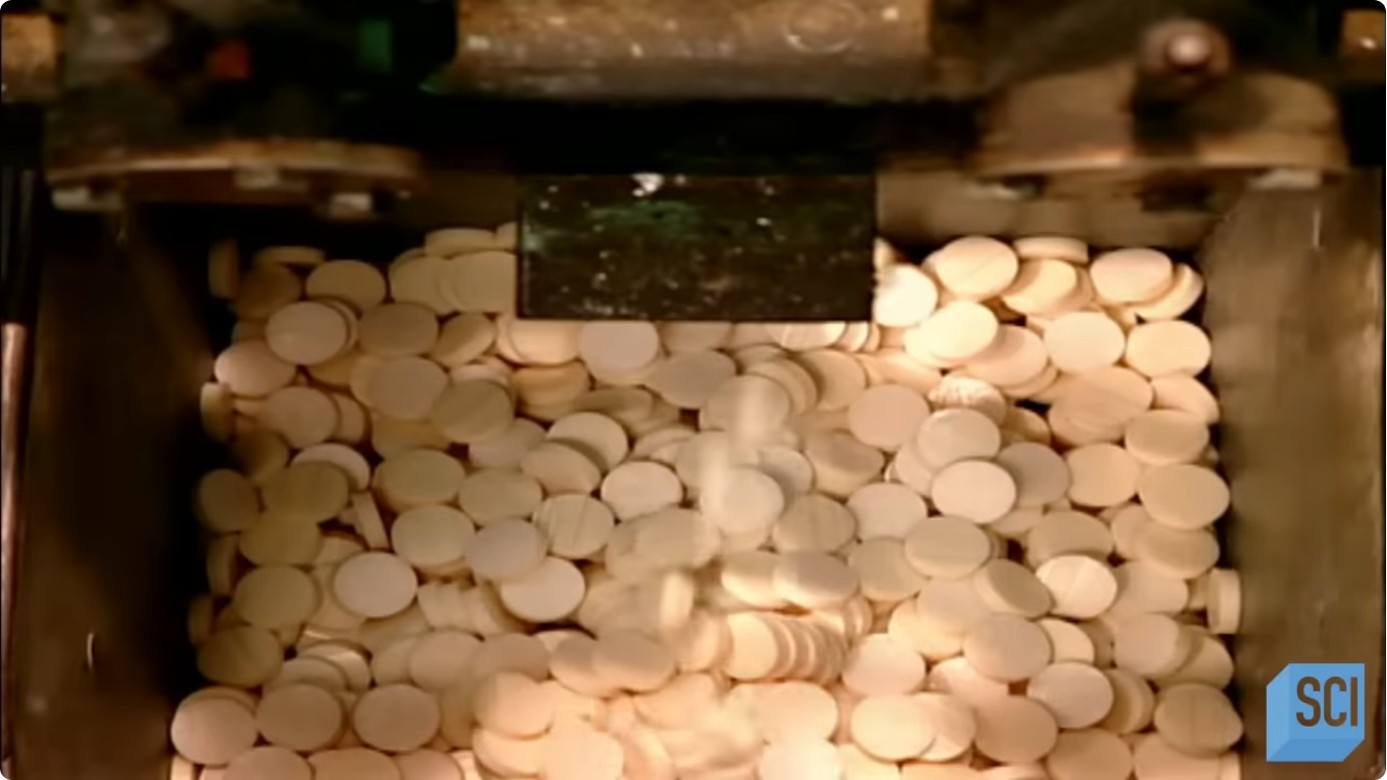
Softness is influenced by fiber quality (long-staple Egyptian or Pima cotton is softer), yarn construction (combed yarns are smoother than carded), and loop length. Longer, uniform loops feel plusher. However, longer loops are also more susceptible to pilling—the formation of small, tangled balls of fiber on the surface—especially if the yarn is weak or the fabric is subjected to abrasion (like rubbing against a rough surface). Velour, with its cut pile, can feel softer initially but may also show wear differently.
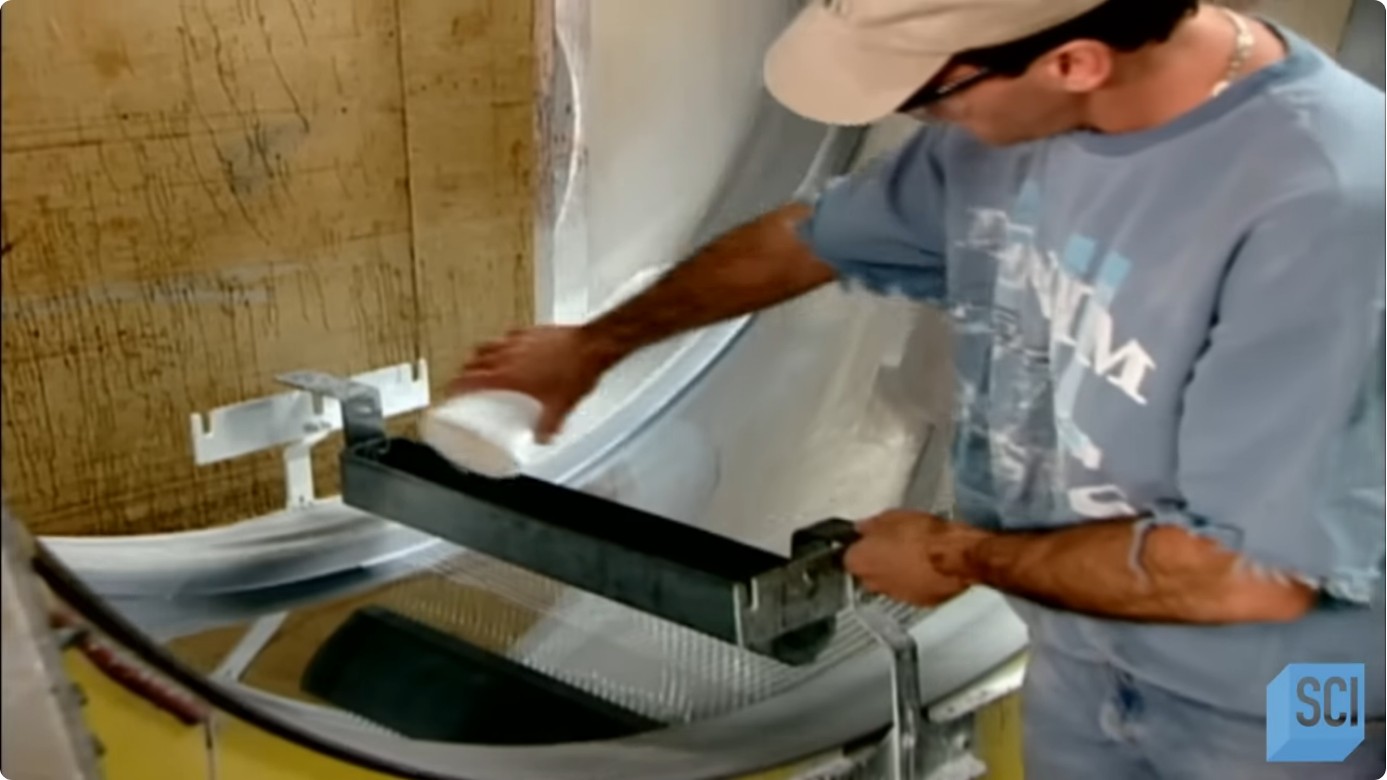
100% cotton terry will shrink, typically 3-10% in the first wash, depending on the yarn and any pre-shrinking (sanforizing) treatment. This must be factored into pattern making and finished garment dimensions. Blends with 10-20% polyester dramatically reduce shrinkage and can help the fabric maintain its shape and loop integrity over time, but they also reduce the natural hand and absorbency.
The following table summarizes how these core properties typically vary across the main terry types:
| Property | Traditional Terry (Uncut) | French Terry | Velour (Cut Terry) |
|---|---|---|---|
| Primary Texture | Bumpy, looped on both sides | Smooth on one side, looped on the other | Smooth, plush, velvet-like on both sides |
| Absorbency | Very High (open loops wick well) | Moderate-High (loops only on inner side) | Moderate (cut pile holds less water) |
| Drying Speed | Slow (holds more water) | Moderate | Moderate-Fast |
| Common GSM Range | 300 – 600+ (towels: 400-600) | 250 – 350 (apparel) | 300 – 450 (apparel) |
| Typical Use | Bath towels, beach towels, robes | Sweatshirts, loungewear, light robes | Luxe robes, infants’ wear, some upholstery |
| Key Tradeoff | Max absorbency vs. slow dry, bulk | Comfort vs. lower absorbency on outer side | Soft feel vs. reduced wicking ability |
Moving from concept to sample requires precise language. Vague requests for “soft terry” will yield inconsistent results. Here is a practical checklist for your specification sheet or initial inquiry.
A crucial caveat: the term “terry towelling” is sometimes used generically, especially in the UK, to describe any looped fabric, including synthetic imitations. Always confirm the fiber content is cotton if that is your requirement. A performance test for absorbency (like AATCC 79) can be requested for critical applications, though this is more common in industrial than apparel sourcing.
The right terry for a luxury spa robe is wrong for a runner’s towel. Here’s how the specs translate to end-use:
Before finalizing an order, resolve these points with your supplier. The answers will prevent costly mistakes and ensure the final product performs as expected.
Terry towelling cotton is a deceptively simple material whose performance is entirely defined by its construction. A high-GSM, 100% cotton, uncut-loop terry is the undisputed champion of absorbency for bath textiles. A lighter, combed, ring-spun French terry is the workhorse of comfortable casual wear. Velour sacrifices some wicking for a sublime, soft feel. The “best” terry is the one whose specific combination of weight, loop type, and fiber content is perfectly aligned with the demands of its final use. By speaking the language of GSM, loop construction, and fiber specs, and by rigorously testing samples, you move from guessing to informed specification, ensuring your terry product delivers on its promise, whether that’s to dry, to comfort, or to last.


