Address
304 North Cardinal
St. Dorchester Center, MA 02124
Work Hours
Monday to Friday: 7AM - 7PM
Weekend: 10AM - 5PM
Address
304 North Cardinal
St. Dorchester Center, MA 02124
Work Hours
Monday to Friday: 7AM - 7PM
Weekend: 10AM - 5PM
When you run your fingers over a casual summer shirt or a textured throw pillow, that distinctive pebbled, non-uniform surface is often the work of cotton slub. Far from a manufacturing defect, slub is a deliberate and celebrated yarn characteristic that defines the aesthetic and tactile personality of a fabric. Understanding cotton slub material is key for designers, home sewers, and small brand owners who want to harness its rustic charm while making informed choices about performance, care, and cost.
This guide cuts through the ambiguity. We’ll explore exactly what creates slub, how it impacts a garment’s look and feel, where it shines (and where it struggles), and what practical questions you should ask when sourcing it. Whether you’re evaluating fabrics for a new product line or simply curious about your favorite button-down, this is your foundational resource.
The term “slub” refers to a thick, raised section in a yarn that is deliberately created during the spinning process. In perfectly uniform yarn, the diameter is consistent from end to end. Slub yarn breaks that consistency, introducing periodic, often irregular, thicker sections. These slubs catch the light differently and create a pronounced, nubby texture on the woven or knitted fabric surface. Think of it as the textile equivalent of aspeckled or grained leather—the variation is the feature.
You may also like: The Complete Guide to 100% Cotton Terry Fabric
It’s crucial to distinguish slub from fabric imperfections or damage. A poorly made fabric might have random thick and thin spots from weak spinning, but a true slub fabric has a controlled, repeated, or intentionally random pattern of texture that is part of its design specification.
Slub can be achieved in two primary ways, each with a different visual result:
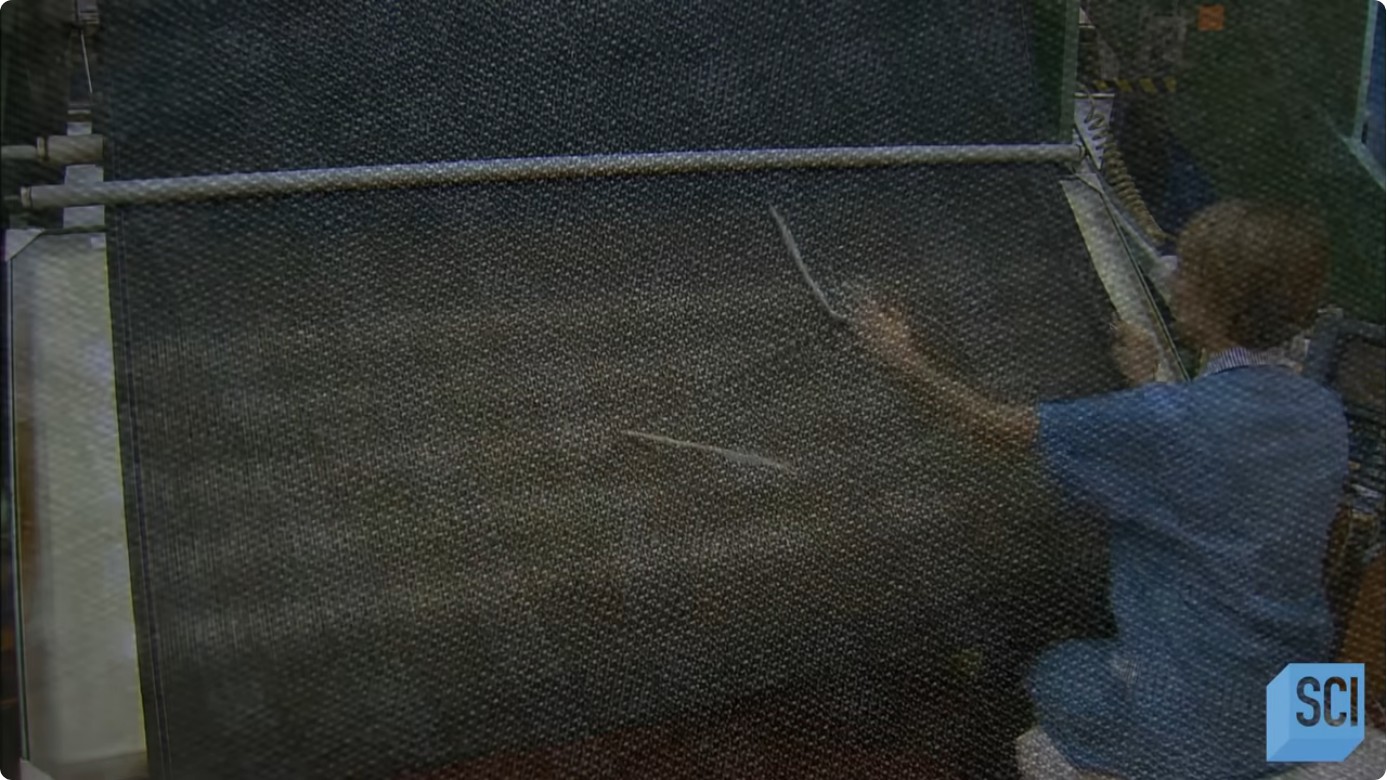
The slub effect originates long before the fabric reaches the loom. Here’s a simplified breakdown of the intentional creation of slub yarn:
This controlled introduction of texture is what separates high-quality slub from poorly spun, uneven fabric. For a technical deep-dive into yarn formation, resources from the National Cotton Council provide foundational knowledge.
Slub cotton’s defining characteristic—its uneven surface—directly influences its practical properties. You must weigh the aesthetic benefits against functional tradeoffs.
| Property | Typical Behavior in Slub Cotton | Implication for Use |
|---|---|---|
| Handfeel & Drape | Softer, more casual handfeel than a smooth cotton of similar weight. Drape is often slightly stiffer or more “pebbly” due to the texture. | Ideal for relaxed-fit apparel, upholstery, and home textiles where a soft, lived-in feel is desired. Less suitable for fluid, draped garments. |
| Opacity | Generally more opaque than a fine, uniform cotton of the same weight because the thicker yarns create more density. | Good for shirts and lighter garments where opacity is a concern without needing a heavy fabric. |
| Pilling Resistance | Weaker. The raised slubs are more prone to abrasion and can form pills (tiny balls of tangled fiber) with wear and washing. | Requires more careful laundering (gentle cycle, inside-out). Not the best choice for high-friction areas like sofa arms or children’s play clothes unless a durable blend is used. |
| Wrinkle Resistance | Moderate. The texture can visually mask minor wrinkles better than a perfectly smooth poplin, but the fabric itself wrinkles like any cotton. | Good for casual wear where a perfectly crisp look isn’t required. Expect a relaxed, textured appearance after wear. |
| Dye Uptake | Variable. Thicker slub sections may absorb dye slightly differently, enhancing the textural contrast. This can be a feature or a point of inconsistency. | Creates a beautiful heather or melange effect. Be aware that color matching to a smooth cotton will be different. |
| Durability & Strength | Comparable to the base yarn. A slub in a 100% cotton, 30/1 yarn has similar strength to a non-slub 30/1 yarn. However, the slub’s surface is more vulnerable to abrasion. | Fabric weight and yarn count are better indicators of overall strength than the presence of slub. Focus on these for durability specs. |
The unique aesthetic of slub cotton makes it a favorite in specific markets. Its use is rarely about high-performance functionality and almost entirely about visual and tactile character.
A Key Caveat: Slub is generally not the choice for performance activewear, premium dress shirts requiring a super-smooth finish, or garments where a sleek, uniform silhouette is critical. Its personality is rustic, not refined.
If you’re buying slub cotton for production, asking the right questions prevents costly mismatches. Use this checklist when reviewing fabric swatches or conversing with suppliers.
Related guide: The Foundation of Fit: Selecting the Right Fabric for Your One Piece Swimsuit Pattern
The very texture that makes slub desirable also makes it require specific care. The raised fibers are vulnerable.
Following these steps will minimize pilling and help the fabric develop a soft, lived-in patina over time rather than looking worn out.
Cotton slub material is a powerful tool for adding instant character and tactile warmth. Its beauty lies in its imperfection. However, selecting it is a conscious trade-off: you gain a unique, artisanal aesthetic but potentially sacrifice some smoothness, wrinkle-resistance, and long-term surface integrity. The decision should be guided by the end-use. For a relaxed linen-style shirt, a textured cushion, or a casual tote, slub is an excellent, cost-effective choice that feels more special than a plain weave. For a performance polo or a silk-like blouse, it is the wrong tool for the job.
Success with slub comes down to managing expectations, sourcing a consistent quality from a reputable supplier, and educating your customer on its care. Treat it as a design feature, not a fabric flaw, and you’ll leverage its full potential.
Is slub cotton lower quality than regular cotton?
Not inherently. Quality is determined by the cotton grade, yarn count, and fabric construction. Slub is a stylistic choice. You can have high-quality, long-staple cotton spun into a fine slub yarn, or low-quality cotton in a uniform yarn. Always evaluate the fabric’s overall feel, weight, and construction.
Will slub cotton shrink a lot?
untreated 100% cotton slub can shrink considerably (5-15%). Always confirm if the fabric has been pre-shrunk (sanforized). For garments, design with this in mind and pre-wash your fabric before cutting.
Can I use slub cotton for fitted, tailored garments?
Use with caution. The texture can make a garment look bulkier than a smooth fabric of the same weight. It works better in relaxed, straight, or oversized fits. For a tailored look, a fine, subtle slub in a high thread count weave might work, but test a prototype first.
How can I tell good slub from bad slub?
Good slub is integrated. The thick and thin sections are part of the yarn structure, creating a regular or pleasingly random texture. Bad slub looks like weak spots, breaks, or inconsistent neps that create holes or thin areas. The fabric should feel robust, not fragile, at the slub points.
Related guide: Understanding Fabric Rib Knit: Construction, Uses, and Sourcing Guide


