Address
304 North Cardinal
St. Dorchester Center, MA 02124
Work Hours
Monday to Friday: 7AM - 7PM
Weekend: 10AM - 5PM
Address
304 North Cardinal
St. Dorchester Center, MA 02124
Work Hours
Monday to Friday: 7AM - 7PM
Weekend: 10AM - 5PM
For anyone moving beyond basic woven cotton, the introduction of a stretch component like Lycra (or spandex/elastane) opens up a new world of fit, comfort, and functionality. White cotton lycra fabric is a foundational textile in modern apparel, serving as the blank canvas for everything from crisp t-shirts and comfortable underwear to performance base layers and fitted dresses. Its popularity stems from a simple but powerful combination: the natural breathability and feel of cotton, enhanced by the mechanical stretch and recovery of synthetic elastane. Understanding this blend—its exact composition, how it behaves, and where to source it—is critical for making informed decisions that balance cost, performance, and longevity.
This guide cuts through the marketing to give you a practical, material-focused understanding of white cotton lycra. We’ll break down what defines it, analyze its key properties and inherent trade-offs, provide a framework for sourcing the right quality, and match its characteristics to specific apparel applications. Whether you’re a small brand owner, a fashion student, or a sewing enthusiast, knowing the details of this ubiquitous fabric will help you choose wisely and design or construct garments that perform as intended.
The term is deceptively simple but encompasses a range of specific constructions. At its core, it is a fabric where cotton is the primary fiber (often 85-95% of the blend) and Lycra, a branded type of elastane developed by The Lycra Company, is the secondary fiber (typically 5-15%). While “Lycra” is often used generically (like “Kleenex” for tissues), it’s important to recognize that other brands of elastane—such as Roica, Dorlastan, or ESP—are chemically similar but may have subtle differences in heat resistance or recovery power. For specification purposes, “elastane” or “spandex” (the generic term common in North America) is the precise fiber name.
You may also like: The Complete Guide to Jersey Knit by the Yard: From Selection to Sourcing
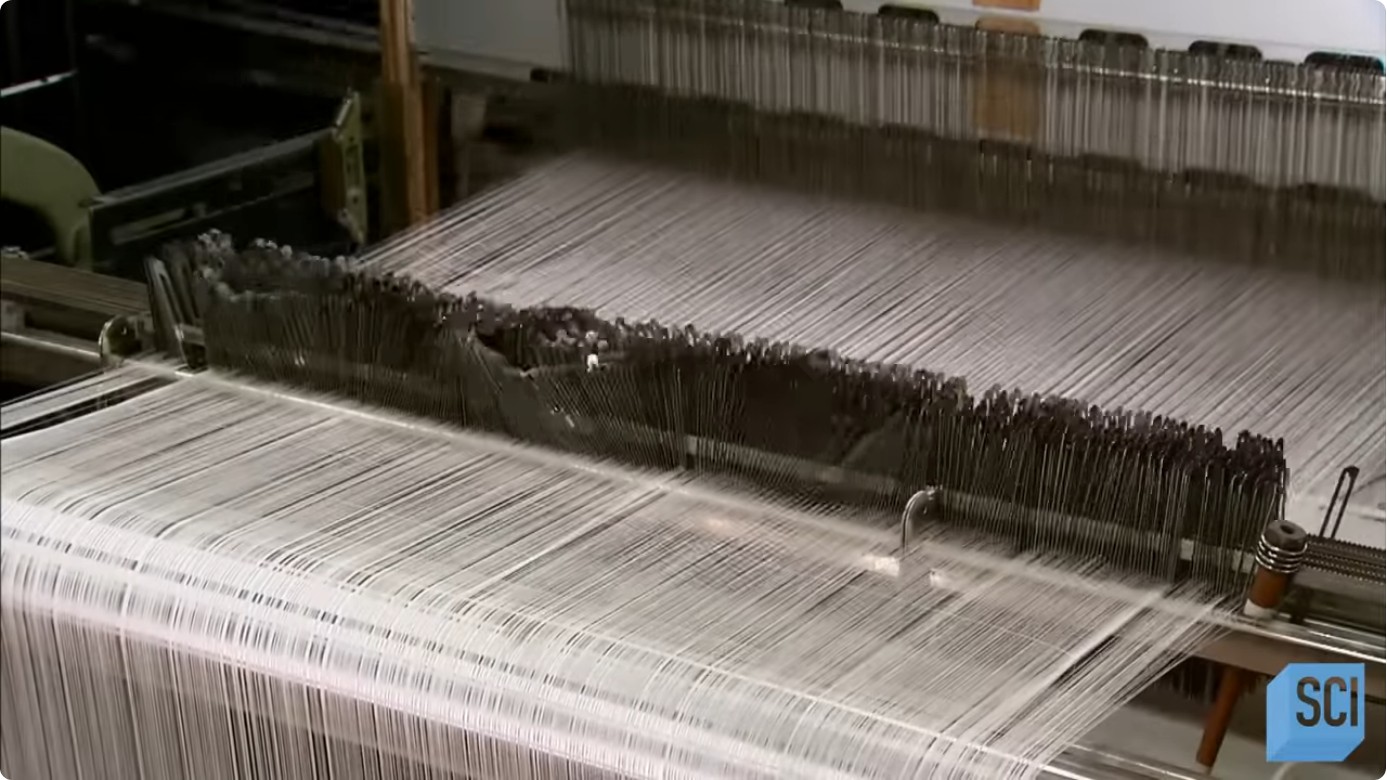
The fabric’s structure is almost always a knit, most commonly a single jersey (for t-shirts) or a rib knit (for cuffs, waistbands, and fitted garments). The elastane is typically spun or covered with a cotton sheath before knitting, which protects the elastic filament and improves dye uptake. A woven cotton/lycra blend exists but is far less common and is used for specific applications like lightweight denim or workwear requiring minimal stretch.
| Blend Ratio (Cotton/Elastane) | Typical Knit Structure | Primary Hand & Feel | Common Applications |
|---|---|---|---|
| 95% Cotton / 5% Elastane | Single Jersey, Interlock | Very cottony, minimal stretch, good recovery | Basic t-shirts, casual poplin shirts, lightweight dresses |
| 92% Cotton / 8% Elastane | Single Jersey, 1×1 Rib | Balanced cotton feel with noticeable stretch and recovery | Activewear base layers, fitted tees, yoga pants, underwear |
| 88% Cotton / 12% Elastane | 2×2 Rib, Ponte di Roma | Substantial stretch, firm recovery, less cotton drape | Compression wear, swimwear linings, performance shorts |
The white aspect of the fabric is a critical processing detail. White (or undyed) fabric is produced either from bleached cotton fibers or from optically brightened white yarns. This base allows for garment dyeing (where the finished garment is dyed) or garment washing, which is common for a soft, lived-in feel. For precise color matching, white base fabrics are essential. Note that the presence of elastane can complicate dyeing and finishing, as high temperatures during dyeing can damage the elastic fiber if not properly managed by the mill.
To evaluate if white cotton lycra is right for your project, you must separate its desirable traits from its limitations. The blend isn’t a magic bullet; it introduces specific care requirements and performance ceilings.
Not all white cotton lycra knits are created equal. Sourcing involves navigating specifications beyond just the blend ratio. A checklist approach will help you secure consistent, appropriate fabric.
For small runs or prototypes, domestic fabric converters or online retailers specializing in knit blanks are invaluable. For larger production, direct mills or reputable import distributors are the path. Always clarify payment terms and sample approval processes before placing a bulk order.
Helpful tip: Gingham Fabric Linen: A Practical Guide to the Checkered Weave and Its Flax Fiber Variant
The right fabric for the right job. Here’s how white cotton lycra performs across common apparel categories.
The care label is not a suggestion; it’s a requirement for cotton/lycra garments. Communicate this clearly if you’re producing for sale.
Following these guidelines will significantly extend the functional life of the stretch component, keeping garments fitting well for months or years.
Choosing this fabric comes down to a few key questions. Does your design require a soft, natural cotton hand with moderate, body-conscious stretch? Is your customer willing to follow specific low-heat care instructions? Is garment dyeing or a white base for custom color a requirement? If you answered yes, white cotton lycra is a strong contender. If you need maximum wicking, chlorine resistance, or high-temperature durability, you must look to all-synthetic technical blends. If you need absolute wrinkle-resistance for travel, a cotton/polyester blend might be a better trade-off.
The market for white cotton lycra is vast, from commodity-grade to premium. Your project’s price point and performance needs will dictate where in that spectrum you source. By understanding the material’s molecular limits—the temperature sensitivity of elastane—and its practical benefits, you can leverage this classic blend to create comfortable, attractive, and durable apparel.
Related guide: The Complete Guide to Choosing and Using a Poncho Sewing Pattern