Address
304 North Cardinal
St. Dorchester Center, MA 02124
Work Hours
Monday to Friday: 7AM - 7PM
Weekend: 10AM - 5PM
Address
304 North Cardinal
St. Dorchester Center, MA 02124
Work Hours
Monday to Friday: 7AM - 7PM
Weekend: 10AM - 5PM
French Terry is the fabric that feels like a soft, gentle hug. It’s the go-to material for cozy hoodies, relaxed sweatpants, and that perfect lightweight sweatshirt you reach for on a cool morning. But beneath its universal appeal lies a specific construction that sets it apart from other knits like jersey or fleece. Understanding French Terry’s unique looped-back structure, its range of weights and compositions, and where it truly excels—or falls short—is crucial for designers, brand owners, and anyone sourcing apparel fabrics. This guide cuts through the comfort-label confusion to give you the technical and practical details needed to make informed decisions about this staple textile.
We’ll break down exactly what makes a fabric “French Terry,” explore how fiber content and weight dictate its performance, compare it to common alternatives, and outline key considerations for wholesale sourcing. Whether you’re developing a luxury loungewear line or a basic t-shirt, knowing the nuances of French Terry will help you select the right fabric for your product’s intended use and price point.
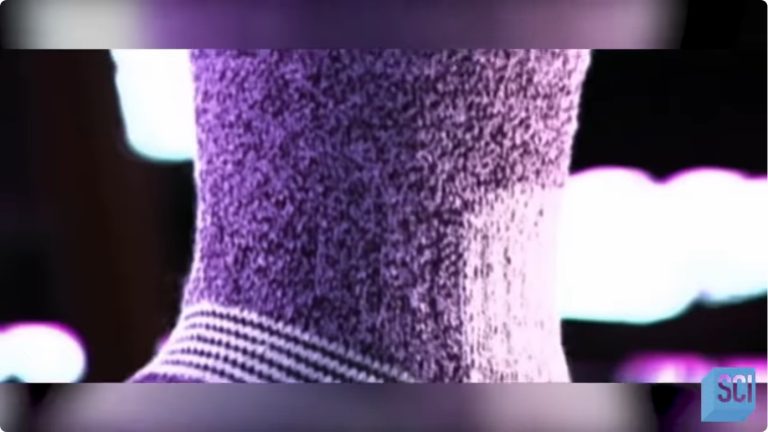
The defining characteristic of French Terry is its dual-face construction. It is a weft-knit fabric (like most t-shirts) where one side—the face—is smooth, often with a subtle texture. The other side—the back—features looped yarns that stand perpendicular from the surface, creating a soft, terrycloth-like texture. These loops are the source of its signature plush feel and breathability. This is distinct from fleece, where those loops are brushed and sheared to create a dense, fuzzy pile on both sides, and from standard jersey, which is flat and smooth on both faces.
Also read: The Fleece Fabric Sweatshirt: A Practical Guide to Material, Construction, and Choice
This looped-back construction is created on a specialized knitting machine. The yarns forming the loops on the backside are typically left uncut, though variations exist. The loops create tiny air pockets, which is why French Terry is prized for its thermal regulation and moisture wicking capabilities—it can hold moisture away from the skin while still feeling dry. The smooth face provides a clean, printable surface, making it versatile for both garment construction and graphic application.
A common point of confusion exists between French Terry and Terry Cloth. While both have loops, they are fundamentally different in construction and end-use:

Using the wrong term can lead to sourcing errors. If you need a soft, stretchy hoodie, you want French Terry. If you need an ultra-absorbent bathrobe, you want woven terry cloth.
Not all French Terry is created equal. Two primary factors dictate its character: the fiber blend and the fabric weight (measured in grams per square meter, GSM, or ounces per square yard).
The most traditional and common French Terry is a cotton-rich blend, often 80/20 or 85/15 cotton/polyester. The cotton provides softness, breathability, and a natural feel, while the polyester adds durability, wrinkle resistance, and helps the garment hold its shape. For a premium, softer feel, 100% cotton French Terry is used, but it will shrink more and may feel less resilient over time.
For performance applications, synthetic-dominated blends become relevant:
Fabric weight is arguably the most important specification to communicate to a supplier. It directly impacts the garment’s feel, durability, and seasonality.
| Weight Category (GSM) | Typical Feel & Use | Example Applications |
|---|---|---|
| Lightweight (200-280 GSM) | Thinner, more jersey-like with subtle loops. Good drape, less cozy. | Summer-weight sweatshirts, light pullovers, fashion tops, baby clothes. |
| Mid-Weight (280-350 GSM) | The classic range. Balanced softness, warmth, and structure. | Standard hoodies, crewneck sweatshirts, joggers, casual dresses. The most versatile. |
| Heavyweight (350+ GSM) | Substantial, dense, and very warm. Can be stiff initially. | Winter hoodies, workwear, outerwear layers, premium loungewear. |
Tradeoff Alert: Heavier fabrics are warmer and more durable but less breathable and can feel bulky. Lighter weights breathe better but may feel less substantial and offer less insulation. Your product’s intended season and use case should dictate the target GSM.
Sourcing French Terry involves navigating mills, converters, and minimum order quantities (MOQs). Here’s a actionable checklist for your sourcing process.
Understanding the supply chain helps manage expectations and cost.
Helpful tip: Rib Knit Material: The Stretch, Structure, and Sourcing Guide
French Terry’s reputation is rooted in comfort, but its performance profile is specific. It is not a high-intensity performance fabric.
Ideal For:
Less Ideal For:
Before finalizing your fabric choice, run through this quick mental checklist:
If you answered “yes” to the first three points, French Terry is almost certainly worth serious consideration. The remaining points will guide you toward the specific blend and weight within the French Terry family.
Is French Terry the same as sweatshirt fleece?
No. Sweatshirt fleece has a brushed, napped back that is fuzzy on both sides. French Terry has a smooth face and a looped, terry-like back. Fleece is generally warmer and heavier.
Can I wash French Terry like regular cotton?
Yes, but always follow the supplier’s care instructions. To minimize pilling and maintain softness, wash in cold water, avoid harsh detergents with bleach, and tumble dry on low heat or line dry. Pre-washed fabrics are more stable.
What is the best weight for a women’s fitted French Terry hoodie?
For a fitted style that isn’t overly bulky, a mid-weight in the 300-330 GSM range is an excellent starting point. It provides warmth and structure without excessive volume. Always verify how the specific fabric’s stretch and recovery behave once constructed into a garment.
Is looped-back French Terry more expensive than brushed-back?
Not necessarily. The cost is driven more by fiber content, yarn quality, and knitting complexity. Brushing is an additional finishing step that adds cost. High-quality, tightly looped French Terry can be as expensive or more so than a basic fleece. Always compare based on the full spec sheet and swatch.
Also read: The Complete Guide to Gauze Cotton Fabric for Apparel: Properties, Uses, and Sourcing