Address
304 North Cardinal
St. Dorchester Center, MA 02124
Work Hours
Monday to Friday: 7AM - 7PM
Weekend: 10AM - 5PM
Address
304 North Cardinal
St. Dorchester Center, MA 02124
Work Hours
Monday to Friday: 7AM - 7PM
Weekend: 10AM - 5PM
You’re wearing it right now, probably. That soft, stretchy, comfortable t-shirt? That’s almost certainly made from cotton jersey. It’s one of the most ubiquitous and essential fabrics in modern apparel, yet its name is often misunderstood. At its core, cotton jersey is a knitted fabric made from cotton yarns. The term “jersey” refers to the specific knitting technique, not the fiber content, which is why you’ll also find polyester jersey, rayon jersey, and blends. But when we say “cotton jersey,” we mean the cotton-knit workhorse that forms the foundation of casual wear, underwear, and countless basics. Understanding this fabric—its construction, properties, and variations—is crucial for anyone designing, sourcing, or simply buying clothing.
This guide will move beyond the basic definition. We’ll break down what makes jersey knit structurally different from woven fabrics like cotton poplin or twill, explore the critical factors that determine its quality and feel, and help you navigate common sourcing decisions. Whether you’re a brand owner selecting material for a new product line or a consumer wanting to understand why one t-shirt lasts longer than another, the details here will clarify the picture.
Before diving into the technicalities, keep these three practical attributes at the forefront of your mind. They are the primary drivers of a jersey fabric’s performance, cost, and suitability for a given application:
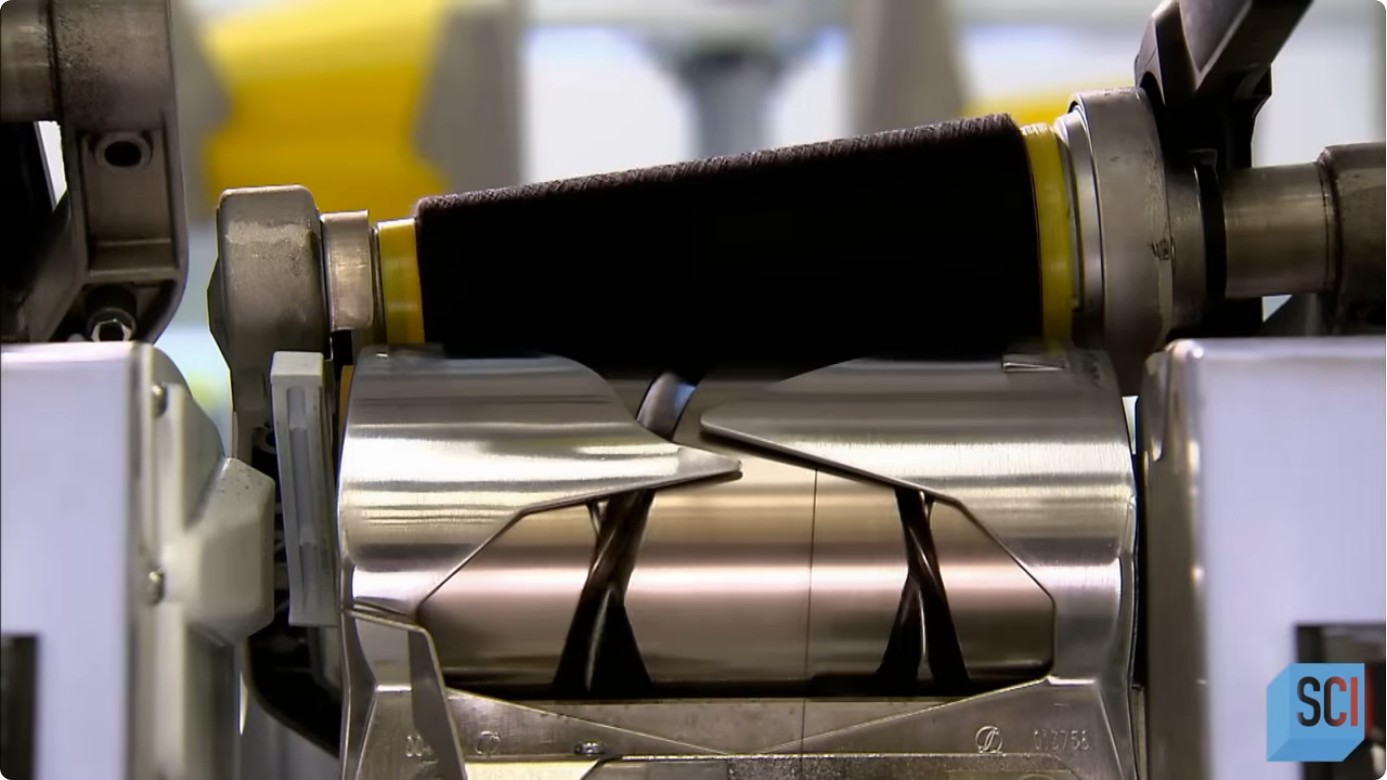
The single most important distinction is that jersey is a knit, not a weave. This isn’t just a technical footnote; it explains all of jersey’s signature behaviors. In weaving, two sets of yarns (warp and weft) interlace at right angles, creating a stable, rigid grid that doesn’t stretch much unless elastic yarns are added. In knitting—specifically the jersey stitch—a single yarn forms a continuous loop through the previous loop, creating an interlocking chain.
This looped structure gives jersey its inherent stretch and recovery, primarily in the width (across the body). It also makes the fabric much softer and more fluid in drape compared to a woven cotton shirt. However, this same structure makes jersey prone to “curl” at the fabric edges (the wales, or vertical loops, curl inward). This is a normal physical property of single jersey knit and a key consideration for pattern makers and cutters, as it affects laying and cutting efficiency.
If you look closely at the wrong side (the back) of a cotton jersey t-shirt, you’ll see a pattern of interlocking “V” shapes. That’s the hallmark of the jersey stitch. The right side shows a smooth, flat surface of stacked loops. This uniformity is why jersey machines are so efficient and why the fabric is relatively inexpensive to produce at scale.

No fabric is perfect. The desirable qualities of cotton jersey come with inherent trade-offs that designers and consumers should understand.
| Property | Advantage | Trade-off / Caveat |
|---|---|---|
| Natural Stretch | Comfortable, allows for movement without restriction. | Less stable than woven fabrics; can distort or “bag out” over time if not properly supported by garment construction (e.g., using rib knits at necklines and cuffs for recovery). |
| Softness & Drape | Feels soft against the skin; drapes loosely and comfortably. | Can show body shapes and undergarments more than a crisp, woven fabric. Not suitable for structured garments like dress shirts or blazers. |
| Breathability | Cotton’s natural moisture-wicking properties are retained. | When wet, cotton jersey loses much of its insulating property and can feel clammy. It also shrinks significantly if not pre-shrunk (sanforized). |
| Production Cost | Very low; high-speed circular knitting machines produce it efficiently. | The low cost can lead to a race-to-the-bottom on quality (thin yarns, poor dyeing, inconsistent knitting). A cheap jersey will pill, thin out, and lose shape quickly. |
Not all cotton jersey is created equal. The construction method creates distinct fabric types with different uses.
This is the classic, lightweight t-shirt fabric. It’s knitted on a single set of needles, resulting in a smooth face and a purl-textured back. It has good stretch but is the most prone to curling at the edges. It’s the baseline for most casualwear.
Two layers of single jersey are knitted together simultaneously, with the loops interlocking. This creates a fabric that is reversible (smooth on both sides), more stable, less prone to curling, and has a firmer hand. It’s commonly used for higher-quality t-shirts, polo pique knits (a variation), and dresses where more structure is desired.
A double-knit structure where one side is a smooth jersey face and the other side has loops ( Terry) that create a soft, uncut pile. It’s breathable, has a comfortable texture, and is ideal for lightweight sweatshirts, loungewear, and yoga wear. The looped side provides subtle warmth and moisture absorption.
Helpful tip: The Essential Guide to Knit Sweater Material: From Wool to Performance Blends
The inside of a French terry fabric is sheared to create a soft, fuzzy pile. This is fleece—a warm, insulating, and very soft double-knit. It’s the go-to for hoodies, winter layers, and cold-weather activewear. The pile traps air, significantly increasing warmth but reducing breathability compared to French terry.
Sourcing Note: When requesting samples from suppliers, always specify the exact type (e.g., “30/1 combed cotton single jersey, 180 gsm”) and the intended end-use. A vague request for “cotton jersey” will yield wildly inconsistent results, making comparison impossible. For performance applications, also ask about AATCC test results for pilling, shrinkage, and colorfastness.
The knitting structure is just the starting point. The final fabric character is defined by these subsequent processes:
Your fabric choice should be driven by the product’s function and the end-user’s expectations.
Is jersey the same as knit? Jersey is a type of weft knit (the most common). Not all knits are jersey; others include rib, purl, and interlock.
Why does my cotton jersey shirt shrink? Untreated cotton fibers relax and shrink when exposed to heat and water. Always use sanforized fabric and care instructions that recommend cold washing and line drying or low-heat drying.
What does “combed and ring-spun” mean? It’s a marker of quality. “Combed” means the yarn is refined to remove short fibers, making it smoother. “Ring-spun” refers to the spinning method that creates a stronger, softer yarn than the faster open-end method. Together, they indicate a premium, soft, and durable jersey.
Is 100% cotton jersey always the best choice? Not necessarily. For a performance t-shirt that needs to wick sweat quickly, a cotton/polyester blend may be more functional. For a fitted garment that must hold its shape, a small percentage of elastane is essential. Define the performance requirements first.


