Address
304 North Cardinal
St. Dorchester Center, MA 02124
Work Hours
Monday to Friday: 7AM - 7PM
Weekend: 10AM - 5PM
Address
304 North Cardinal
St. Dorchester Center, MA 02124
Work Hours
Monday to Friday: 7AM - 7PM
Weekend: 10AM - 5PM
If you’ve ever felt a exceptionally soft, smooth, and stable t-shirt, baby onesie, or high-end athletic top, you’ve likely experienced cotton interlock knit. It’s a fabric that often flies under the radar of casual conversation but is a powerhouse in apparel manufacturing due to its unique construction and reliable performance. Unlike the more common single-knit jersey, which can have a tendency to curl at the edges, interlock is a double-knit fabric that offers a smoother hand, better stability, and a reversible surface. This guide will break down exactly what makes cotton interlock distinct, where it excels, where it might fall short, and what you need to know whether you’re designing with it, sourcing it, or simply trying to understand your clothing labels.
Navigating fabric terminology can be confusing, with terms like “interlock,” “double-knit,” and “rib” often used interchangeably by mistake. True cotton interlock has a specific knitting structure that creates two tightly interlocked jersey layers. This isn’t just marketing jargon; this structure fundamentally changes the fabric’s behavior, care requirements, and ideal applications. We’ll move beyond definitions to explore the practical implications of that structure for your projects or purchases.
At its core, cotton interlock is a double-knit construction created on a special V-bed knitting machine. Imagine two standard jersey knits being produced simultaneously, one on top of the other, with their loops intermeshing. The needles alternate, so the loops of the front layer are knitted into the loops of the back layer, and vice versa. This creates a fabric that is, in effect, two thin jersey fabrics fused together at the stitch level.
This is the critical distinction from other double-knits. A Ponte di Roma or a stable knit might use a different needle arrangement or yarn feed. Interlock’s specific alternating loop interlock gives it a perfectly balanced, non-curling edge (the selvage) and two identical, smooth faces. There is no technical “wrong” side; both sides are usable and present a flat, knit-pattern surface.
If you look closely at the fabric under a light, you won’t see the classic “V” shapes of a single jersey on one side and horizontal lines on the other. Instead, you see a series of interconnected, small wales (vertical columns of stitches) that look almost like a fine grid. This is because the loops from the front and back are locking together. The result is a fabric that feels more like a woven cloth in its stability but retains the inherent stretch and softness of a knit.

The double-layer construction directly translates to a unique set of properties. Understanding these helps in predicting how the fabric will behave in use, during sewing, and after laundering.
| Property | Cotton Interlock | Single-Jersey Cotton | Implication |
|---|---|---|---|
| Surface & Hand | Smooth, flat, soft on both sides. No curl. | One smooth side (face), one with horizontal loops (back). prone to edge curl. | Interlock is ideal for reversible garments, garments where both sides show (like unlined jackets), and applications requiring a clean, flat finish without edge finishing. |
| Stability & Drape | High stability, less stretch than jersey. Moderate drape, more structured. | Less stable, more stretch, softer drape. | Interlock holds its shape better, making it easier to cut, sew, and press. It skims the body rather than clinging. |
| Thickness & Weight | For a given yarn count, it’s heavier and thicker than single jersey (it’s two layers). | Lighter and thinner for same yarn. | Provides more opacity and warmth per layer. Can feel bulky if using heavy yarns. |
| Breathability | Good, but slightly less than single jersey due to double layer trapping more air. | Excellent, maximum air permeability. | Still very breathable for cotton, but may be less ideal for extreme high-heat, high-exertion scenarios compared to a lightweight mesh. |
| Shrinkage | Potential for significant shrinkage if not pre-shrunk (sanforized). The double-layer can react unevenly. | Shrinkage is also a concern, but the single layer may react more uniformly. | Pre-washing is critical. Always check for sanforization and test wash a sample before cutting. |
The combination of softness, stability, and reversibility makes interlock a go-to for specific garment categories. Its use is rarely accidental; it’s a deliberate choice for performance and comfort.
No fabric is perfect for every situation. Cotton interlock has specific trade-offs that must be weighed.
The fabric’s stability is a double-edged sword for sewers. It doesn’t stretch under the presser foot like jersey, which is great for maintaining pattern shape. However, its thickness and lack of give can make it challenging on home sewing machines if you’re using a heavy needle or don’t adjust tension. It can also be more prone to “stabbing” (puckering) if not supported properly. Use a ballpoint or stretch needle (even though stretch is minimal, it prevents runs), and consider a walking foot for thick layers.
This cannot be overstated. untreated cotton interlock will shrink, and it can shrink significantly and unevenly because the two layers may contract at slightly different rates. Always purchase sanforized (pre-shrunk) fabric for production. For a personal project, pre-wash your yardage in the same hot water and drying cycle you plan to use for the final garment, then press it before cutting. The cost of a ruined garment far outweighs the time spent pre-treating.
While breathable, the double-layer construction creates a微小air pocket. This provides lovely light insulation, making it warmer than a single jersey of the same weight. For very hot, humid climates or high-intensity cardio, a single-knit or a moisture-wicking synthetic blend might be more comfortable. Interlock is better suited for temperate climates or moderate activity.
More advice: What Is Cotton Jersey? A Practical Guide to the Fabric You Wear Every Day
The manufacturing process for interlock is more complex and slower than for single jersey. The yarn consumption is effectively doubled. This generally makes 100% cotton interlock more expensive per yard than a comparable single jersey. The price is justified by the enhanced properties, but it’s a key factor in fabric selection for cost-sensitive projects.
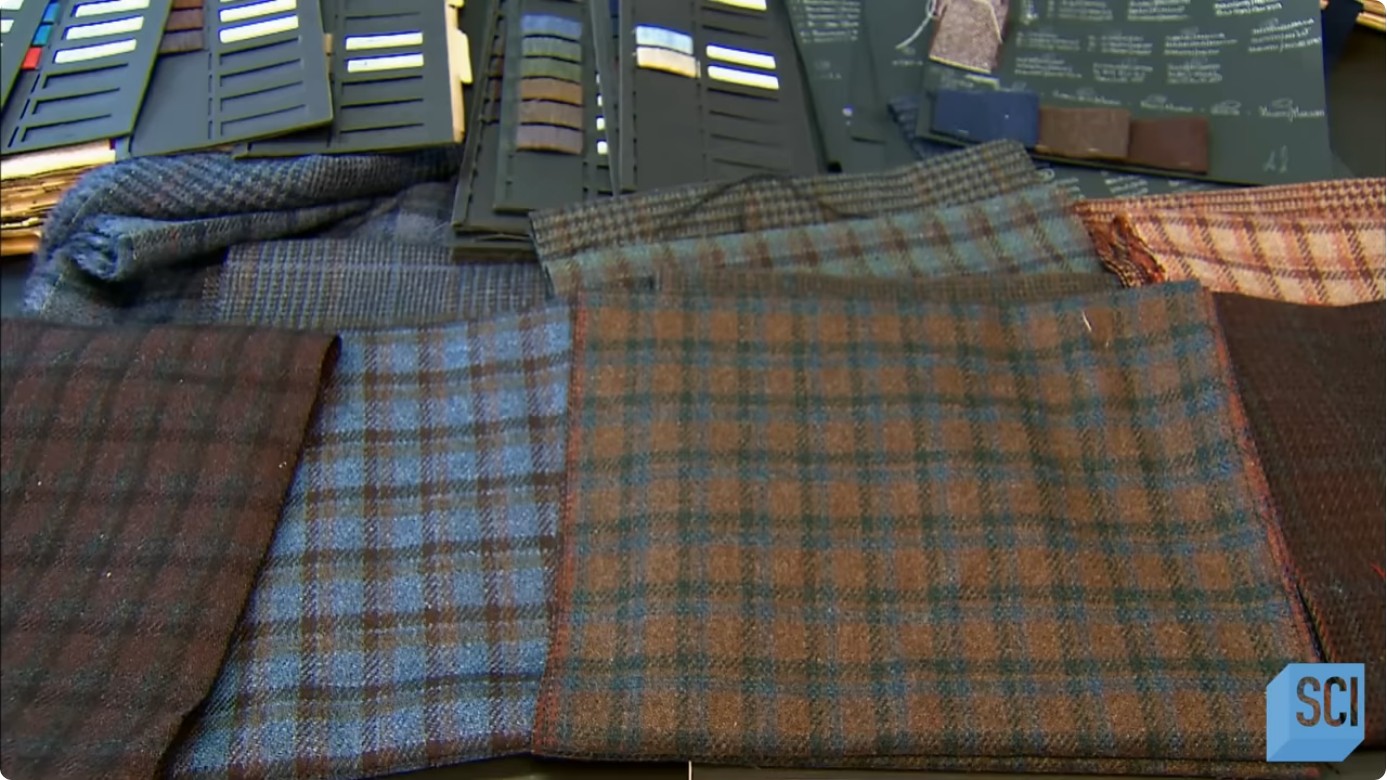
When sourcing cotton interlock, especially for wholesale or production, specific details on the spec sheet are non-negotiable.
For finding suppliers, start with established textile distributors that specialize in knits. Online platforms like Fabric.com or Mood Fabrics offer small cuts for sampling. For wholesale, trade shows like Texworld USA or direct relationships with mills in regions like Turkey, Portugal, or the U.S. Southeast are common. Always order a physical swatch before committing to a bolt. Touch and see the fabric in person.
Proper care maximizes the life of cotton interlock garments.
Is cotton interlock good for sensitive skin?
Yes, generally. 100% cotton is hypoallergenic and breathable. The smooth, non-ribbed surface is less likely to irritate than a textured rib knit. For infants or those with eczema, ensure the fabric is certified to OEKO-TEX Standard 100 to guarantee it’s free of harmful chemicals.
Can I use cotton interlock for a fitted dress or tailored pieces?
Its moderate stretch and excellent stability make it suitable for simpler fitted patterns, like a sheath dress or pencil skirt, where you want some comfort but not the dramatic stretch of a scuba or rib. It will hold darts and seams well. However, for a very form-fitting garment requiring 4-way stretch (like a bodycon dress), a spandex-blended knit would be a better choice.
What’s the difference between cotton interlock and French terry?
Both are double-knit constructions, but French terry has a looped, terry-cloth-like underside on one side and a smooth face. Interlock has two smooth, identical faces. French terry is more absorbent and casual (great for sweatshirts), while interlock is smoother and more refined.
Is it worth the extra cost over regular jersey?
It depends on your goal. If you need a t-shirt that doesn’t curl at the hem, feels substantial, and has a clean finish, yes. If you need a very lightweight, drapey, or stretchy fabric for a flowy top, standard jersey is more appropriate and cost-effective.


