Address
304 North Cardinal
St. Dorchester Center, MA 02124
Work Hours
Monday to Friday: 7AM - 7PM
Weekend: 10AM - 5PM
Address
304 North Cardinal
St. Dorchester Center, MA 02124
Work Hours
Monday to Friday: 7AM - 7PM
Weekend: 10AM - 5PM
When you think of French terry, the classic lightweight, soft jersey with its signature looped back might come to mind. But there’s a heavier, more robust sibling in the family: thick French terry fabric. This material trades the everyday comfort of a t-shirt for the cozy heft of a sweatshirt or the structured warmth of a light jacket. Understanding its specific characteristics—weight, drape, and performance—is key to knowing whether it’s the right choice for your project, whether you’re a small brand sourcing materials or a DIY enthusiast tackling a major sew.
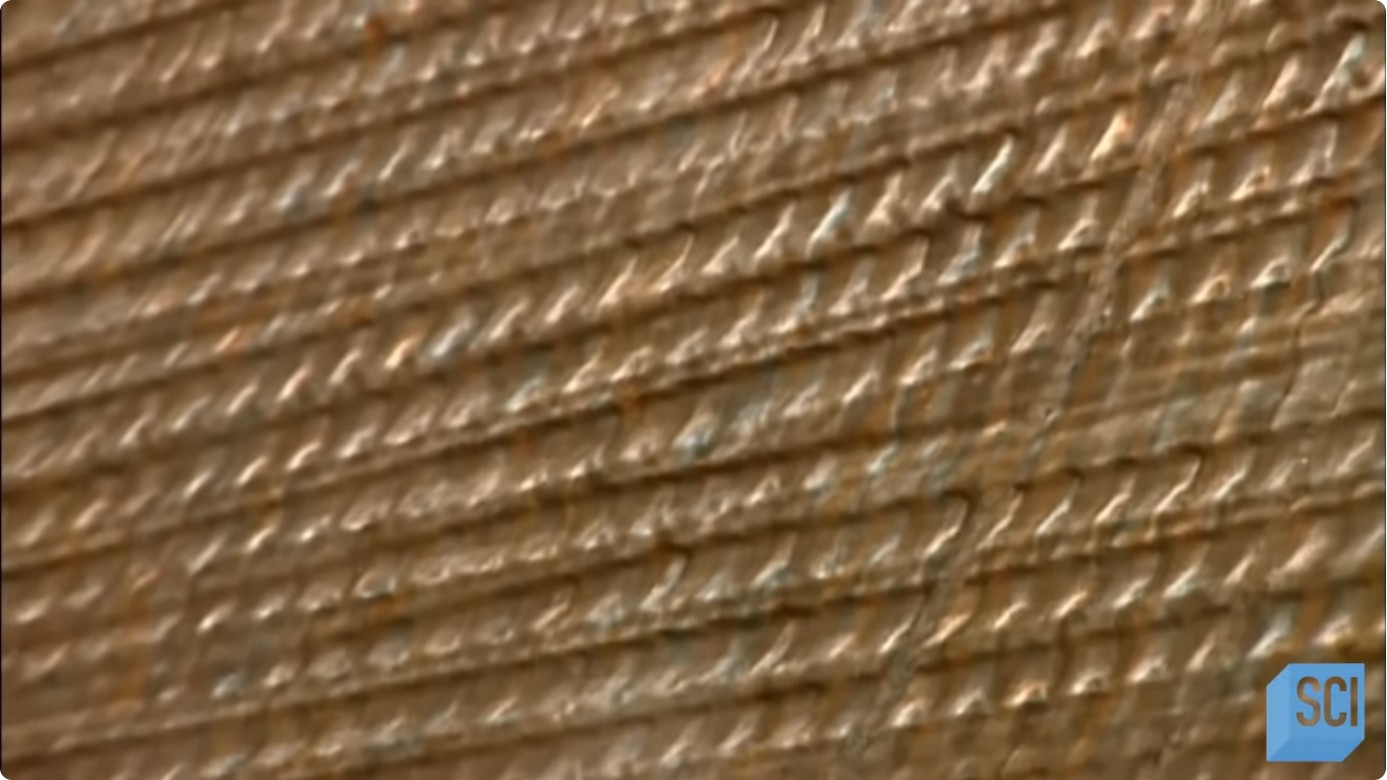
This guide cuts through the ambiguity of the term “thick” to give you a clear picture of what thick French terry actually is, how it differs from its standard counterpart, where to source it, and the critical trade-offs to consider before committing. We’ll move beyond generic descriptions to practical decision-making, helping you determine if this fabric’s unique blend of comfort and substance aligns with your apparel goals.
The apparel industry measures fabric weight in grams per square meter (gsm). Standard French terry typically ranges from 240gsm to 300gsm. Once you cross the 320gsm threshold, you enter the realm of what manufacturers and designers widely consider “thick” or “heavyweight” French terry. This isn’t just a minor increase; it fundamentally changes the fabric’s hand, structure, and potential applications.
Helpful tip: The Complete Guide to Terry Cloth Yardage: From Fabric Selection to Smart Sourcing
A 300gsm French terry will feel like a premium, mid-weight sweatshirt. A 400gsm version feels substantial, almost like a light blanket or a heavyweight performance layer. The looped pile on the backside remains, but the yarns themselves are thicker, and the fabric has less give and more inherent structure. This weight directly correlates with durability and warmth but inversely with breathability and drape.
| Weight Category | Typical GSM Range | Feel & Hand | Primary Use Case |
|---|---|---|---|
| Standard/Light | 240 – 300 gsm | Soft, drapey, breathable. Classic t-shirt or light hoodie feel. | Everyday basics, loungewear, layering pieces. |
| Thick/Heavyweight | 320 – 400+ gsm | Substantial, structured, warm. Minimal stretch, prominent loop back. | Cold-weather outerwear, structured sweatshirts, jackets, durable workwear. |
Sourcing thick French terry involves looking beyond generic “sweatshirt fleece.” You need to specify both the weight (gsm) and the looped-back construction. Most thick versions are still cotton-dominant for softness and absorbency, but the addition of synthetic fibers like polyester or rayon is common to manage cost, improve durability, and reduce shrinkage.
For wholesale sourcing, platforms like Fashiondex aggregate mills, but you’ll often need to contact mills directly for specific GSM and construction requirements. Always request a physical swatch book and a lab dip (a dyed sample) to verify color and hand, as digital representations are notoriously inaccurate for fabric weight and texture.
The choice to use thick French terry is a decision to prioritize warmth and structure over versatility and lightness. Here are its prime territories:
Scenario Example: A yoga brand developing a “post-practice wrap” might choose a 350gsm cotton/rayon French terry. The weight provides the cozy wrap feel, the rayon ensures a soft hand against the skin, and the looped back adds subtle texture and warmth without restricting movement during light stretches.
Thick French terry is not a universal upgrade. Its characteristics come with specific compromises that must be factored into design and production.
Before you order that 400gsm French terry, run through this quick verification list:
Is thick French terry the same as French terry fleece?
Not exactly. “French terry fleece” often refers to a fabric that is brushed on the back (creating a plush, fuzzy nap) instead of having looped piles. Thick French terry maintains the classic un-brushed looped back. The brushed version is typically warmer and softer but less textured and can pill more.
Can I use thick French terry for a summer garment?
It’s generally inadvisable. Its insulating properties and reduced breathability make it prone to overheating. For warm weather, stick to lightweight French terry (under 280gsm) or other knit constructions like single jersey.
How do I care for it to maximize lifespan?
Machine wash cold with like fabrics. Use a mild detergent—fabric softeners can coat the cotton loops and reduce absorbency over time. Tumble dry low. Removing from the dryer while still slightly damp and laying flat to finish drying can reduce wrinkles and pilling. For 100% cotton, expect some additional minimal shrinkage after the first few washes.
Thick French terry fabric earns its place through purposeful design. It’s not about being “better” than lighter versions, but about serving a different need: one that calls for substantial warmth, a structured feel, and a tactile, textured presence. By understanding its weight in GSM, sourcing it with precise specs, and respecting its limitations in your design, you can leverage its unique properties to create garments that feel as intentional as they are comfortable.
Also read: Bamboo Jersey Fabric: A Practical Guide to Properties, Uses, and Sourcing