Address
304 North Cardinal
St. Dorchester Center, MA 02124
Work Hours
Monday to Friday: 7AM - 7PM
Weekend: 10AM - 5PM
Address
304 North Cardinal
St. Dorchester Center, MA 02124
Work Hours
Monday to Friday: 7AM - 7PM
Weekend: 10AM - 5PM
If you’ve ever shopped for soft, breathable clothing, you’ve likely encountered bamboo jersey. It’s widely marketed as an eco-friendly miracle fabric—cool, silky, and sustainable. But the reality is more nuanced. Bamboo jersey is not a single, simple material; it’s a knit fabric construction made from fibers that originate from bamboo, but the journey from plant to garment involves significant processing that impacts its final properties, cost, and environmental footprint.
This guide cuts through the marketing to explain what bamboo jersey actually is, how it performs compared to other common knits, where it makes sense to use it, and what to consider when sourcing it. Whether you’re a small-brand owner, a sewing enthusiast, or just a curious consumer, understanding these details will help you make informed decisions.
First, a crucial clarification: you don’t knit directly from a bamboo stalk. Bamboo fibers are naturally short (typically 1-3 inches) and lack the strength and length needed for efficient, high-quality yarn spinning on modern machinery. Therefore, the vast majority of “bamboo fabric” on the market, including jersey, is made from bamboo viscose (also called bamboo rayon).
Also read: Jersey Knit Fabric: The Essential Guide for Designers, Buyers, and Sewists
The process involves breaking down bamboo pulp with chemical solvents (like sodium hydroxide and carbon disulfide) to create a viscous solution that is then extruded through spinnerets to form filaments. These filaments are spun into yarn. This is a regenerated cellulose process, similar to how rayon is made from wood pulp. The Federal Trade Commission (FTC) in the United States has clear guidelines requiring such fabrics to be labeled as “rayon from bamboo” or “bamboo viscose,” not simply “bamboo,” to avoid deceptive “greenwashing” claims. You can review the FTC’s enforcement policy statement on bamboo textiles here.
True, mechanically processed bamboo linen (where fibers are retted and combed) exists but is rare, expensive, and has a very different, often rougher, texture—unsuitable for the soft, drapey jersey knit most consumers seek. Therefore, when discussing “bamboo jersey,” we are almost always talking about a jersey knit constructed from bamboo viscose yarn, often blended with other fibers.
“Jersey” refers to the knit structure, not the fiber. It’s a single-knit fabric, smooth on one side and with a subtle purl texture on the other, known for its good drape and stretch. Bamboo viscose yarn takes exceptionally well to this knit structure, resulting in a fabric that is noticeably softer and more fluid than a standard cotton jersey.

Understanding bamboo jersey’s performance requires looking at its inherent characteristics from the viscose fiber and the knit construction. The properties are a direct result of this combination.
This is bamboo jersey’s primary selling point. The smooth, round cross-section of bamboo viscose filaments and their ability to be finely spun give the fabric a luxurious, silky hand that many find softer than even high-thread-count cotton. It has a beautiful drape, flowing softly against the skin. This makes it a popular choice for:
Bamboo viscose is hydrophilic, meaning it absorbs water well. It can absorb up to 40% of its weight in moisture without feeling damp, wicking sweat away from the skin more effectively than cotton. This contributes to a feeling of coolness and comfort in warm weather. However, its wicking speed is generally slower than that of engineered synthetic performance fabrics like polyester micromesh. Once saturated, its cooling effect diminishes, and it can feel clammy. Its thermoregulating properties are good but not superior to merino wool in cold conditions.
Here is the critical trade-off. The same chemical process that creates the soft bamboo viscose fiber also weakens its structural integrity compared to natural fibers like cotton or linen. Bamboo jersey is prone to pilling, especially with frequent abrasion (like from a backpack strap, seatbelt, or repeated washing). It also has less tensile strength when wet and can be more susceptible to stretching out of shape.
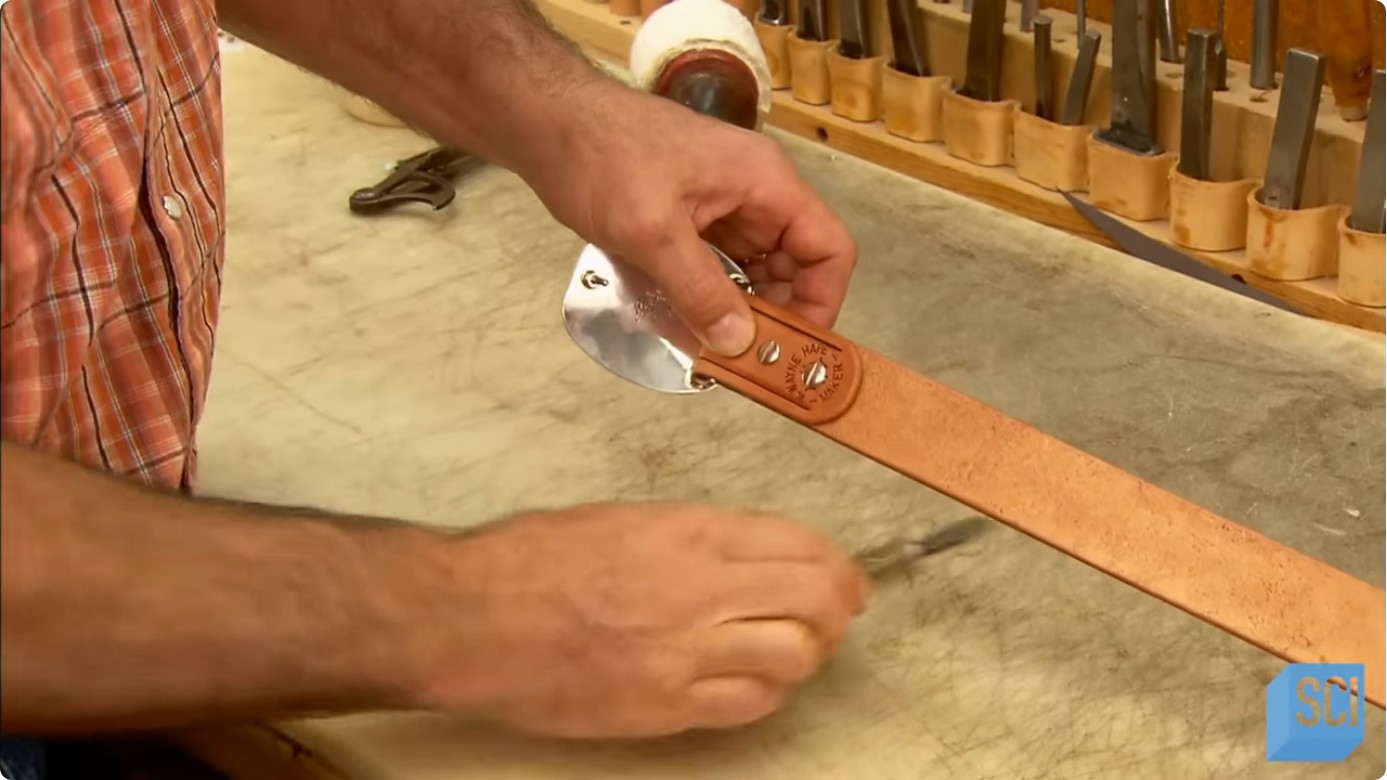
Proper care is non-negotiable to maximize the life of bamboo jersey garments:
A common marketing claim is that bamboo is naturally antimicrobial. While raw bamboo contains a compound called “bamboo kun,” the viscose manufacturing process involves extensive chemical treatment and purification that effectively removes this property. Any residual antimicrobial effect in finished bamboo viscose fabric is minimal and not reliably comparable to treatments applied to synthetic fabrics or the natural properties of merino wool. Do not choose bamboo jersey primarily for odor control.
Choosing the right fabric often comes down to comparing specific needs against material characteristics. Here’s how bamboo jersey typically stacks up against two very common knit fabrics.
More advice: Terry Cloth Knit: The Soft, Stretchy Fabric You Might Be Overlooking
| Property | Bamboo Viscose Jersey | 100% Cotton Jersey | Polyester Spandex Jersey |
|---|---|---|---|
| Hand Feel / Drape | Very soft, silky, fluid drape | Soft (if combed), stable, can be crisp | Smooth but often slick, less natural drape |
| Moisture Wicking | Good absorbency, slower wick speed | Moderate absorbency, holds moisture | Excellent, fast wicking (moisture moves to surface) |
| Durability / Pilling | Low to moderate. High tendency to pill. | High (especially long-staple), resists pilling well | Very high, very resistant to pilling |
| Shrinkage | Moderate to high. Pre-shrinking is essential. | Moderate. Pre-shrunk cotton is standard. | Very low |
| Environmental Note | Chemical-intensive production. Bamboo crop is fast-growing but often mono-cropped with pesticide use. | High water/pesticide use for conventional. Organic options available. | Petroleum-based. Recycled options (rPET) exist. |
Pure bamboo viscose jersey is rarely the best choice for performance or longevity. To mitigate its weaknesses, it is almost always blended with other fibers. The most common and practical blends are:
When sourcing, always check the exact blend percentage. A 95% bamboo / 5% spandex knit will behave very differently from a 50% bamboo / 50% cotton jersey.
Bamboo jersey is not a universal fabric. Its best uses leverage its softness and drape while avoiding high-abrasion scenarios.
Whether buying fabric by the yard or finished garments, a discerning approach is required.
When purchasing bamboo jersey fabric from a mill or distributor, ask specific questions:
Check the label meticulously. Look for “rayon from bamboo” or “bamboo viscose.” Be wary of simply “bamboo.” Note the blend percentage. Read care labels—if they say “machine wash cold, tumble dry low,” that’s a good sign the manufacturer understands the fabric’s needs. A “hand wash only” label might indicate a very delicate, high-pilling-prone construction.
Bamboo jersey is a specialized fabric with a compelling feel but significant performance caveats. It is not the eco-panacea it is sometimes advertised as, due to its chemical processing. Its strength lies in providing a soft, drapey, and absorbent knit for low-stress, comfort-focused applications.
Your decision should be based on a clear hierarchy of needs:
Before committing to bamboo jersey for your next project or purchase, pause and consider these points. Your answers will clarify whether it’s the right material.
By moving beyond the soft feel and considering the full lifecycle—from fiber processing to garment care—you can determine if bamboo jersey is a suitable choice or if another knit fabric would better meet your practical needs.
More advice: Cotton Spandex Fabric: A Practical Guide to Composition, Properties, and Sourcing