Address
304 North Cardinal
St. Dorchester Center, MA 02124
Work Hours
Monday to Friday: 7AM - 7PM
Weekend: 10AM - 5PM
Address
304 North Cardinal
St. Dorchester Center, MA 02124
Work Hours
Monday to Friday: 7AM - 7PM
Weekend: 10AM - 5PM
When you think of terry cloth, the image that usually comes to mind is a thick, woven towel with its signature looped pile. That’s woven terry, the undisputed king of bath textiles. But there’s a close relative operating in a different lane entirely: terry cloth knit. This fabric combines the familiar, cozy feel of terry with the fundamental structure of a knit, resulting in a material that stretches, drapes, and behaves in ways woven terry simply cannot. Understanding this distinction is crucial for designers, product developers, and anyone specifying fabrics for apparel and accessories where comfort and mobility are key.
This guide cuts through the confusion. We’ll explore what makes terry cloth knit unique, where it excels (and where it fails), how to source it intelligently, and the critical questions you need to ask before committing to it for your next project. The goal is to give you a clear mental model for deciding if this fabric is the right tool for the job.
Think of this as your reference point. Terry cloth knit is a weft-knit fabric (like a t-shirt) where extra yarns are intentionally pulled through to form loops on one or both sides. This knitted loop structure is its defining feature, separating it fundamentally from the interlaced warp and weft of woven terry.
Also read: Does Seersucker Shrink? The Care Guide Every Wearer Needs
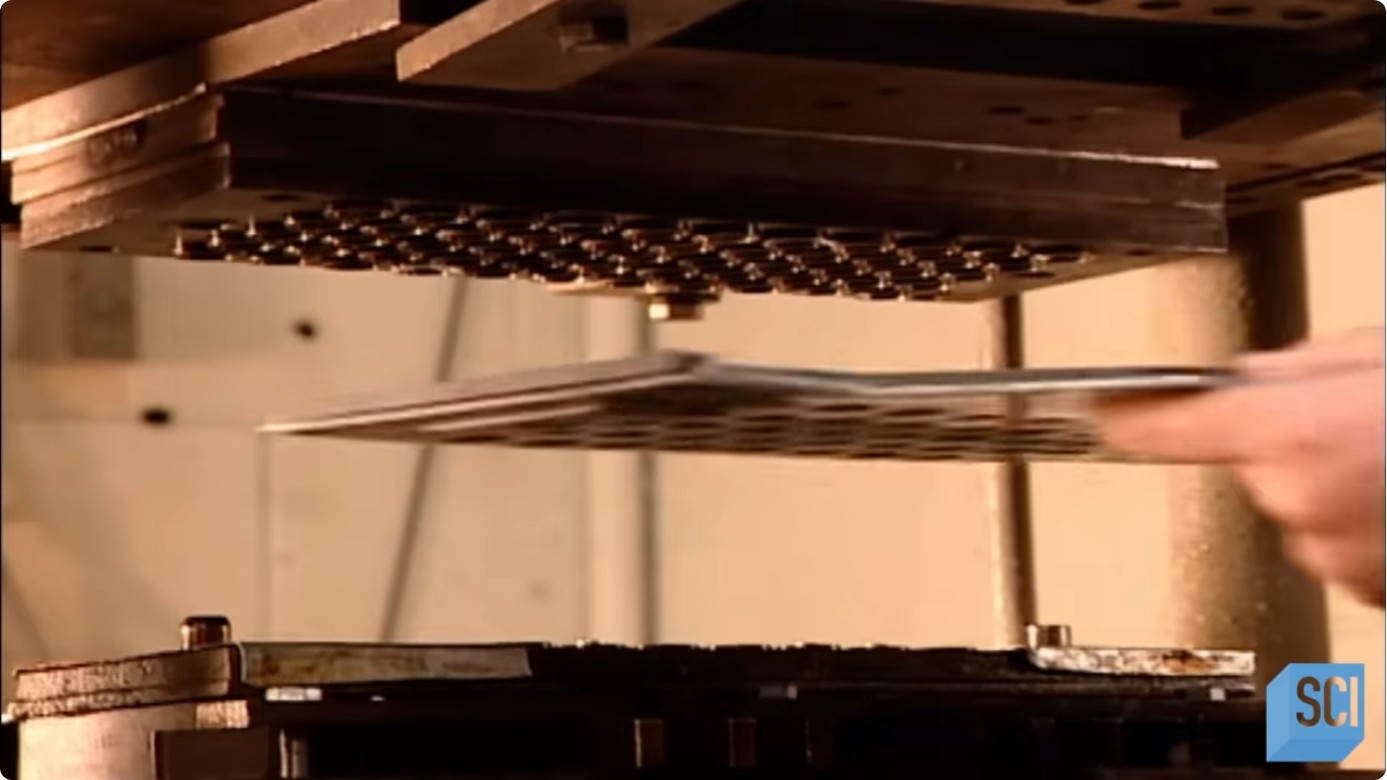
The most important concept to grasp is that “terry cloth” describes a fabric finish (loops), not a specific weave or knit structure. You can have woven terry and knitted terry. The construction method dictates almost every other property.
Woven Terry is made on a dobby or jacquard loom. The loops are formed by an extra yarn (the “terry” or “pile” yarn) that is inserted at regular intervals and held in place by the underlying woven grid. This creates a very stable, absorbent, and heavy fabric that does not stretch significantly across the grain (though it may have some give on the bias). Its loops are anchored at both ends within the woven structure, making them very durable.
Terry Cloth Knit is made on a circular or flat knitting machine. Here, the entire fabric is a knit loop structure. The terry loops are created by a special technique—often using a feeder yarn that is tucked or held by the needles and then released to form a long loop on the face or back of the fabric. Because the base is a knit, the entire fabric has natural elasticity. The loops themselves are anchored only at their base into the knit structure, which affects their stability and resistance to pulling off.
If you pull a loop on a woven terry towel, it’s held tightly at both ends by the woven grid and is difficult to extract. If you pull a loop on a terry knit robe, it has more give and, if stressed enough, can eventually pop loose from its knit anchor point. This is a key durability consideration.
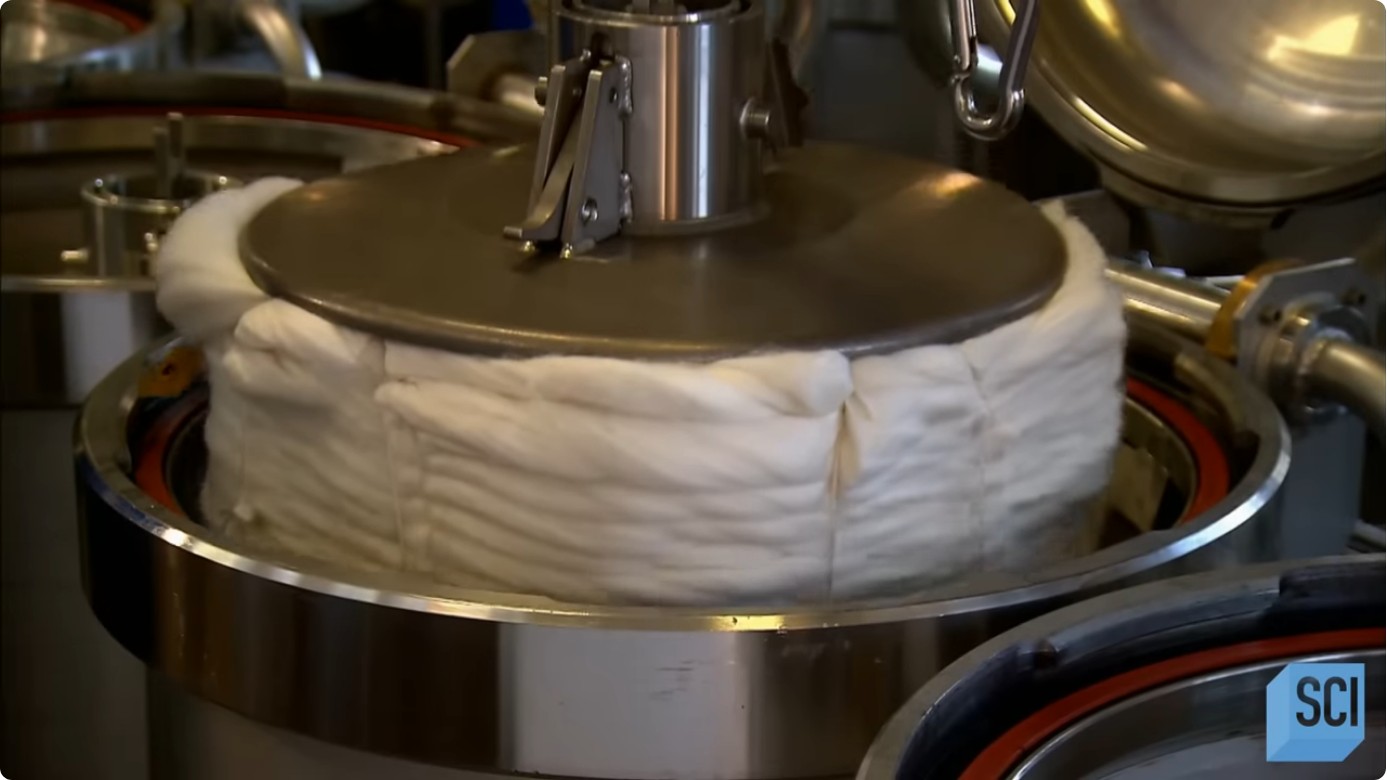
Choosing terry cloth knit over woven terry isn’t about which is “better,” but which aligns with your product’s performance requirements. The following comparison highlights the practical implications of that knit construction.
| Property | Terry Cloth Knit | Woven Terry (Traditional) | Implication for Your Product |
|---|---|---|---|
| Stretch & Recovery | High 2-way or 4-way stretch, good recovery. | Minimal stretch, primarily on bias. | Knit: Ideal for fitted robes, yoga lounge sets, baby clothes needing give. Woven: Better for structured towels, flat-lying spa wraps. |
| Drape & Hand | Softer, more fluid drape; less bulky. | Stiffer, more structured; bulky hand. | Knit: Feels more like a cozy jersey, comfortable against skin in motion. Woven: Holds its shape, feels substantial and “terry” in the classic sense. |
| Absorbency | Very good, but generally lower than dense woven terry. | Exceptional, especially in heavier weights. | Knit: Sufficient for post-shower robes, sweat-wiping headbands. Woven: Necessary for full-body drying towels. |
| Loop Stability | Loops are more susceptible to pulling and snagging. | Loops are very secure, hard to pull. | Critical Caveat: For high-abrasion applications (like a towel used on rough surfaces), woven is superior. Knit terry is best for gentle, personal use. |
| Drying Time | Faster due to lighter weight and open knit structure. | Slower, especially in thick, heavyweight versions. | Knit: Advantage for travel towels, quick-dry spa robes. Woven: The heft feels premium but comes at a drying cost. |
| Shrinkage | Can be significant if not pre-shrunk; knit structure relaxes. | Shrinks, but typically in predictable length/width directions. | Always: Order pre-shrunk (sanforized) or pre-washed fabric and test wash your final product. Knit shrinkage can distort garment fit. |
| Weight (GSM) | Commonly 200-350 GSM. Can be lighter. | Commonly 300-600+ GSM for towels. | Knit: Lighter weights feel nimble. Woven: Heavier weights feel indulgent and highly absorbent. |
This table underscores that the choice is application-driven. A lightweight, stretchy terry knit is perfect for a baby’s swaddle blanket (soft, movable, gentle skin contact), while a heavyweight, stable woven terry is non-negotiable for a bath sheet.
Don’t make the mistake of thinking terry knit is a “lesser” terry. It’s a specialized tool. Here are its sweet spots:
Where It Typically Doesn’t Work: Heavy-duty beach towels, high-absorbency gym towels, bath mats, or any application where the fabric will be subjected to frequent, rigorous abrasion or heavy, wet loads that stress the loops.
Finding the right terry cloth knit requires asking specific questions. Generic “terry fabric” inquiries will get you woven samples. Use this checklist when contacting suppliers or mills, especially for wholesale.
Also read: Is Ultra-Soft Sherpa Fleece Organic? A Practical Fabric Guide
For finding suppliers, start with domestic textile converters and commission merchants who specialize in knits. Trade shows like Première Vision or Techtextil are invaluable for physical inspection. Online sourcing platforms can be used, but require extreme diligence—always order physical samples.
Terry cloth knit, especially cotton-rich versions, requires thoughtful care to maintain its plushness and prevent damage to those loops.
The key is gentleness. This is a premium, tactile fabric; treat it as such to ensure it stays soft and intact for years.
Here are the lingering questions that often arise when evaluating terry cloth knit.
Q: Can I use terry cloth knit for a towel that needs to be highly absorbent?
A: It can be absorbent, but it will almost never match a high-GSM, densely looped woven terry. If absorbency is the #1 priority (e.g., for a beach towel), woven is the answer. If absorbency is important but secondary to packability and stretch (e.g., a gym sweat towel), a dense, high-GSM terry knit (350+ GSM) can be a viable, lighter-weight alternative.
Q: How do I prevent the loops from pulling off in my garment?
A: This is a design and fabric selection issue. First, choose a fabric with a secure loop anchor—often a tighter, finer knit base. Second, design to minimize stress points: avoid applying hard pulls on seams that have terry loops right at the edge. Use stable, non-stretch seam types (like a flatlock or coverstitch) that don’t put excessive tension on the fabric edge. Third, educate the consumer on gentle care.
Q: Is terry cloth knit suitable for dyeing?
A: Yes, but with caution. It’s typically piece-dyed. The loop structure can trap air, making dye uptake uneven if the dyeing process isn’t optimized. Always work with a dyer experienced in terry fabrics. Expect slightly different shades between the looped (more absorbent) and smooth sides.
Q: What’s the environmental impact compared to woven terry?
A: The impact is primarily determined by the fiber, not the knit vs. weave. Organic cotton terry knit (GOTS certified) can be very sustainable. However, the knitting process itself can be more energy-intensive than weaving for very large volumes. The bigger environmental factor is often the use-phase: a lighter, faster-drying terry knit may require less energy to wash and dry over its lifetime than a heavy, slow-drying woven terry.
Q: How do I communicate the benefits of terry knit to customers who only know “terry cloth” as towel material?
A: Use comparative language. “A robe that moves with you, not against you.” “The softness of terry, with the comfort of your favorite knit shirt.” “Lightweight and quick-drying, perfect for travel.” Focus on the experience—the stretch, the drape, the less-bulky feel—rather than getting bogged down in construction terms.
More advice: Organic Cotton Fleece: A Practical Guide to Properties, Sourcing, and Applications


