Address
304 North Cardinal
St. Dorchester Center, MA 02124
Work Hours
Monday to Friday: 7AM - 7PM
Weekend: 10AM - 5PM
Address
304 North Cardinal
St. Dorchester Center, MA 02124
Work Hours
Monday to Friday: 7AM - 7PM
Weekend: 10AM - 5PM
When you think of terry cloth, a fluffy bath towel likely comes to mind. But this fabric’s story and applications run much deeper, touching everything from high-performance sportswear to luxury robes. Understanding terry cloth material—its true construction, the critical differences between its main types, and its inherent trade-offs—is essential for designers, retailers, and anyone sourcing textiles for a product. This guide cuts through the common assumption that all terry is created equal, providing the technical and practical knowledge needed to select the right version for your specific project.
We’ll move beyond the bathhouse to explore why a tennis player’s headband and a baby’s burp cloth might use fundamentally different terry cloths. You’ll learn to decode specifications like GSM and loop stability, evaluate sustainability claims, and ask the right questions of suppliers. Whether you’re developing a new apparel line or simply want to make a more informed purchase, this article clarifies the material’s capabilities and its limitations.
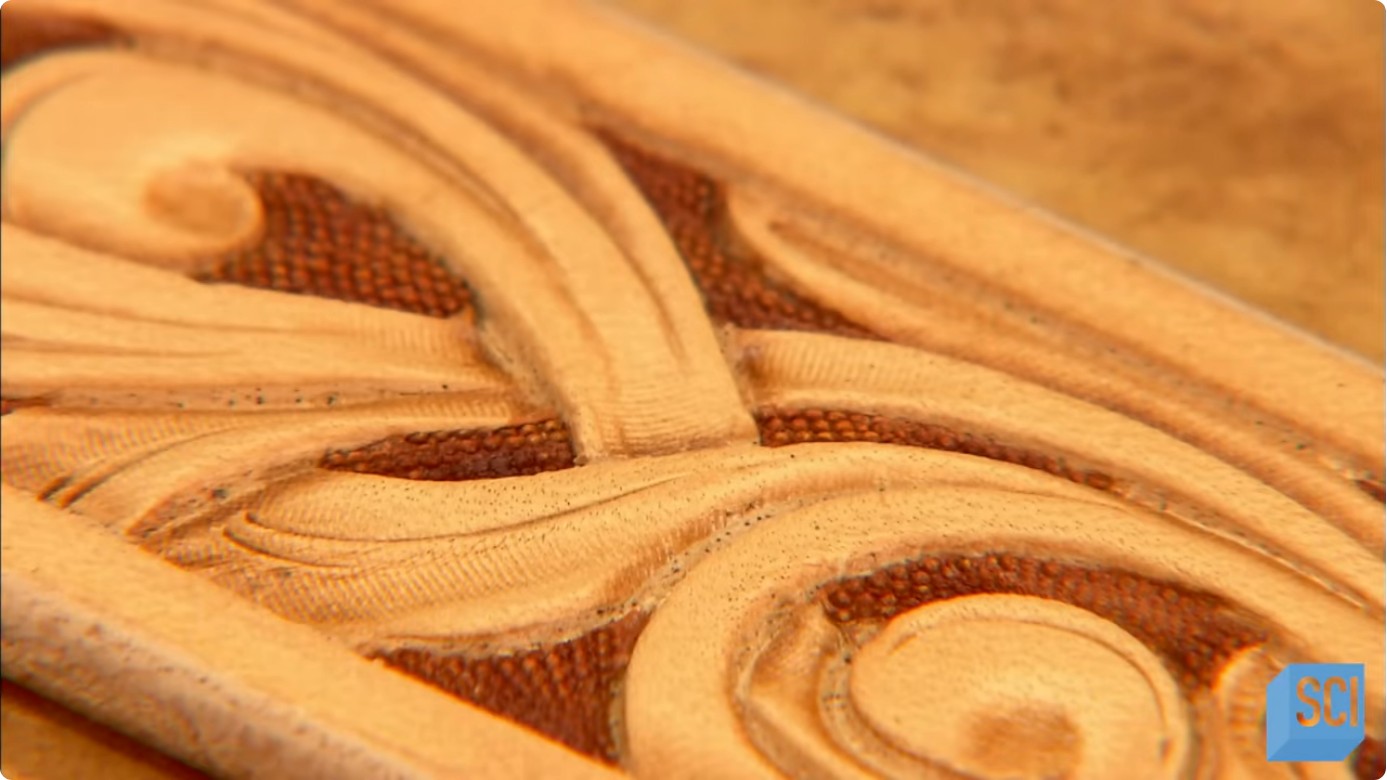
The defining characteristic of terry cloth is its loop-pile construction. It’s not a fiber type—you can have cotton terry, bamboo terry, or synthetic terry—but a specific weaving or knitting technique where extra yarns are left uncut on the fabric’s surface, forming small loops. These loops are the source of terry’s legendary absorbency and soft texture. A common misconception is that any napped or fuzzy fabric is terry; true terry must have these distinct, uncut loops. Fabrics where the loops are cut (creating a soft, plush surface) are called velour or French terry (more on that below).
This loop structure is key to its function. The loops increase the fabric’s surface area dramatically, acting like millions of tiny capillaries to wick and hold moisture. This is why it excels at towels and robes. However, this same structure creates bulk and can reduce durability under high abrasion if the loops are poorly anchored. The material’s performance is a direct result of its construction, not just the fiber it’s made from.
Before diving deeper, here’s a snapshot of what defines terry cloth material in practical terms:
This is the most critical distinction in the terry world. The manufacturing method dictates the fabric’s drape, stability, and ideal use case. Choosing the wrong type for your application is a common and costly sourcing error.
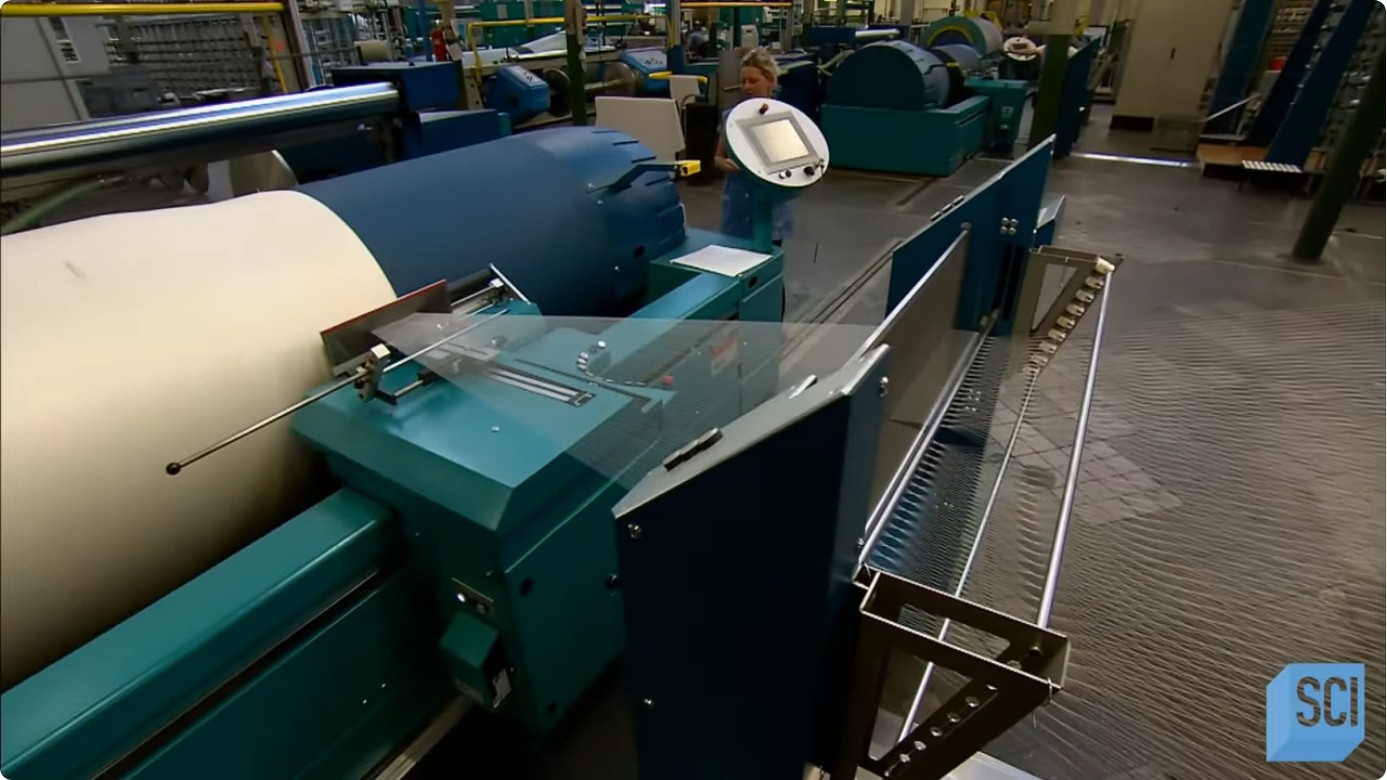
This is the traditional, heavyweight fabric used for bath towels, beach towels, and some robes. It’s produced on a jacquard or specially modified loom where the pile-forming weft yarns are inserted over groups of warp yarns to create the loops.
This is a knitted fabric, typically produced on a circular knitting machine. It features loops on one side (the face) and a smooth, flat reverse side. It’s the fabric of choice for casual apparel.
While 100% cotton terry is the gold standard for absorbency and natural softness, blends and alternative fibers are engineered for specific performance goals. The fiber choice directly impacts cost, durability, feel, and care requirements.
| Fiber Composition | Key Characteristics | Best For | Trade-offs |
|---|---|---|---|
| 100% Cotton | Superior absorbency, natural softness that improves with wash, biodegradable. | Premium towels, baby products, luxury robes, sensitive skin applications. | Higher cost, prone to significant shrinkage if not pre-shrunk, can take longer to dry. |
| Cotton/Polyester Blend (e.g., 80/20, 60/40) |
Reduced cost, faster drying, increased durability, less shrinkage. | Commercial gym towels, hotel towels, budget-friendly loungewear, high-use items. | Lower absorbency, can feel less soft, synthetics may melt under high heat, less eco-friendly. |
| Bamboo/Viscose | Incredibly soft hand, natural antimicrobial properties, good absorbency. | Eco-conscious luxury towels, baby textiles, sensitive skin apparel. | Weaker when wet, can be more expensive, requires gentle care, may have significant shrinkage. |
| Microfiber Polyester | Extremely lightweight, dries incredibly fast, very durable loops. | Travel towels, sports towels, cleaning cloths, performance applications. | Poor absorbency for thick liquids, feels synthetic, less comfortable against skin for apparel, plastic-based. |
When evaluating a supplier, always ask for the precise composition. A label saying “cotton” could mean anything from 51% to 100%. For sustainable sourcing, look for certifications from bodies like Textile Exchange (for organic cotton, Tencel™) or Greenpeace‘s Detox standards for chemical management. Be wary of vague “eco-friendly” claims without certification backing.
Ordering terry cloth wholesale requires looking beyond price per yard or kilogram. The quality variance is immense, and a cheap price often means poor loop stability, uneven dyeing, or inconsistent weight. Use this checklist when reviewing samples or supplier specs.
For wholesale quantities, always order a lab dip (a small, dyed sample made to your exact color standard) and a production sample from the actual bolt or cone that will be shipped. Never rely solely on a vendor’s generic stock sample.
Helpful tip: What is Lycra Fabric? The Science of Stretch in Modern Apparel
How you care for terry cloth dramatically affects its lifespan, absorbency, and softness. The wrong care can ruin even the highest-quality fabric.
For apparel, these care instructions become part of your product’s label and customer communication. Clear care labels are non-negotiable for quality assurance.
Selecting the right terry cloth material comes down to answering a few key questions about your end use. There is no single “best” terry—only the best one for your specific need.
Finally, remember that terry cloth’s personality is in its loops. A well-constructed loop is resilient and soft. A poorly anchored one leads to pilling, pulling, and a prematurely worn look. Always request and rigorously test samples under simulated end-use conditions before committing to a large wholesale order.
Is French terry the same as regular terry cloth?
No. “French terry” almost always refers to knit terry with loops on one side and a smooth back. “Terry cloth” or “terry towel” typically refers to the heavier, woven, double-loop fabric. The terms are not interchangeable.
Can terry cloth be used for regular clothing like t-shirts?
It’s uncommon for t-shirts due to bulk. Knit terry (French terry) is used for casual tops, hoodies, and pants where its texture and slight stretch are desirable. It’s not suitable for tailored or tight-fitting garments.
Why does my new cotton towel feel stiff and not very absorbent?
New cotton terry often has a sizing or finishing agent on it. It needs to be washed 3-5 times (without fabric softener) to reach its full absorbency and softness potential. The loops will also become more plush with use and washing.
What GSM is best for a bath towel?
For a premium, at-home towel, look for 500-700 GSM. For a lighter, quicker-drying towel (like for a gym or beach), 300-450 GSM is sufficient. Hotel/commercial towels often fall in the 400-500 GSM range for a balance of durability and feel.


