Address
304 North Cardinal
St. Dorchester Center, MA 02124
Work Hours
Monday to Friday: 7AM - 7PM
Weekend: 10AM - 5PM
Address
304 North Cardinal
St. Dorchester Center, MA 02124
Work Hours
Monday to Friday: 7AM - 7PM
Weekend: 10AM - 5PM
Creating a pair of wide-leg pants that flow with elegance rather than collapsing into a shapeless mass is a masterclass in textile engineering. The pattern is not merely a set of instructions; it is an architectural blueprint that must be calibrated for the specific physical laws of the chosen fabric. A pattern drafted for a structured wool crepe will fail spectacularly in a fluid silk charmeuse, and vice versa. The gap between a pattern that works and one that doesn’t often lies in the nuanced understanding of how fabric properties—drape, weight, recovery, and stiffness—interact with pattern geometry, grainline, and seam engineering. This guide moves beyond basic slopers to explore the critical decision points where fabric science meets pattern drafting for the iconic wide-leg silhouette.
For designers, home sewers, and small brand owners, this relationship is the primary determinant of fit, comfort, and perceived quality. A poorly matched fabric and pattern combination results in pants that gap at the waist, drag on the floor, or lose their intended shape after a single wear. Success requires a feedback loop: choose your fabric first, then adjust your pattern accordingly, or select a pattern specifically engineered for your fabric’s behavior. This article dissects that process, providing a framework for making intentional choices that translate into wearable art.
The first step is moving beyond vague terms like “flowy” or “stiff” to a precise vocabulary of textile behavior. Each property demands a compensatory adjustment in the pattern.
Helpful tip: Cotton Poplin Fabric: A Comprehensive Guide to Weave, Properties, and Applications
Drape is how a fabric falls under its own weight, governed by its flexibility and density. Weight is the areal density, typically measured in grams per square meter (GSM) or ounces per yard. These two factors are inseparable in practice.
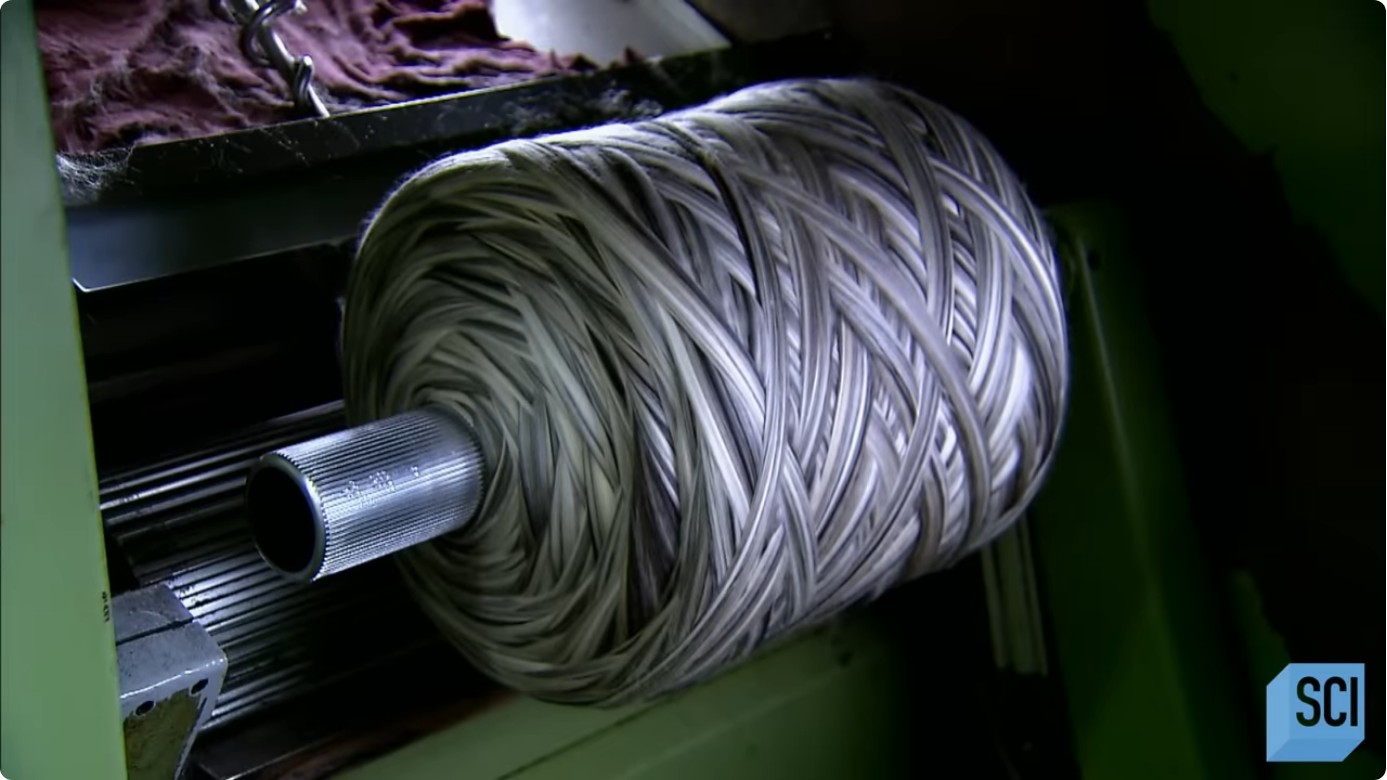
Recovery is a fabric’s ability to return to its original shape after stretching. Stability is its resistance to distortion during wear and laundering. Synthetic blends like polyester or nylon with spandex/Lycra® offer high recovery, making them ideal for travel pants or active wear. A pattern for a recovery fabric can be cut closer to the body at the waist and hip because the fabric will spring back, maintaining the intended wide leg volume without sagging. In contrast, 100% natural fibers like pure linen or cotton canvas have poor recovery and will stretch permanently at stress points (knees, seat). The pattern must include extra wearing ease in these high-stress zones, and the construction must include techniques like strategic bar tacks or reinforced seams to manage distortion.
For wide-leg pants, the straight grain (parallel to the selvage) is non-negotiable for the main leg panels. This ensures the pants hang vertically and symmetrically. A pattern piece cut on the bias (45 degrees) will create a beautiful, fluid drape but will also stretch and distort significantly over time, causing the legs to twist and the hem to become uneven. The exception is for specific design details like side panels or yokes where a controlled bias is used decoratively. Always verify your pattern’s grainline arrow is perfectly parallel to the selvage when placing on fabric. Textile industry associations provide glossaries and standards for fabric identification that can help confirm fabric structure before cutting.
This is the core translation layer. Below is a practical matrix linking common fabric categories to the most critical pattern adjustments. Think of this as a pre-cut checklist.
| Fabric Category | Typical Examples | Key Pattern Adjustment | Trade-off & Caveat |
|---|---|---|---|
| Fluid & Lightweight | Silk Charmeuse, Rayon Challis, Fine Polyester | 1. Reduce crotch depth by 0.5-1″. 2. Add gradual flare from mid-thigh down. 3. Deep hem (2.5-3″). |
Prone to “puddling” if crotch is too deep. Requires precise, sharp pressing. Seams can pucker if not stabilized. |
| Structured & Mid-Weight | Wool Crepe, Tencel™ Twill, Structured Cotton | 1. Standard ease at waist/hip. 2. Flare can begin at hip. 3. Standard hem (1.5-2″). |
May feel slightly less “dramatic” in fall but holds shape impeccably. Can be warmer. |
| Heavy & Architectural | Canvas, Heavyweight Denim, Melton | 1. Add 0.5-1″ ease at thigh & seat. 2. Very wide leg opening (minimum 24″). 3. Heavy, wide hem (3-4″). |
Can be bulky at the waistband. Requires heavy-duty interfacing and hardware. Less comfortable in warm climates. |
| Recovery Blend | Poly-Spandex weave, Nylon with Lycra® | 1. Cut closer to body at waist/hip. 2. Minimal crotch depth. 3> Hem can be narrower if weight allows. |
Can feel compressive if fit is too tight. Sustainability concerns with some synthetics; seek recycled content certifications. |
Pattern instructions are generic. Construction must be bespoke to the material.
The final piece of the puzzle is acquiring the right materials.
Also read: The Complete Guide to Cotton Terry Cloth: From Fiber to Your Bathroom
Look beyond big-box companies. Independent designers on platforms like Etsy often create patterns specifically for certain fabric types. Search using combined terms: “wide leg pants pattern for drapey fabric” or “wide leg trousers pattern for wool.” Study the pattern’s envelope or listing—does it specify recommended fabrics? A pattern that lists “rayon, silk, lightweight wool” is a drapey pattern. One that lists “denim, canvas, wool” is for stable fabrics. This is your first clue.
If you are producing small batches, buying fabric by the yard from a wholesale distributor is key. Do not rely on the descriptions “medium weight” or “good drape.” Request a fabric swatch. Feel it, drape it over your hand, and observe how it falls. Check the GSM if listed. For wide-leg pants, you are committing to a large volume of fabric. A misjudgment on drape or weight is costly. Reputable wholesale distributors will provide detailed specifications, including fiber content, weave, and often GSM. When in doubt, buy one yard to test the pattern fit before committing to the entire bolt.
Even with the best research, specific failure points are common with wide-leg patterns.
Run this mental checklist once your fabric and pattern are selected:
The synergy between pattern and fabric is what transforms a generic pant into a garment that moves with the wearer and commands attention. By treating fabric as an active partner in design—with its own set of rules and demands—you move from following instructions to engineering a superior, intentional piece of clothing. The wide-leg silhouette, in particular, is a powerful test of this partnership; it magnifies both the triumphs and the failures of your textile choices.
More advice: Polyester Lycra Spandex: A Practical Guide to the Fabric That Powers Modern Apparel


