Address
304 North Cardinal
St. Dorchester Center, MA 02124
Work Hours
Monday to Friday: 7AM - 7PM
Weekend: 10AM - 5PM
Address
304 North Cardinal
St. Dorchester Center, MA 02124
Work Hours
Monday to Friday: 7AM - 7PM
Weekend: 10AM - 5PM
If you’ve ever felt a fabric that looks permanently puckered yet feels remarkably cool, you’ve encountered seer sucker. This isn’t a defect—it’s the defining characteristic. Originating from the Hindi word sirsakar (meaning “milk and sugar,” referencing the smooth and rough texture contrast), seer sucker is a plain-weave fabric where some warp or filling yarns are intentionally slack during weaving. This creates a permanent, tiny raised stripe or check pattern of wrinkles. The result is a textile that doesn’t cling, ironing is largely unnecessary, and it offers exceptional airflow, making it a timeless solution for warm-weather dressing and functional workwear.
Understanding seer sucker means looking beyond its iconic texture. Its performance is directly tied to how it’s made and what it’s made from. While traditionally 100% cotton, modern versions often incorporate synthetics to enhance specific traits. This guide will break down the mechanics, properties, and practical applications of seer sucker, helping you decide when it’s the right choice and what to watch for when sourcing it.
The signature texture isn’t a post-weave treatment; it’s engineered into the fabric’s structure. There are two primary methods:
You may also like: Stripe Fabric Pattern: A Technical Guide to Types, Construction, and Sourcing
In this traditional process, certain yarns (either warp—lengthwise—or filling—crosswise) are fed into the loom with less tension. After weaving and the removal of tension, these loose yarns spring back, pulling the tighter yarns into a permanent, three-dimensional puckered surface. This creates either a striped or checked pattern. The size and frequency of the puckers depend on the yarn count and the specific loom tension settings.
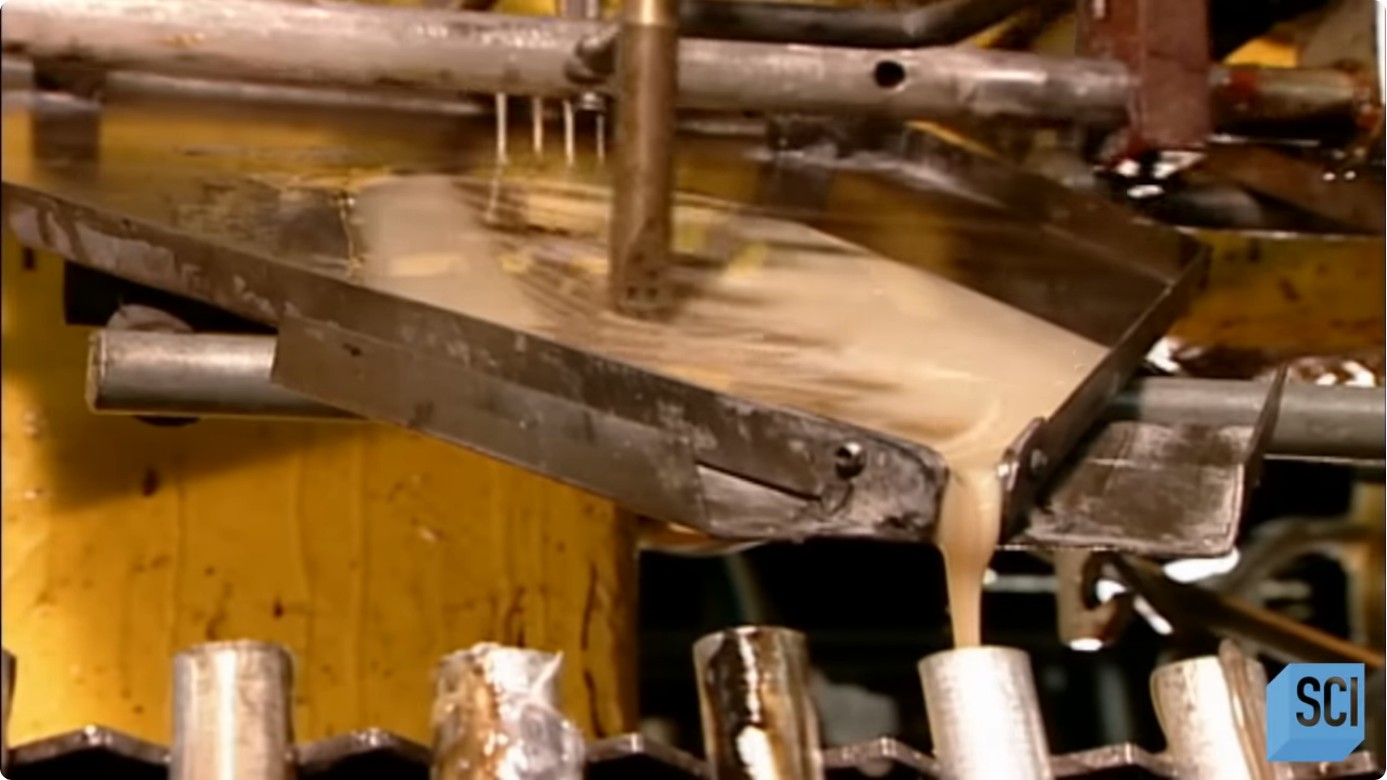
Some manufacturers achieve a similar puckered effect by applying a caustic soda (sodium hydroxide) solution to a tightly woven cotton fabric. The chemical shrinks the treated yarns more than the untreated ones, creating puckering. While often less expensive, this method can produce a stiffer, less breathable hand feel and may not be as durable through repeated laundering as authentically woven seer sucker.
Key Takeaway: For the best combination of softness, breathability, and lasting texture, seek out slack-tension woven seer sucker, especially from mills with a history in the fabric.
The construction translates directly into a unique set of performance characteristics. These are not marketing terms but measurable outcomes of the fabric’s structure.
| Property | How It Manifests | Primary Cause | Considerations |
|---|---|---|---|
| Breathability & Cooling | Excellent air circulation; skin doesn’t stick to fabric. | 3D puckered surface creates micro-channels; minimal contact with skin. | Unmatched for heat. Performance is inherent, not a coating that can wear off. |
| Wrinkle Resistance | Looks “lived-in” straight out of the dryer or suitcase; no ironing needed. | The texture is permanent and pre-wrinkled. New creases blend in. | Does not mean “wrinkle-free.” Severe crushing can still leave marks, but they are less noticeable. |
| Drape & Body | Lighter, more fluid drape than flat-woven fabrics of the same weight; moderate stiffness. | Puckering disrupts the fabric’s ability to lay completely flat. | Can feel slightly “crunchy” in stiff weaves. Softer yarns yield a better hand. |
| Moisture Management | Good wicking; dries quickly. | Airflow through puckers accelerates evaporation. | Performance is good but not on par with engineered synthetic performance fabrics. |
Seer sucker’s niche is defined by its comfort in heat and its casual, unpretentious aesthetic.
While 100% cotton seer sucker is the traditional benchmark, blends are common and serve specific purposes. The trade-offs are crucial for sourcing decisions.
Helpful tip: The Essential Guide to Black Rib Knit Fabric
Whether you’re a designer, a business owner, or a savvy consumer, asking the right questions ensures you get the performance you expect.
Seer sucker is famously low-maintenance, but proper care preserves its best qualities.
Q: Will seer sucker shrink a lot?
A: 100% cotton will shrink, typically 3-5% if not pre-shrunk. Blends with polyester shrink significantly less. Always pre-wash your fabric before cutting if shrinkage is a concern for your project.
Q: Is it see-through?
A: It depends entirely on the yarn count and weave density. Lightweight seer sucker can be sheer; heavier weights are opaque. Always check a fabric sample for your intended use, especially for trousers or skirts.
Q: Can I wear it in cooler weather?
A: Its breathability becomes a liability in the cold. The textured surface can also make it feel slightly less insulating than a flat-woven fabric of the same weight. It’s best reserved for temperatures above 65°F (18°C).
Seer sucker occupies a rare and valuable space in the textile world. It offers a genuine performance benefit—coolness and wrinkle resistance—derived from a simple, elegant mechanical principle. Whether you’re selecting fabric for a line of summer uniforms, a travel-friendly suit, or a line of casual wear, understanding the nuances between woven and chemically puckered, and between pure cotton and various blends, is the key to leveraging this fabric’s unique strengths. It’s not the most luxurious or high-tech fabric, but for its intended purpose, it remains a brilliantly effective and charmingly unpretentious classic.
Helpful tip: The Fabric Pattern Blueprint: Selecting Textiles for Wide Leg Pants