Black French Terry fabric is a cornerstone of modern casual and athletic apparel, prized for its unique texture, comfort, and understated aesthetic. Unlike standard terry cloth with its prominent loops on one side, French terry features a smooth, flat face and a distinctive looped or “brushed” back. This construction creates a soft, absorbent, and slightly structured knit that works across seasons. When dyed a deep, solid black, it becomes an exceptionally versatile neutral, hiding stains while offering a sleek, minimalist look. However, not all black French terry is created equal. Its feel, drape, and durability depend heavily on fiber content, yarn quality, and knitting methods. This guide cuts through the marketing to give you the technical details and practical insights needed to choose, use, and source the right black French terry fabric for your specific project.
Whether you’re a small-brand owner sourcing materials, a home sewer selecting fabric for a hoodie, or a designer specifying textiles for a uniform line, understanding the nuances of this fabric is key. We’ll break down its construction, analyze performance characteristics specific to the black dye process, compare fiber blends, and outline critical quality checks before you buy.
What Makes Black French Terry Fabric Stand Out?
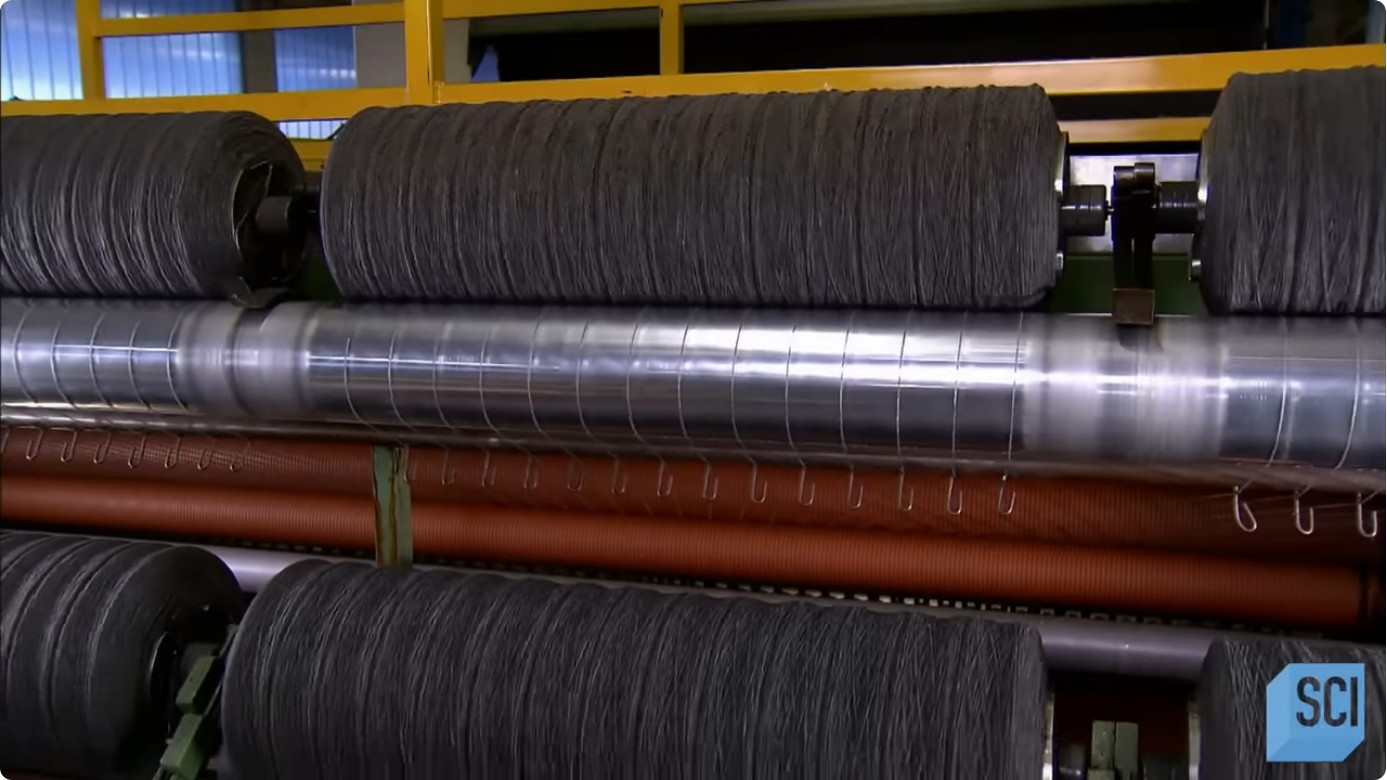
French terry’s signature feel comes from its knitting process. It’s a weft-knit fabric, similar to jersey, but with an extra set of yarns that form the loops on the backside. The front (face) is smooth and can be left with a slight texture or polished to a soft sheen. The back has those characteristic loops, which are responsible for much of the fabric’s absorbency and cozy feel against the skin. In its undyed state, the loops are usually the natural color of the yarn. Dyeing it solid black, especially to a deep, consistent shade, requires precise control over the dyeing process and yarn quality.
The choice of black isn’t just aesthetic. In performance apparel, black is preferred for its UV protection (darker colors generally block more ultraviolet rays) and its ability to mask sweat marks and everyday dirt. For workwear or school uniforms, it projects a uniform, professional appearance. The challenge with black lies in achieving colorfastness—resistance to fading during washing and wear—and avoiding a “graying” effect where the white loops underneath may show through if the dye isn’t fully penetrated or if the fabric pills excessively.
Fiber Composition and Construction: The Core Determinants
The fibers you choose dictate everything from hand feel to price point. Black French terry is most commonly a blend, balancing the properties of natural and synthetic fibers.
Common Fiber Blends for Black French Terry
The blend ratio is the first specification to scrutinize. Here’s a breakdown of the most common options:
Blend
Typical Ratio
Key Characteristics
Best For
Considerations
100% Cotton
N/A
Highly breathable, soft, natural feel. Excellent absorbency. Can shrink significantly.
Prone to wrinkling. Less durable and less stretch than blends. May fade to a softer charcoal over time.
Cotton/Polyester
60/40, 80/20
Good balance of comfort, durability, and wrinkle resistance. More stable dimensional stability.
Everyday hoodies, joggers, kids’ wear, workwear.
Polyester can reduce breathability compared to 100% cotton. Feel can be less “premium” depending on yarn quality.
Cotton/Rayon (or Bamboo)
60/40, 70/30
Extremely soft, drapes beautifully, excellent moisture-wicking. Often has a luxurious hand.
Premium loungewear, yoga wear, draped tops.
Rayon can be weaker when wet, may shrink more, and can form pills if low-quality. Dye uptake can vary between cotton and rayon.
Tri-Blend (Cotton/Poly/Rayon)
Various
Attempts to combine softness (rayon), durability (poly), and comfort (cotton). Often a good all-rounder.
Performance-casual apparel, versatile basics.
Complexity can lead to inconsistent quality. The black dye must work on three different fiber types.
The Knit: Weight (GSM) and Loop Length
GSM (grams per square meter) is the critical metric for fabric weight. For French terry, a lighter 240-280 GSM is suitable for t-shirts and lighter layers. A medium 300-350 GSM is the classic hoodie and sweatpant weight. A heavy 380+ GSM is for premium, cold-weather sweatshirts. The loop length on the back also matters. Longer loops create a plusher, more absorbent, and often heavier fabric. Shorter loops result in a smoother, lighter, and more streamlined feel. For black fabrics, longer loops can sometimes highlight pilling more than shorter loops, as pills form on the looped surface.
Performance Properties: What to Expect from Black French Terry
Let’s move from composition to real-world behavior. The black dye can interact with these properties.
Moisture Management: The looped back is inherently absorbent, wicking sweat away from the skin. However, 100% cotton holds moisture (it doesn’t “wick” it to the outer surface as efficiently as synthetic performance knits). Blends with polyester or rayon improve moisture transport and drying time.
Softness & Hand Feel: This is highly variable. A high-quality, combed cotton yarn will feel significantly softer than a carded yarn. The brushing or napping process on the loop side (if applied) enhances softness. Be aware that some very soft fabrics may be less durable.
Durability & Pilling: Polyester and longer-staple cotton (like Pima or Supima) increase resistance to abrasion and pilling. Pilling is a primary concern with black French terry. Small, light-colored pills on a black background are highly visible. Look for fabrics that have been “singed” (a process that burns off loose fibers) or use tighter yarn twists.
Shrinkage: Pre-washed or “sanforized” fabrics are non-negotiable for production. Untreated 100% cotton French terry can shrink 5-10% in the first wash, ruining garment sizing. Always ask for the fabric’s shrink rate.
Colorfastness: This is the biggest risk with black. Poor dyeing leads to fading, color transfer (bleeding onto other clothes), and a loss of depth. Request a fabric sample and conduct a wash test. Use cold water, a mild detergent, and air dry. Check for any color in the water and for fading on a hidden seam allowance. Standards like AATCC test methods (e.g., Test 61 for colorfastness to laundering) are used in professional textile testing.
Practical Applications: Where Black French Terry Shines
The fabric’s versatility is its superpower. Its weight and drape guide its best uses:
Classic Hoodies & Sweatshirts: The 300-350 GSM range is the industry standard. Black provides a clean canvas for prints, embroidery, or simply a minimalist logo.
Joggers & Sweatpants: Requires a fabric with good recovery (ability to return to shape) and a comfortable weight. A cotton/poly blend often works best here to prevent bagginess at the knees.
Loungewear Sets: Softer, lighter weights (240-280 GSM) with a high cotton or rayon content are preferred for ultimate comfort and a draped look.
Yoga & Light Athleisure: A tri-blend with good stretch (often from added elastane, though pure French terry has minimal inherent stretch) and moisture management. The black color is functional for studio settings.
Uniforms & Workwear: Durability and colorfastness are paramount. A heavier, cotton/poly blend with a tight loop construction is ideal. The black color conceals dirt and maintains a consistent appearance.
Accessories: Hats, bags, and even black French terry linings for jackets benefit from its softness and structure.
Sourcing and Quality Checklist: What to Ask Your Supplier
Ordering fabric sight-unseen is risky. Use this checklist to qualify suppliers and samples.
Request a Physical Sample: Never rely on photos or descriptions alone. The sample should be at least 12″x12″.
Evaluate the Sample:
Feel both sides. Is the loop side soft or scratchy? Is the face side smooth?
Stretch it widthwise and lengthwise. Note the recovery.
Hold it up to the light. Is the color consistent? Are there thin or thick spots?
Check the edges. Does it fray easily? A clean, stable edge indicates good construction.
Ask for Specific Technical Data:
Exact fiber content percentages.
Fabric weight (GSM) and width.
Shrinkage percentage (after a home laundering simulation).
Colorfastness ratings (ideally 4 or 5 on the AATCC 1-5 scale for wash and rub).
Yarn count and loop length specifications if possible.
Inquire About Certifications: For sustainable claims, look for certifications from trusted bodies like GOTS (Global Organic Textile Standard) for organic cotton or Textile Exchange standards for recycled content. OEKO-TEX Standard 100 ensures harmful chemicals are not present.
Understand Minimum Order Quantities (MOQs): Wholesale fabric suppliers often have MOQs ranging from 10-50 yards for a single color/roll. For black French terry, which is a staple, MOQs can be lower than for custom colors. Online retailers and specialty brick-and-mortar suppliers are good starting points for small quantities.
Discuss Pre-Washing: If your production process does not include pre-washing the fabric, you must buy pre-washed fabric to ensure final garment sizing is accurate.
Limitations and Tradeoffs: The Honest Truth
Black French terry is not a miracle fabric. Its tradeoffs must be managed:
Breathability vs. Durability: 100% cotton is most breathable but least durable and most prone to shrinkage. Adding polyester improves durability and stability but can trap more heat.
Softness vs. Longevity: The softest, brushed finishes often pill faster. A tighter, less brushed loop may be less initially cozy but will maintain its appearance longer—a critical factor for black.
Cost vs. Quality: A very low price usually indicates lower yarn quality (shorter staple cotton, weaker twist), which leads to faster pilling, fading, and distortion. For a staple item like a black hoodie, investing in mid-range fabric pays off in product reputation.
Color Depth vs. Environmental Impact: Achieving a true, deep black often requires more dye and chemical processing. If sustainability is a priority, seek out suppliers using low-impact dyes and certified raw materials, and accept that a slightly heather grey or deep charcoal may be a more environmentally friendly “black.”
Caring for Black French Terry: Prolonging the Life
Proper care maximizes the lifespan and appearance of the final garment. Provide these instructions with any products you sell:
Wash Cold: Always in cold water (30°C / 86°F or below). Hot water accelerates fading and shrinkage.
Gentle Cycle: Use a gentle cycle to reduce agitation, which causes pilling and fabric stress.
Mild Detergent: Avoid harsh detergents and bleach (chlorine or oxygen-based).
Avoid the Dryer: Air dry flat or on a low setting. High heat is the primary cause of shrinkage and sets wrinkles.
Turn Inside Out: Washing and drying inside out reduces pilling on the outer face and protects prints/embroidery.
Do Not Iron Directly: If ironing is necessary, use a low heat setting and iron on the reverse side.
Still Have Questions About Black French Terry?
Choosing the right fabric involves balancing many factors. Here are answers to common lingering concerns:
“How can I test for pilling before buying a bulk roll?” Use the Martindale method if you have access to a lab. For a quick shop test, take your sample, rub it vigorously between your fingers and against itself for 30 seconds, then brush it off. Excessive fiber formation indicates a high pilling risk.
“Is a French terry with spandex or elastane still ‘true’ French terry?” Technically, adding elastane (usually 3-5%) creates a stretch French terry. It’s widely accepted and excellent for fitted activewear. The construction remains the same; it’s just a stretch yarn in the knit.
“Why does my black French terry feel stiff out of the package?” This is common with tightly woven, high-GSM fabrics or those with a synthetic blend. It will soften considerably after 2-3 washes. Pre-washed fabrics are often softer initially.
“Can I bleach white French terry to make it gray?” No. Bleaching weakens fibers and will damage the fabric, leading to holes and severe pilling. To achieve a gray, the yarn must be dyed that color.
“What GSM is best for a lightweight black hoodie?” Aim for 260-300 GSM. Below 260 GSM may feel too thin and lose the cozy “sweatshirt” association. Above 300 GSM starts to enter classic hoodie territory.
The journey to the perfect black French terry ends with a physical sample in hand and a clear understanding of your project’s priorities—whether that’s maximum softness, absolute durability, or the lowest possible cost. By asking the right questions of your supplier and testing rigorously, you can avoid the pitfalls of poor-quality black dye jobs and premature pilling, ensuring your final product looks and performs exactly as intended, wash after wash.