Address
304 North Cardinal
St. Dorchester Center, MA 02124
Work Hours
Monday to Friday: 7AM - 7PM
Weekend: 10AM - 5PM
Address
304 North Cardinal
St. Dorchester Center, MA 02124
Work Hours
Monday to Friday: 7AM - 7PM
Weekend: 10AM - 5PM
If you’ve ever felt the luxurious, soft interior of a premium loungewear set or a cozy baby onesie, you might have encountered bamboo french terry. This innovative knit fabric combines the classic, looped-back texture of traditional french terry with the renowned softness and moisture-wicking properties of bamboo viscose. But what exactly makes it different from standard cotton french terry, and is it the right choice for your next project or product line? This guide cuts through the marketing to give you a detailed, practical look at bamboo french terry fabric, from its construction and performance to its real-world applications and sourcing considerations.
We’ll explore its unique feel, how it performs under pressure, where it truly excels, and the important trade-offs you need to know before buying. Whether you’re a small-batch designer, a brand owner, or a sewing enthusiast, understanding this material’s specifics will help you make informed decisions and set accurate expectations for your final product.
At its core, french terry is a knit fabric (usually jersey knit) with a smooth, flat face and a distinctive looped, terrycloth-like back. The loops create air pockets that provide insulation and a soft, plush hand. Bamboo french terry simply replaces or blends the traditional cotton yarns with yarns spun from bamboo viscose (also called bamboo rayon).
More advice: What is PU Fabric? A Clear Guide to Polyurethane-Coated Textiles
It’s critical to understand that bamboo fabric is not a natural, raw fiber like linen or cotton. The soft, silky bamboo textile most commonly used is a regenerated cellulose fiber. The bamboo pulp is dissolved and extruded into filaments, similar to the process for rayon from wood pulp. This chemical process is why you’ll often see the term “bamboo viscose” or “bamboo rayon” on fabric labels, as required by guidelines from the U.S. Federal Trade Commission (FTC).
Pure bamboo viscose is relatively weak when wet and can lack stability. Therefore, you will almost never find 100% bamboo french terry for durable apparel. It is always a blend, most commonly with cotton or sometimes polyester. The blend ratio dramatically affects the fabric’s character:

Bamboo french terry’s reputation is built on a few standout qualities, but it comes with operational caveats that designers and makers must plan for.
| Property | Bamboo/Cotton Blend Terry | 100% Cotton Terry |
|---|---|---|
| Hand & Softness | Exceptionally soft, silky-smooth face. Often described as “buttery” or “cashmere-like.” | Soft, but with a more classic, cozy, terry-cloth texture. Can feel slightly rougher, especially after washes. |
| Moisture Management | Superior. Bamboo viscose wicks moisture 40%+ more effectively than cotton and dries faster. | Good absorber, but slower to dry. Can feel heavy and soggy when saturated. |
| Thermoregulation | Excellent. The fabric’s structure and bamboo’s natural properties help maintain a more consistent skin temperature. | Good insulator, but less breathable. Can feel warm in high humidity. |
| Durability & Stability | Weaker. Lower tensile strength. More prone to stretching, distortion, and pilling, especially with high bamboo content. | Strong, stable, holds shape well. More resistant to pilling. |
| Shrinkage | Higher pre-shrink potential. Must be pre-washed correctly. | Predictable and manageable, typically 3-5%. |
| Care | Requires gentle handling. Hand-wash or delicate cycle with cold water is strongly recommended. Avoid high-heat drying. | More forgiving. Machine washable in warm water, can tolerate higher dryer heat. |
The tradeoff is clear: You trade some long-term durability and ease of care for an unparalleled soft hand and superior active comfort. This makes bamboo french terry a premium comfort fabric, not a workhorse.
Choosing the right fabric for the right job is half the battle. Bamboo french terry excels in specific categories where comfort against the skin is the primary driver.
Not all bamboo french terry is created equal. The quality can vary dramatically based on the mill, the exact blend, and the finishing process. Here’s your checklist for procuring a reliable fabric.
Insist on a clear fiber content declaration. Look for “bamboo viscose” or “bamboo rayon” on the spec sheet. Be wary of vague terms like “bamboo fabric” or “bamboo blend” without specifics. For apparel, a 60/40 or 70/30 bamboo/cotton blend is the sweet spot for performance and handle.
French terry weight is measured in grams per square meter (GSM). This dictates its thickness and warmth.
Look at a sample. Are the loops on the back uniform and closely packed? Sparse, uneven loops can indicate a cheaper, lighter fabric that may pill more quickly. The loop size also affects the feel—smaller loops tend to be smoother.
A quality manufacturer will pre-shrink the fabric (sanforize or steam finish). Ask for the expected shrinkage rate. A reputable supplier will provide this data. Also, inquire about any special finishes (e.g., silicone softeners, which can wash out).
For wholesale, go directly to textile mills or large fabric converters. For smaller quantities, seek out online retailers that specialize in high-quality, eco-conscious knits and provide detailed, honest swatches. Always order a physical swatch before committing to a large bolt. Feel it, wash it, and test its recovery.
Related guide: The Cotton Modal Blend: A Practical Guide to Softness, Durability, and Sourcing
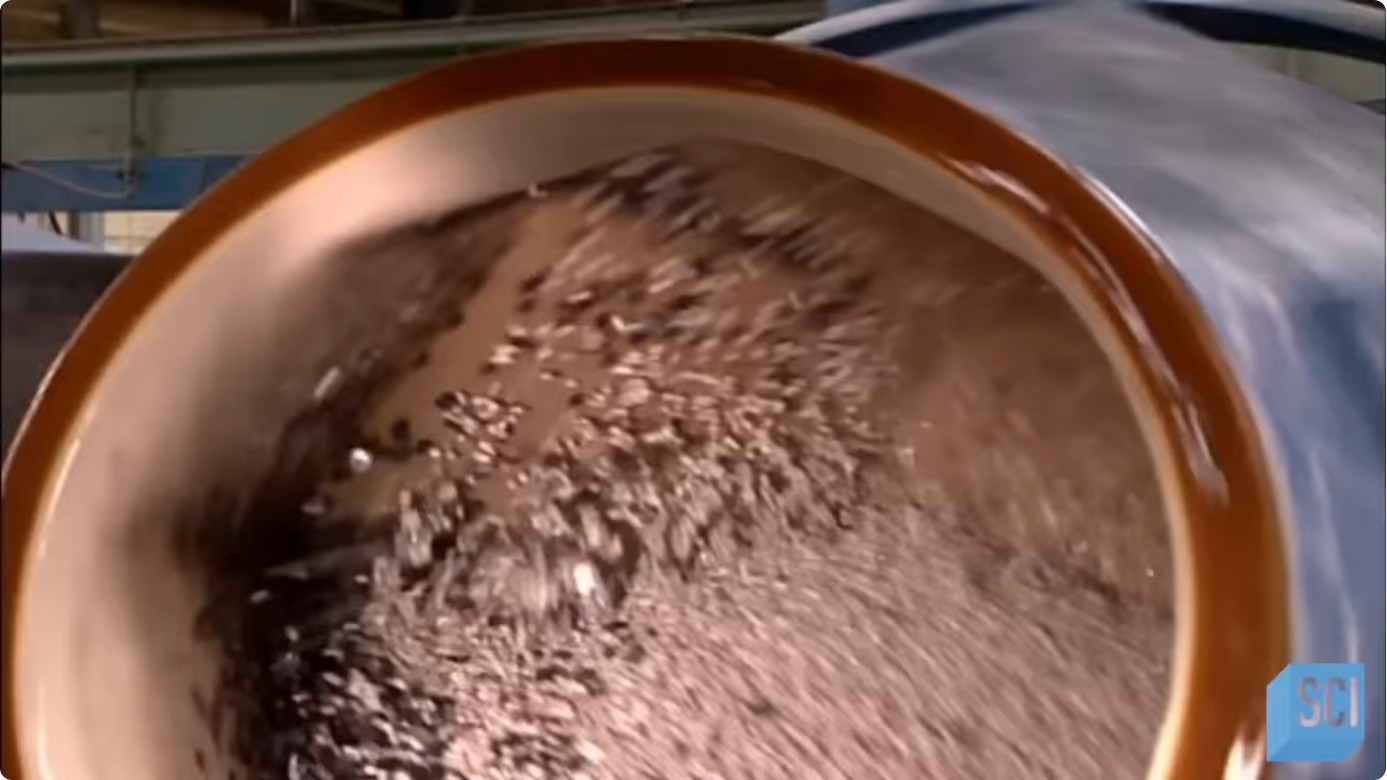
Bamboo is often marketed as an eco-friendly miracle fiber. The plant itself grows rapidly with minimal pesticide use and can help regenerate soil. However, the fabric production is where the environmental impact lies. The viscose process uses chemicals (like carbon disulfide and sodium hydroxide) that must be managed responsibly to avoid pollution.
Therefore, the sustainability of bamboo french terry depends entirely on the manufacturer’s practices. Look for:
Do not assume “bamboo” equals “sustainable.” You must do the legwork to verify the processing chain. For the most eco-conscious path, organic cotton french terry or lyocell/cotton blends from certified sources are often more transparent and reliably low-impact.
Improper care is the number one cause of premature failure for bamboo blends. Following these guidelines will preserve softness and shape.
Essential Care Checklist:
With proper care, a well-made bamboo/cotton french terry garment can last for years, maintaining its prized softness. However, be prepared for it to develop a softer, more lived-in feel—and potentially some pilling on high-friction areas like inner thighs or underarms—which is characteristic of this delicate, natural-fiber blend.
Bamboo french terry is a specialty fabric with a specific value proposition. It is not a direct, drop-in replacement for standard cotton french terry. Its higher cost is justified for products where the ultimate tactile experience is a core selling point.
Is it worth the premium cost? For loungewear, sleepwear, and premium basics where softness is paramount, yes. For basic t-shirts for a large, cost-sensitive market, probably not.
How does it feel compared to Modal or Tencel™? Bamboo viscose has a very similar feel to Modal (also a regenerated cellulose fiber from beech trees). Tencel™ (lyocell from eucalyptus) is often cited as having a slightly cooler, silkier hand and a more sustainable closed-loop production. The differences are subtle and often come down to personal preference and the specific mill’s finishing.
Can I blend it myself? While possible, it’s not recommended for commercial production. The different shrinkage rates, dye affinities, and handling characteristics of bamboo viscose and cotton require precise mill processing to avoid a final product that is misshapen or poorly finished.
In the end, bamboo french terry fabric rewards the maker and wearer who prioritize comfort and are willing to invest in proper care. By understanding its construction, respecting its limitations, and sourcing thoughtfully, you can leverage its unique properties to create garments that deliver a consistently premium experience.
You may also like: Bamboo Tie Dye: A Practical Guide to Fabric, Process, and Performance


[…] and pills less after 20 washes, yet costs roughly 30% more per yard. For a full sourcing map, our Bamboo French Terry Fabric complete guide lists vetted […]
[…] lacking functional loops, and often repels moisture. For a full breakdown of the knit variant, our bamboo French terry fabric guide explains sourcing and drape. Using French terry for a bath towel is the mistake I made on a […]