Address
304 North Cardinal
St. Dorchester Center, MA 02124
Work Hours
Monday to Friday: 7AM - 7PM
Weekend: 10AM - 5PM
Address
304 North Cardinal
St. Dorchester Center, MA 02124
Work Hours
Monday to Friday: 7AM - 7PM
Weekend: 10AM - 5PM
When you hear “camo fabric,” your mind likely jumps to the disruptive pattern—the digital splotches of green, brown, and tan designed to break up a human silhouette. But the true performance of any camouflage garment lives in the material beneath the dye. The base fabric determines everything from noise level and comfort to durability and weather resistance. A poor fabric choice can render even the most advanced pattern ineffective, while the right textile can make a simple pattern highly functional. This guide moves beyond the visual to dissect the actual materials that make up camo apparel, helping you understand what to look for based on your specific needs, whether for hunting, tactical use, workwear, or fashion.
We’ll break down the common fiber compositions, weave structures, and fabric finishes that define a camo garment’s real-world behavior. The goal is to equip you with the knowledge to evaluate a label or product description with confidence, asking the right questions about weight, treatment, and construction rather than just focusing on the pattern’s aesthetics.
Camo fabric starts with yarns, and those yarns are made from fibers. The choice of fiber—natural, synthetic, or a blend—is the first and most critical decision point, setting the baseline for the garment’s properties. Here’s a look at the primary families.
100% cotton was the historical standard for military and work camo (like the classic BDUs). Its strengths are inherent comfort, softness, and breathability. It’s also naturally flame-resistant and static-resistant. However, its drawbacks are significant for active outdoor use: it absorbs water readily (becoming heavy and slow to dry), wrinkles excessively, and can shrink if not pre-shrunk. Modern performance camo rarely uses 100% cotton for primary outer layers, but it remains common in casual, lightweight shirts where comfort is prioritized over harsh-weather performance.
Synthetic fibers dominate modern performance camo. Polyester is prized for its excellent durability, resistance to shrinking and stretching, quick-drying nature, and lower cost. It holds color well, which is vital for vibrant, long-lasting camo prints. However, standard polyester can feel less breathable and is prone to holding odors. Nylon (often branded as Cordura® or Ballistic Nylon when in heavy weaves) is even stronger and more abrasion-resistant than polyester, with a smoother feel. It’s the go-to for high-stress applications like tactical vests and heavy-duty pants. Both synthetics can be engineered at the fiber level (e.g., moisture-wicking, UV-resistant) but are inherently less comfortable against the skin than cotton without a softener finish.
Most performance camo fabrics you’ll encounter are blends, typically cotton/polyester (e.g., 60/40 or 65/35) or sometimes including a small percentage of spandex/elastane for stretch. The blend aims to capture cotton’s comfort and breathability while gaining polyester’s durability, wrinkle resistance, and quick-dry capability. The ratio is a direct indicator of the fabric’s character: a higher cotton content will feel softer and breathe better but will perform worse when wet; a higher polyester content will be tougher and drier but may feel warmer and stiffer. The American Association of Textile Chemists and Colorists (AATCC) provides standards for testing these blended fabric properties.
| Blend Type | Key Characteristics | Best For | Primary Caveats |
|---|---|---|---|
| 100% Cotton | Soft, breathable, comfortable, flame-resistant | Casual shirts, lightweight layers, hot/dry climates | Heavy when wet, slow-drying, wrinkles heavily |
| Cotton/Poly Blend (e.g., 65/35) | Good balance of comfort & durability, decent wrinkle resistance | General hunting apparel, work uniforms, everyday camo | Still absorbs moisture; performance is a compromise, not a specialty |
| 100% Polyester (Microfiber) | Lightweight, very quick-drying, highly durable, colorfast | Waterfowl hunting (in marshes), high-output activities, budget tactical gear | Can feel clammy, less breathable, static-prone, odor retention |
| Polyester/Nylon Blend | High abrasion resistance, smooth feel, good wind resistance | Heavy-duty pants, tactical outer shells, rugged outerwear | Typically heavier, less flexible, can be noisy (“swishy”) |
| Blends with Spandex/Lycra® | Added mobility and stretch, better recovery | Active hunting pants, climbing/crouching gear, fitted base layers | Spandex degrades with heat/chlorine; high heat drying can ruin stretch |
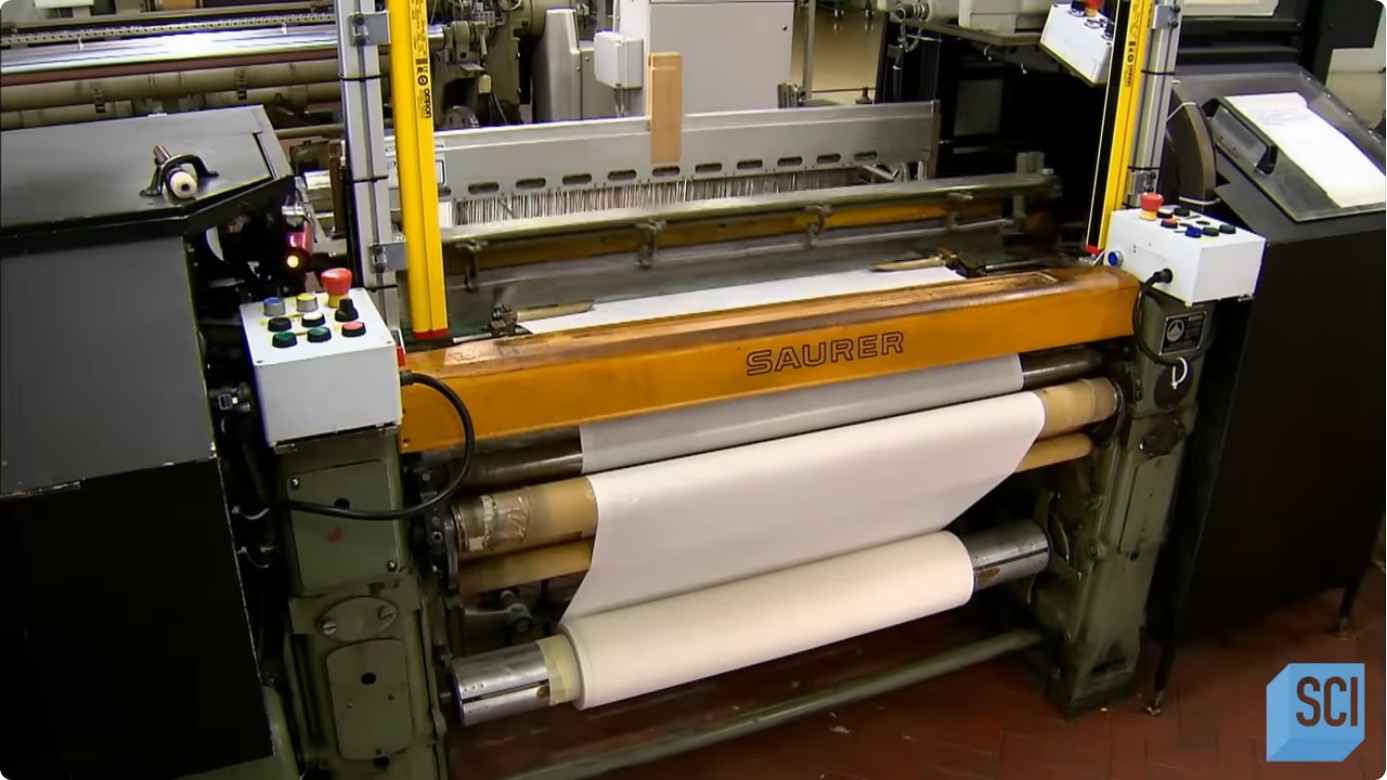
Fiber choice is the DNA, but the weave is the skeleton. This defines the fabric’s texture, strength, wind resistance, and noise profile.
Weight dictates the fabric’s heft, durability, and suitability for season. It’s measured in either denier (for nylon) or grams per square meter (GSM) for most others.
A raw weave is just a start. Modern camo fabrics are treated with finishes that dramatically alter performance. These are often not listed on tags but are key differentiators.
The “best” camo fabric is entirely context-dependent. Here’s how the requirements shift.
When buying camo apparel, especially for professional or serious recreational use, look beyond the brand name to the fabric details.
What’s the best camo fabric for hot, humid deer hunting?
Look for a lightweight (120-180 GSM), 100% polyester or high-poly blend with aggressive moisture-wicking and anti-microbial treatment. A loose, breathable weave (like a wide mesh in key zones) is a plus. Avoid cotton, which will stay damp and heavy.
Can I use the same camo fabric for winter and summer?
Not optimally. Winter systems require insulation and wind/water resistance (heavier fabrics, membranes). Summer requires light, breathable, quick-dry fabrics. A versatile 3-season system uses a layering approach: a breathable mid-weight shell (for shoulder seasons) with insulating layers underneath, rather than a single “do-everything” fabric.
Is “ripstop” always stronger than non-ripstop?
Ripstop prevents small holes from tearing further, but it doesn’t necessarily make the fabric more abrasion-resistant or stronger overall in a static tear test. A heavy-duty non-ripstop twill can be more abrasion-resistant than a light ripstop. Ripstop’s primary benefit is tear propagation control.
How do I care for my DWR-treated camo gear?
Wash in warm water with a technical cleaner (not regular detergent, which can clog the fibers). Tumble dry on low heat to reactivate the DWR. When water stops beading and starts soaking in, it’s time to reapply a DWR spray or wash-in treatment. Never use fabric softener, as it coats fibers and destroys both DWR and wicking properties.
Are expensive brand-name fabrics always better?
Not necessarily. Brand markup is real. Focus on the specific fabric specifications (fiber content, weave, weight, finishes) rather than the logo. A lesser-known brand using a high-quality, specified mill fabric can outperform a fashion-branded garment with vague, substandard materials. Always evaluate the fabric first.




