Address
304 North Cardinal
St. Dorchester Center, MA 02124
Work Hours
Monday to Friday: 7AM - 7PM
Weekend: 10AM - 5PM
Address
304 North Cardinal
St. Dorchester Center, MA 02124
Work Hours
Monday to Friday: 7AM - 7PM
Weekend: 10AM - 5PM
If you’ve ever reached for a cozy hoodie or a pair of soft joggers, you’ve likely experienced cotton fleece. But there’s a common point of confusion: many people use the term “fleece” to describe any soft, brushed fabric, when in technical textile terms, fleece specifically refers to a knitted fabric that has been brushed on one or both sides to create a napped, insulating surface. True cotton fleece is a subset of this category, made from 100% cotton or cotton-rich blends. Understanding its distinct construction and tradeoffs is key to knowing when to choose it over its synthetic counterpart, polyester fleece, for a given project or product line.
This guide cuts through the ambiguity. We’ll break down exactly what cotton fleece is, how it’s made, its core performance characteristics, and where it makes the most sense to use it. You’ll learn the critical factors to evaluate when sourcing, head-to-head comparisons with synthetic fleece, and practical care considerations. Whether you’re a small-brand owner, a sewing enthusiast, or a merchandiser, this article provides the actionable details needed to make informed fabric decisions.
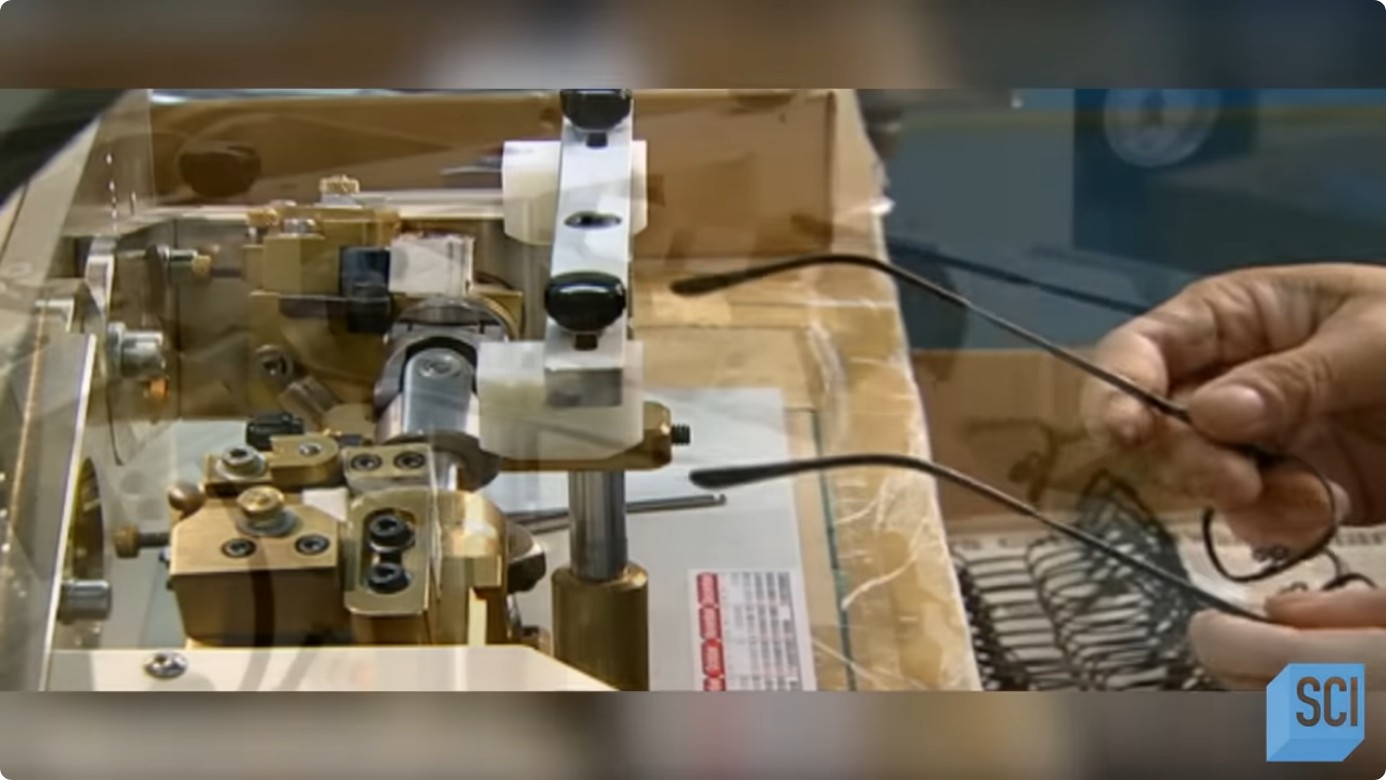
The term “fleece” in apparel typically describes a fabric with a brushed pile surface. This structure traps air, providing warmth. For cotton fleece, the base fabric is a jersey knit—the same basic construction as a t-shirt. The defining process happens after knitting: the fabric passes over a series of fine wires (a brushing machine) that lift the yarn fibers, creating a soft, fuzzy pile on one or both sides. A single-brushed fleece has the nap on the inside (against the skin) for softness, while a double-brushed fleece is napped on both sides, offering enhanced softness and a more uniform appearance.
More advice: The Practical Guide to Poncho Sewing Pattern PDFs: From Digital File to Finished Garment
You might encounter the term “cotton-jersey fleece.” This is essentially synonymous with standard cotton fleece, emphasizing the jersey knit foundation. However, be aware that some manufacturers use “fleece” loosely for any thick, soft cotton knit, even if it hasn’t been mechanically brushed. True brushed cotton fleece will have a distinctly raised, plush pile you can see and feel. Unbrushed thick jersey is simply a heavy cotton tee fabric—warm due to its weight, but lacking the signature fuzzy texture and the same level of trapped air insulation.
Cotton fleece’s characteristics stem directly from its natural fiber and brushed knit structure. It’s crucial to weigh these pros and cons against your specific needs.
| Property | Cotton Fleece (Typical) | Key Tradeoff / Consideration |
|---|---|---|
| Softness & Comfort | Excellent. The natural cotton fiber and brushed pile feel exceptionally soft against the skin, especially when worn as a mid-layer. Often described as having a “broken-in” feel from the start. | Can be less smooth than high-end synthetic micro-fleeces initially, but many prefer the natural texture. Softness may diminish with repeated pilling. |
| Breathability | Good to Very Good. Cotton is inherently breathable, allowing moisture vapor to pass through more readily than most polyester fleeces. | When saturated with sweat, cotton holds moisture next to the skin (it absorbs ~27% of its weight in water), which can lead to a chilled feeling. Not ideal for high-exertion, sweaty activities. |
| Warmth (Insulation) | Good when dry. The brushed pile creates air pockets that trap body heat. Weight-for-weight, it’s warm. | Loses significant insulating power when wet. Polyester fleece retains most of its warmth even when damp because it doesn’t absorb water. Cotton fleece’s warmth-to-weight ratio is generally lower than premium synthetic fleeces. |
| Durability & Pilling | Moderate. The brushed surface is susceptible to pilling (formation of small fiber balls) with abrasion and washing. Cotton fibers are shorter than polyester, contributing to this. | Less durable and more prone to pilling than polyester fleece. Requires more careful handling and laundering to maintain appearance. Not ideal for high-friction areas like backpack straps or rugged outerwear. |
| Moisture Management | Absorbent but slow-drying. Wicks moisture away into the fabric body but holds it, feeling damp. | Drying time is much slower than synthetic fleece. This is a primary reason it’s avoided for activewear. |
| Shrinkage | High potential. Like all cotton, it can shrink considerably if not pre-shrunk (sanforized) or washed/dried improperly. | Must be pre-washed or accounted for in pattern design. Expect 3-5% shrinkage in length and width if not treated. |
| Ease of Care | Machine washable, but prone to shrinkage and pilling. Softness can degrade with harsh detergents and high-heat drying. | Requires gentler care cycles, cold water, and low-heat tumble drying or line drying to preserve longevity and softness. |
| Environmental Profile | Biodegradable (under industrial composting conditions). Can be certified organic (GOTS) or recycled (from pre-consumer waste). | Conventional cotton cultivation has high water and pesticide impacts. Organic cotton mitigates this but is less common. Production still requires significant water in dyeing/finishing. |
Choosing between these two is often the central decision. They are not interchangeable; each excels in different contexts.
If you’re purchasing wholesale, not all cotton fleeces are created equal. Here is a practical checklist to discuss with suppliers.
Sourcing Checklist:
Its comfort profile makes it a staple for specific garment categories.
Avoid specifying cotton fleece for: high-exertion athletic wear (running, cycling), rugged outerwear subject to abrasion, swimwear, or any application where quick-drying or wet warmth is critical.
Helpful tip: The Structured Stretch: A Practical Guide to Cotton Rib Fabric
Improper care is the fastest route to pilling, shrinkage, and a rough hand. Follow these guidelines:
For manufacturers, the FTC Care Labeling Rule mandates clear instructions. For “Machine Wash” labels, adding “Tumble Dry Low” and “Do Not Bleach” is standard and legally protective.
The choice ultimately hinges on the primary user experience you’re targeting. Cotton fleece prioritizes natural comfort, breathability, and a classic casual aesthetic. It is a performance compromise in terms of weather resistance, durability, and wet-weather warmth. Ask yourself: Is the user likely to sweat in this garment? Will it be exposed to rain or significant abrasion? If yes, polyester fleece or another technical fabric is likely a better engineering choice. If the context is relaxed, dry, indoor or urban wear where “feels good” is the top priority, cotton fleece remains a timeless, cost-effective, and consumer-friendly option.
Is cotton fleece sustainable? It can be, but it depends. Organic cotton fleece (GOTS certified) addresses pesticide and farming concerns but still has a high water footprint. Conventional cotton has significant environmental impacts. Recycled cotton blends are emerging but less common. The sustainability argument is more nuanced than with recycled polyester.
How does it compare in cost to polyester fleece? Basic commodity cotton fleece is often cheaper than high-performance branded polyester fleece (e.g., Polartec). However, organic cotton fleece or low-pilling, tightly-constructed cotton fleece can command a premium price, narrowing the gap.
Can I dye cotton fleece at home? Yes, and it takes dye very well due to cotton’s affinity for reactive dyes. However, the brushing process can make the pile appear slightly less uniform after dyeing. Garment-dyeing is a common industrial process for achieving soft, muted colors and a pre-worn feel.
Will it shrink more than a regular cotton t-shirt? Yes, potentially more. The brushing process can relax the knit structure, and the thicker fabric can shrink more dramatically if not sanforized. Always pre-wash fabric or buy pre-shrunk (“sanforized”) fleece for garments where sizing is critical.
More advice: The Gauze Fabric Yard: A Practical Guide to Weaves, Sourcing, and Applications