Address
304 North Cardinal
St. Dorchester Center, MA 02124
Work Hours
Monday to Friday: 7AM - 7PM
Weekend: 10AM - 5PM
Address
304 North Cardinal
St. Dorchester Center, MA 02124
Work Hours
Monday to Friday: 7AM - 7PM
Weekend: 10AM - 5PM
If you’ve ever handled a cotton shirt or drapery that feels distinctly textured, with a subtle, nubby surface and a slightly irregular visual depth, you’ve likely encountered cotton slub fabric. It’s a beloved material for its organic, artisanal look and unique handfeel, standing apart from standard, smooth-weave cotton. But what exactly creates that characteristic texture, and is it the right choice for your next project or product line? Understanding cotton slub—from its intentional manufacturing process to its practical performance—helps you make informed decisions, whether you’re a home sewer, a fashion designer, or a buyer sourcing materials for wholesale.
This guide cuts through the ambiguity. We’ll define slub cotton, explain how it’s made, detail its properties and common applications, and address the crucial trade-offs and care considerations. You’ll learn to recognize quality slub, understand its limitations, and identify where it excels and where alternative fabrics might serve you better.
The term “slub” refers not to the finished fabric itself, but to the yarn used to weave or knit it. A slub yarn is intentionally created with thick and thin sections along its length. When these yarns are woven into fabric, the variations in yarn thickness produce a surface texture marked by subtle, irregularly spaced bumps or “nubs.” This is the hallmark of cotton slub fabric. It’s a deliberate design effect, not a manufacturing defect. The resulting fabric often has a linen-like aesthetic and a tactile, organic feel while retaining the breathability and comfort of cotton.
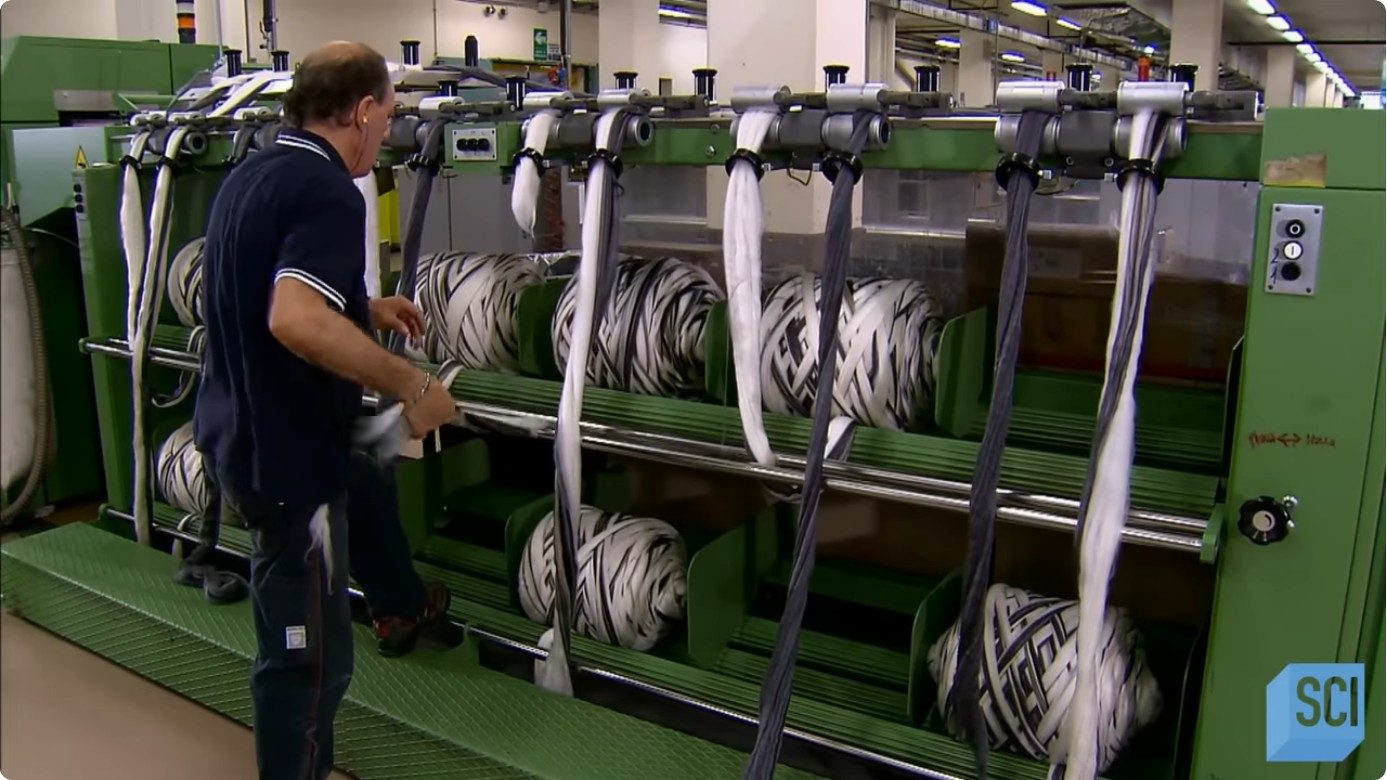
Slub yarn is produced on specialized spinning frames. The effect is engineered in two primary ways:
The spacing, size, and definition of these slubs are carefully controlled parameters. A fabric labeled “slub” can range from having very fine, subtle texture to having large, pronounced knots. The specific slub profile is a key differentiator between fabrics from different mills and is often part of a fabric’s unique identity. To understand the technical standards and processes behind textile yarn formation, resources from organizations like the National Cotton Council provide foundational knowledge on cotton spinning.
Choosing cotton slub means embracing its unique character, which comes with specific performance attributes—both advantages and limitations.
| Property | Cotton Slub Fabric | Standard Smooth Weave Cotton (e.g., Poplin) |
|---|---|---|
| Surface Texture | Textured, nubby, irregular | Smooth, uniform |
| Visual Appearance | Organic, rustic, depth | Clean, crisp, flat |
| Handfeel | Substantial, varied | Soft, consistent |
| Drape | Relaxed, can be stiff | Generally good drape |
| Wrinkle Resistance | Better at hiding wrinkles | Wrinkles more visibly |
| Best For | Casual wear, artisanal styles | Formal wear, crisp bedding |
The unique aesthetic of slub cotton lends itself to specific categories where texture is a virtue, not a flaw.
When sourcing for production, consider the end-use. A slub fabric with very large, high-contrast slubs might be too rustic for a modern minimalist blouse but perfect for a bohemian-inspired tunic.
For sewists and manufacturers, slub cotton behaves like most medium-weight woven cottons but has a few quirks.
Cotton slub fabric is generally durable and easy to care for, following standard cotton guidelines:
Durability is comparable to standard cotton of similar weight. The slubs themselves are not weak points if well-made, but very pronounced slubs in a very lightweight fabric can be more prone to snagging. For wholesale buyers, requesting fabric swatches and abrasion test data (like Martindale results for upholstery) from suppliers is a prudent step.
When sourcing cotton slub fabric for commercial use, several factors determine quality and suitability.
Is slub cotton low quality?
No. Slub is an intentional textural effect. Quality is determined by the cotton fiber grade, spinning evenness within the slub profile, and fabric construction. A well-made slub cotton is a premium, design-driven fabric.
Can slub cotton be 100% organic?
Yes. The slub effect is a yarn-spinning technique and is compatible with organic cotton fibers. Always verify the organic certification on the specific fabric lot.
Is it suitable for summer clothing?
Absolutely. As 100% cotton, it breathes well. Its casual aesthetic and texture are ideal for warm-weather shirts, dresses, and shorts.
Will slub fabric shrink?
Like all cotton, it can shrink if not pre-washed. For garment production, pre-washing (sanforizing) the fabric is highly recommended to control shrinkage. For DIY, pre-wash your fabric before cutting if shrinkage is a concern.
How do I describe slub fabric to a customer or client?
Emphasize its “intentional texture” and “organic, artisanal character.” Contrast it with smooth weaves: “It has a beautiful, nubby surface that adds visual depth and a relaxed feel, unlike a flat, crisp cotton.”
Ultimately, cotton slub fabric is a celebration of texture in a world of smooth surfaces. By understanding its creation, properties, and ideal applications, you can confidently select it for projects that benefit from its distinctive, tactile personality. Whether you’re sourcing for a clothing line or choosing material for a home décor project, the key is to match the slub’s specific profile and weight to the desired aesthetic and functional outcome.