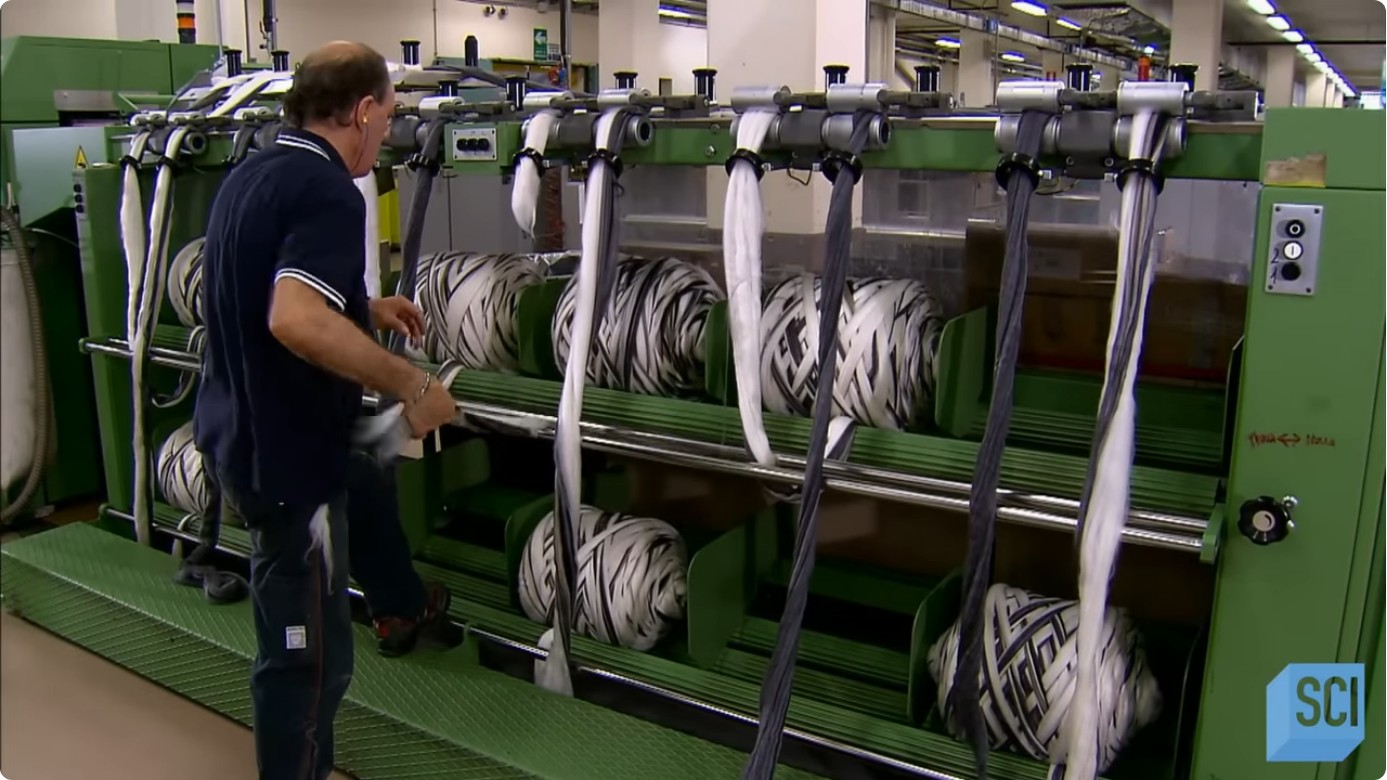
Ecru melange is a term frequently encountered in fabric swatch books and sourcing conversations, but it is often misunderstood. It is not simply a color name, though ‘ecru’ refers to a natural, off-white shade reminiscent of unbleached wool or linen. The critical component is ‘melange,’ a French word meaning ‘mixture.’ In textile manufacturing, melange describes a yarn or fabric created by blending fibers of different colors or dyes before spinning or weaving, resulting in a soft, heathered appearance with subtle, tonal variation. This distinguishes it fundamentally from fabrics that are piece-dyed a solid color or from ‘heather’ fabrics, which typically achieve a similar look by mixing different colored yarns after spinning. Understanding this process is key to predicting the fabric’s hand, performance, and sourcing requirements.
For designers, product developers, and sourcing managers, ecru melange fabric represents a specific aesthetic and technical choice. Its popularity in activewear, basics, and premium casualwear stems from its ability to hide minor stains, soften the visual impact of construction seams, and convey a textured, organic feel. However, its production method introduces unique variables in color consistency, dye uptake, and long-term care. This guide will deconstruct what ecru melange fabric is, how it’s made, its inherent properties and limitations, and the practical considerations for specifying and purchasing it for apparel applications.
What Matters Most About Ecru Melange Fabric
Before diving into details, here are the core, non-negotiable points that define this fabric type and its use cases:
It’s a Manufacturing Process, Not a Color: ‘Ecru’ defines the base color palette (off-whites, creams, natural tones). ‘Melange’ defines the method of creating color variation by blending pre-dyed fibers.
Aesthetic is Primary: The goal is a soft, non-uniform, heathered look. Perfect color consistency between batches is difficult and often not the objective.
Performance is Fiber-Dependent: The final fabric’s moisture-wicking, durability, and feel are determined by the base fibers (e.g., cotton, polyester, modal), not the melange process itself.
Sourcing Requires Clear Communication: You must specify the desired color variation intensity (e.g., “subtle melange” vs. “bold flecked”) and provide a physical reference swatch, as lab dips can be misleading.
Cost Can Be Higher: The process of dyeing fibers in multiple colors, blending them precisely, and managing color consistency often increases production cost and lead time compared to solid-dyed fabrics.
The Manufacturing Process: From Fibers to Finished Cloth
The magic of melange lies in its upfront blending. There are two primary methods to achieve the ecru melange look:
1. Fiber-Dye Melange (Stock-Dye)
This is the most common and authentic method for high-quality melange. Individual raw fibers (e.g., polyester, cotton) are dyed to different shades within the ecru color family (e.g., natural, oatmeal, light taupe). These pre-dyed fibers are then thoroughly blended together in specified proportions before being spun into yarn. The resulting yarn carries the color variation throughout its entire cross-section.
Advantage: The melange effect is permanent and will not fade to a solid color with wear. It provides the deepest, most integrated heathering.
Tradeoff: Requires precise control over fiber blending ratios. Any inconsistency at this stage magnifies in the final fabric. Minimum order quantities (MOQs) for custom dyed fibers can be high.
2. Yarn-Dye Melange (Cross-Dye)
In this method, yarns are first spun from a single color of undyed or ecru-dyed fiber. These yarns are then dyed together in a single dye bath with multiple dyestuffs. Different fiber types within the yarn (if it’s a blend) or different yarns in the fabric construction will take the dye differently, creating a melange-like effect. This can be less predictable than stock-dye.
Advantage: Can be more cost-effective for certain blends and allows for more dramatic color splits.
Tradeoff: The effect can be more surface-level and may show wear differently than stock-dye melange. Colorfastness can vary more between the different dye uptake zones.
For the most consistent and premium ecru melange fabric, stock-dye (fiber-dye) is the industry-preferred method. When sourcing, always ask the supplier which process they use.
Key Properties and Performance Characteristics
The melange process itself does not dramatically alter the intrinsic properties of the base fibers, but it does influence some perceived and practical characteristics.
Property
How Melange Affects It
Practical Implication
Visual Texture & Depth
Creates a soft, tonal variation that adds visual interest without bold patterns.
Excellent for minimizing the appearance of wrinkles, seams, and minor dirt. Projects a premium, “lived-in” aesthetic.
Color Consistency (Batch-to-Batch)
Inherently variable. Slight shifts in fiber blend ratios cause noticeable differences.
Critical to order full yardage for a single style at once. Do not expect perfect match from a re-order months later. Use a master swatch locked in a vault.
Hand (Feel)
Can feel slightly softer or more “broken-in” initially due to the mélange of dye and fiber treatments.
Often preferred for fleece, French terry, and jersey where a soft hand is paramount.
Colorfastness
Generally good if fiber-dye method is used. However, the different dye shades may have slightly different fastness ratings.
Test for washfastness and lightfastness (AATCC test methods are the standard). The “heather” effect may become more pronounced if one dye lot fades slightly more than another.
Shrinkage & Dimensional Stability
No different from a solid-dyed fabric of the same construction.
Pre-shrink or pre-wash fabric according to the fiber content (e.g., cotton will shrink more than polyester).
Primary Applications and Use Cases
Ecru melange is a workhorse in specific categories where its aesthetic advantages outweigh its sourcing complexities.
Activewear & Sportswear: Commonly used in moisture-wicking polyester or nylon blends. The variegated color helps mask sweat marks and provides a technical, textured look. Brands like Lululemon and Patagonia frequently use melange constructions in their mid-layer pieces.
Basic Tees and Sweats: The standard for many premium basics. It elevates a simple t-shirt or hoodie, making it look more intentional and less like a blank garment. It pairs well with both solid-color and patterned garments.
Fleece and French Terry: The melange effect is particularly striking on napped fabrics like fleece, adding depth to the plush surface. In French terry, it softens the visual contrast between the looped and flat sides.
Workwear and Uniforms: An excellent choice where a professional but not overly formal look is needed, and where the ability to hide dirt and wear is a functional benefit.
Accessories: Used in bags, hats, and casual footwear uppers for a sophisticated, textured appearance.
Scenario Example: A yoga studio wanting to create a custom-branded line of leggings and hoodies would specify a polyester-cotton ecru melange fleece. The melange hides potential mat friction marks, the blend provides softness and warmth, and the ecru color palette fits a natural, calming brand identity.
Sourcing, Wholesale, and Supplier Considerations
Sourcing ecru melange fabric requires a different conversation than sourcing a solid jersey. Here is a practical checklist for your sourcing team or supplier inquiries.
Sourcing Checklist for Ecru Melange
Lock Down the Construction First: Specify the base fabric: yarn count, GSM (grams per square meter), weave/knit type (e.g., 1×1 rib, 3-thread fleece), and fiber content (e.g., 65% polyester, 35% ring-spun cotton). The melange is an attribute of this base.
Provide a Physical Reference: A labeled, approved fabric swatch is non-negotiable. Describe the desired melange intensity: “subtle,” “medium fleck,” or “bold.” Include notes on whether the variation should be fine (like heather) or more pronounced (with visible darker flecks).
Ask About the Dye Method: “Is this a stock-dye (fiber-dye) or cross-dye process?” The answer affects long-term color stability and minimums.
Request Pre-Production (PP) Samples: Before committing to a full run, assess the PP sample for color match to your swatch, hand, and overall melange distribution. Be prepared for it to be close, but not identical.
Clarify Color Tolerance Policy: Agree in writing what constitutes an acceptable batch variation. Industry practice often allows for a Delta E difference of 1.0-1.5 on melange fabrics, which is more lenient than for solid colors.
Understand Minimums: Custom melange fabrics often have higher MOQs (e.g., 3,000-5,000 yards) due to the setup for fiber dyeing. For smaller runs, work with a converter who stocks standard melange bases that can be overdyed or explore fabric wholesalers with existing inventory.
Plan for Excess: Always over-order by 5-10% for your first production run to account for shading differences and potential cutting waste. There is no “top-up” order later.
When sourcing wholesale, specialized textile converters and knit fabric mills are the best sources. Generic fabric marketplaces may list “melange” fabrics with inconsistent quality. For performance applications, seek suppliers with expertise in technical blends (e.g., polyester with Lycra®/spandex) who can ensure the melange process does not interfere with moisture-wicking treatments or four-way stretch properties.
Limitations and Crucial Tradeoffs
Choosing an ecru melange fabric is a decision with clear tradeoffs. Recognizing these early prevents production problems.
Color Matching is an Illusion: The defining feature—its non-uniformity—means exact color matching across separate orders or even within a massive roll is impossible. If your product line requires absolute color consistency across styles (e.g., a solid-color polo and a melange tee in the same “oatmeal”), you must accept that they will be different shades. Design your color story around this.
Potential for “Pilling” Appearance: On some high-friction knits (like 100% cotton), the lighter fibers in the melange may surface more as pilling forms, creating a visually “dirtier” look than pilling on a solid dark fabric. Test the specific fabric construction for pilling resistance (ASTM D3512 is a common test).
Printing Limitations: Direct-to-garment (DTG) or screen printing on melange fabrics is challenging. The variable color base interferes with ink opacity. You will almost always need to use a white underbase, which can affect the hand of the print and increase cost. Sublimation is only an option on high-polyester content fabrics.
Higher Cost & Longer Lead Time: The specialized dyeing and blending process adds cost. For custom colors, the lead time can be 2-4 weeks longer than for a standard solid-dyed fabric.
Common Questions and Final Considerations
As you evaluate if ecru melange is right for your project, you likely have lingering questions about implementation.
Can I get a very specific Pantone color in melange? Not exactly. You can target a color family. Provide a Pantone as a starting point for the lightest and darkest shades you want in the blend, but be prepared for the mill to interpret the blend ratios. The final fabric will be an interpretation, not a match.
Is it more sustainable than solid dye? It depends. Stock-dye melange can be more sustainable if it uses recycled fibers dyed in an efficient, closed-loop system. However, the process of dyeing multiple fiber colors can use more water and chemicals than a single-color dye bath. Ask for chemical compliance certifications (e.g., OEKO-TEX®, Bluesign®) from your supplier.
How do I care for garments made from it? Follow the care instructions for the base fiber composition. Generally, machine wash cold with like colors, avoid chlorine bleach (which can affect different dye shades unevenly), and tumble dry low. The melange effect is stable, but aggressive washing can increase the visual contrast between the fiber shades over time.
What’s the difference between melange and heather? In common parlance, they are often used interchangeably. Technically, “melange” usually implies a more pronounced, flecked variation from fiber-dyed stocks, while “heather” can refer to a softer, more uniform blend often created by mixing different colored yarns post-spinning. A mill’s spec sheet should clarify the method.
Ultimately, ecru melange fabric is a powerful design tool for creating garments with inherent texture, visual depth, and a premium casual feel. Its success hinges on embracing its organic variability rather than fighting it. By establishing clear, technical specifications with your supplier, understanding the production realities, and designing with its unique characteristics in mind, you can leverage melange to create products that stand out in a market saturated with solid-color basics.