Address
304 North Cardinal
St. Dorchester Center, MA 02124
Work Hours
Monday to Friday: 7AM - 7PM
Weekend: 10AM - 5PM
Address
304 North Cardinal
St. Dorchester Center, MA 02124
Work Hours
Monday to Friday: 7AM - 7PM
Weekend: 10AM - 5PM
When you see a sweater with an intricate, all-over geometric pattern that feels substantial yet has a clean, finished edge that doesn’t roll, you’re likely looking at jacquard double knit. It’s a workhorse fabric that bridges the gap between decorative weaving and practical knitting, offering a unique combination of stability, design complexity, and comfort. For designers, manufacturers, and sourcing professionals, understanding this fabric is key to creating high-quality, structured garments that hold their shape. This guide cuts through the jargon to explain what jacquard double knit truly is, how it differs from similar textiles, and where it makes the most sense to use it.
At its core, a double knit is a fabric made on a specialized knitting machine that creates two layers of fabric interlocked together. Think of it as a sandwich: two separate jersey layers are knitted simultaneously and bonded at regular intervals. This structure gives double knits their signature stability—they don’t curl at the edges like single jersey, they have better drape and recovery, and they are generally more durable and opaque.
The “jacquard” part refers to the patterning mechanism. A jacquard attachment on the knitting machine allows for individual control of each needle. This means you can program complex, all-over patterns—from subtle textures to bold geometrics or even figurative designs—directly into the fabric’s structure. Unlike printed or embroidered patterns, a jacquard pattern is woven/knitted into the fabric itself, making it reversible (though often with a different, usually plainer, backside) and impossible to crack or peel.
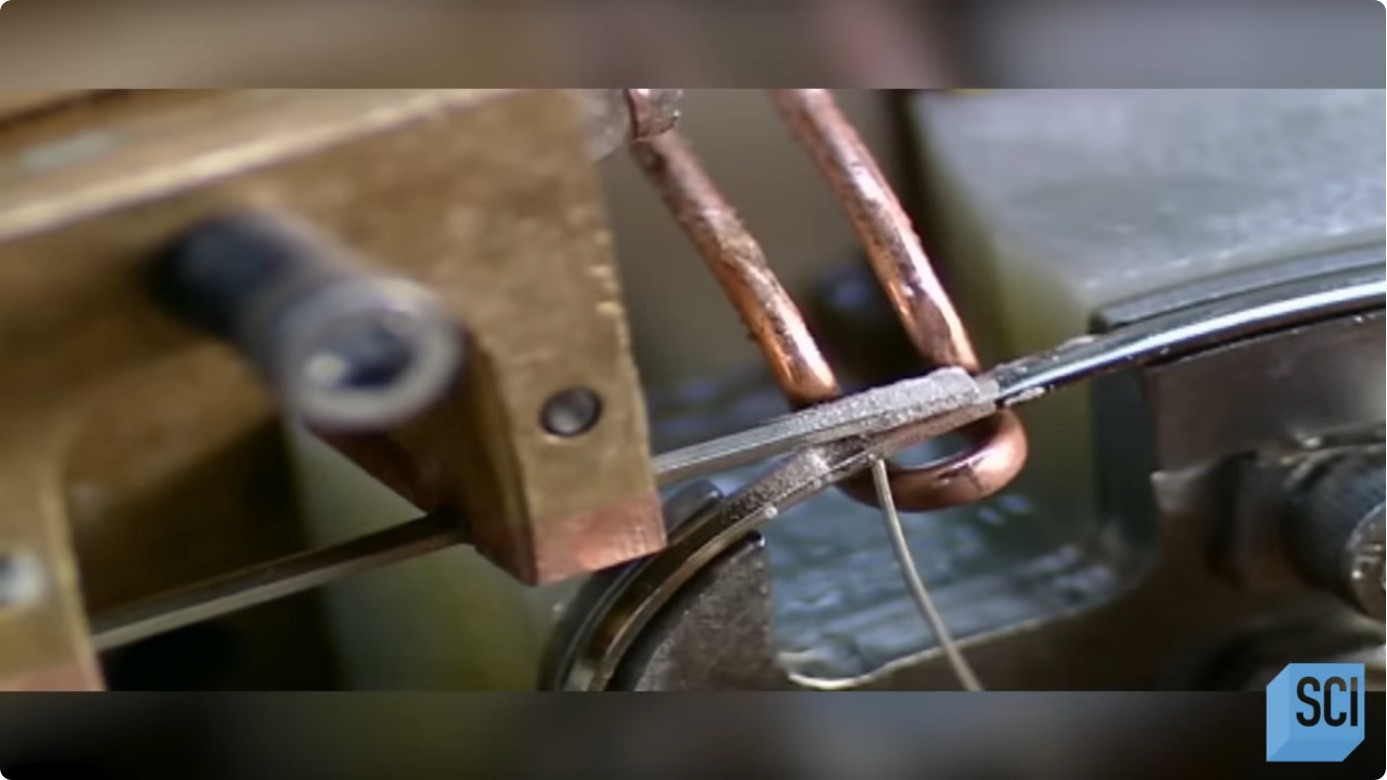
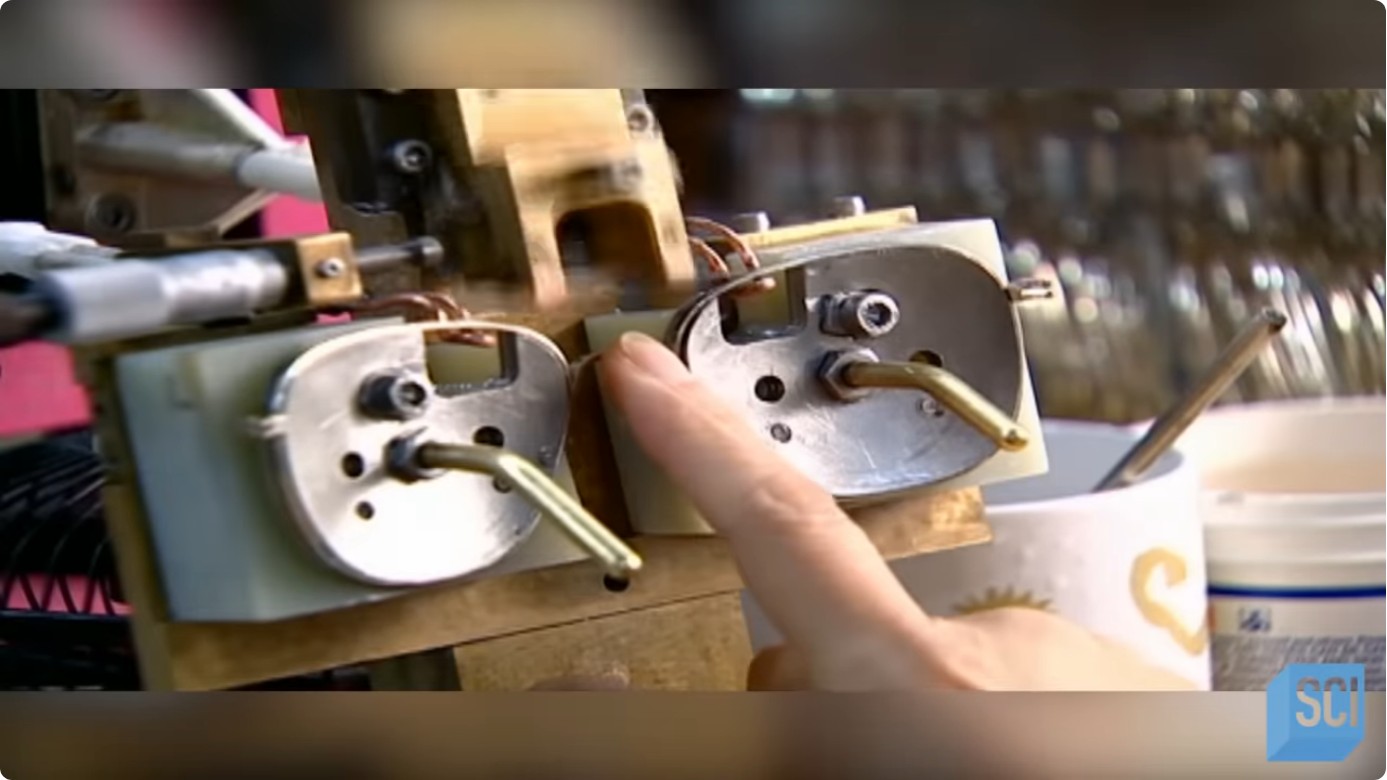
The production process is what locks in the fabric’s characteristics. A double jacquard knitting machine (often a V-bed or cylinder-dial type) uses multiple yarn feeds. The patterning yarns create the design on the front layer, while a separate set of yarns forms the back layer and connects the two. The interlocking can be in various formations (like a tricot or Milano structure), affecting the fabric’s hand and performance.
Key variables in manufacturing that designers must specify include:
It’s easy to confuse jacquard double knit with other patterned or stable knits. Here’s where it stands apart.
| Fabric Type | Structure | Pattern Integration | Edge Stability | Primary Hand/Drape | Cost Factor |
|---|---|---|---|---|---|
| Jacquard Double Knit | Two interlocked knitted layers | Woven/knitted into structure; reversible | Excellent; no curl | Substantial, stable, with good drape | High (machine time + yarn use) |
| Single Jersey Jacquard | Single layer, tuck/float stitches for pattern | Knitted into structure; one-sided pattern | Poor; significant curl | Soft, flexible, lighter | Medium-High |
| Woven Jacquard (e.g., Brocade) | Two perpendicular yarn sets (warp/weft) | Woven into structure; often raised/pile | Excellent; clean edge | Firm, crisp, less stretch | Very High (slow weaving) |
| Printed Knit | Single or double knit base | Applied top surface; one-sided | Varies by base knit | Depends on base knit | Low-Medium (base knit cost + print) |
Note: For a deep dive into knit vs. woven construction fundamentals, the Textile Institute offers foundational resources.
The fabric’s stability and integrated pattern make it a favorite for garments that need to look polished and retain shape without heavy interfacing.
Choosing jacquard double knit isn’t just about aesthetics; it’s a sourcing decision with tangible implications.
Advantages:
Considerations & Caveats:
Also read: Cotton Lycra Fabric: The Complete Guide to Composition, Properties, and Sourcing
Before committing to a jacquard double knit development, run through this practical checklist with your fabric supplier or mill.
Jacquard double knit is a premium fabric choice that pays off in garment integrity and design impact. It’s the solution when you need a patterned knit that behaves more like a woven fabric in terms of structure but retains the comfort and slight give of a knit. The tradeoff is always cost, complexity, and reduced stretch.
Choose it when: Your design requires an integral, high-quality pattern; the garment needs sharp structure (blazers, tailored pieces); durability and shape retention are top priorities; and your budget and timeline can accommodate a specialty knit.
Consider alternatives when: Your budget is very tight; you need maximum stretch for sport performance; the pattern is simple and can be achieved with a printed or embroidered fabric; or your production volume is extremely low (explore digital textile printing on single jersey for small runs).
Can you use jacquard double knit for very tight, body-hugging garments like a base layer? Generally, no. Its lower recovery and stretch compared to single jersey or performance mesh make it unsuitable for high-compression activewear. It’s better for semi-fitted or relaxed silhouettes.
How does it feel against the skin? That depends entirely on the yarn. A fine merino wool jacquard double knit will be soft and breathable. A polyester version might feel warmer and less breathable. Always get a swatch to evaluate hand and potential for pilling.
Is it difficult to sew? It can be, due to its thickness and stability. Use a sharp needle (often a ballpoint or microtex), a slightly longer stitch length, and care to avoid pinching or stretching the fabric during sewing. Walking feet or evenfeed feet are highly recommended.
What’s the environmental impact? This varies. A organic cotton or recycled polyester jacquard double knit can be a sustainable choice, but the energy-intensive knitting process and higher yarn consumption mean its overall footprint is higher than a plain knit of the same fiber. Look for mills with OEKO-TEX Standard 100 certification for chemical safety and bluesign® for sustainable processing.


