Address
304 North Cardinal
St. Dorchester Center, MA 02124
Work Hours
Monday to Friday: 7AM - 7PM
Weekend: 10AM - 5PM
Address
304 North Cardinal
St. Dorchester Center, MA 02124
Work Hours
Monday to Friday: 7AM - 7PM
Weekend: 10AM - 5PM
When someone in apparel manufacturing or design mentions “poly and poly,” they are almost invariably referring to two of the world’s most-produced synthetic fibers: polyester and polypropylene. While their names sound similar and they share a petroleum-based origin, their molecular structures and resulting performance characteristics are dramatically different. Choosing between them isn’t about which is universally “better,” but which aligns with a specific garment’s intended function, comfort requirements, and cost structure. This guide cuts through the ambiguity to provide a clear, side-by-side analysis of these two workhorse materials for textiles.
Understanding this distinction is critical for anyone sourcing fabrics, developing performance apparel, or even selecting workwear. Polyester is the versatile all-rounder, while polypropylene is a specialized fiber with a narrow but potent set of strengths. Misapplying either can lead to garments that fail in the field, cause discomfort, or have an unnecessarily high environmental impact. We will break down their core properties, ideal applications, sourcing realities, and key tradeoffs to help you make an informed decision for your next project.
The fundamental difference lies in their chemistry. Polyester, most commonly polyethylene terephthalate (PET), is a thermoplastic polymer that can be melted and reformed. Polypropylene (PP) is also a thermoplastic, but its molecular chain is non-polar and highly crystalline. This simple distinction cascades into every other performance metric.
Polyester is the anchor of the synthetic textile world. Its strength, stability, and dyeability make it the default choice for countless applications. Key properties include:
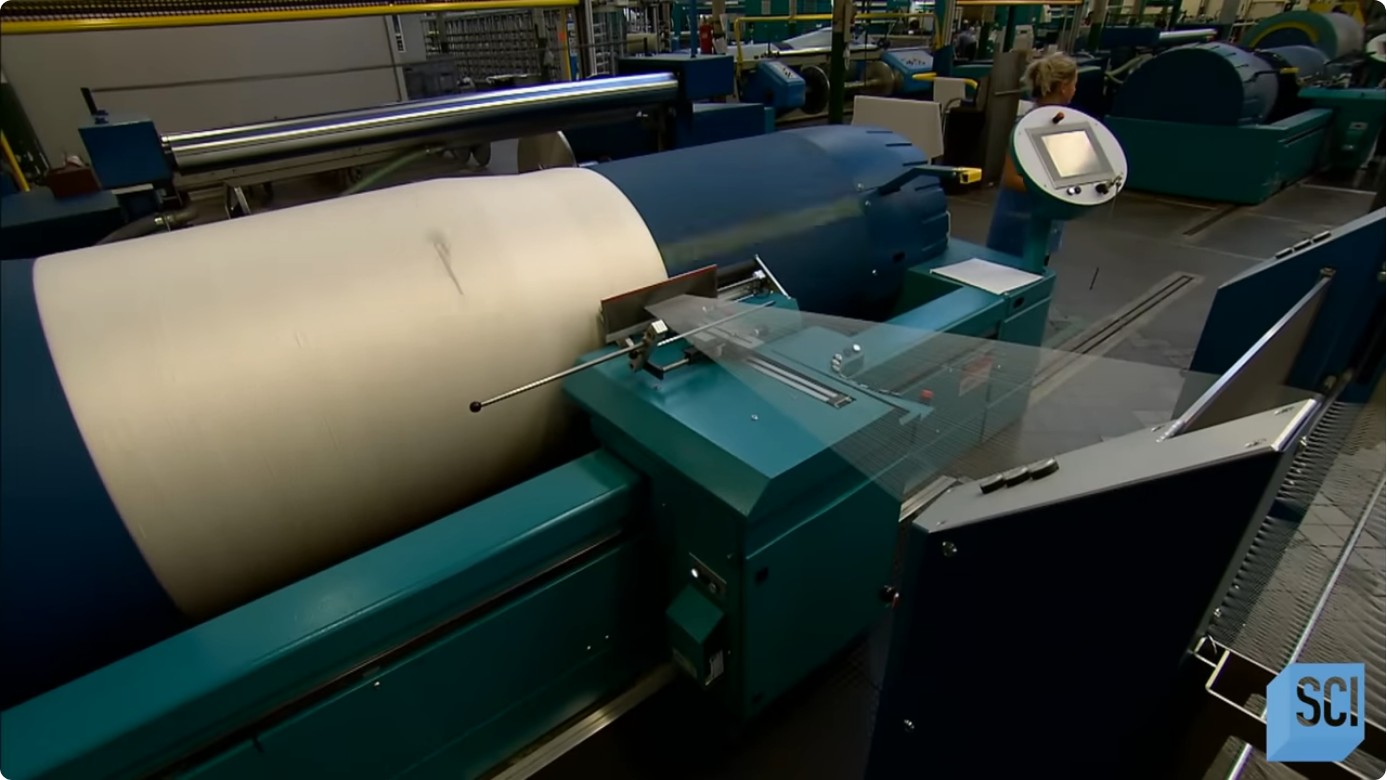
Polypropylene takes hydrophobicity to an extreme. It is the most hydrophobic of all common fibers, with a moisture regain of effectively 0%.
The following table highlights the decisive factors that typically separate these two fibers for apparel use.
| Property | Polyester (PET) | Polypropylene (PP) |
|---|---|---|
| Moisture Management | Wicks moderately; feels clammy when saturated. | Excellent wicking; feels dry to the touch; no absorption. |
| Thermal Properties | Insulating when dry; warm when damp. | Insulating when dry; loses insulating ability when wet. |
| Durability & Strength | High tensile strength; excellent abrasion resistance. | Good tensile strength but lower abrasion resistance; prone to pilling. |
| Heat Resistance | High (~260°C). Safe for ironing and high-heat drying. | Low (~165°C). Must be line-dried; ironing usually damages it. |
| UV & Weather Resistance | Good, but degrades over time without stabilizers. | Poor. Requires heavy UV stabilization for outdoor use. |
| Dyeability | Excellent (substrate dyeing, solution dye). Wide color range. | Very limited. Primarily solution-dyed (color added in melt). |
| Feel & Hand | Can range from soft to crisp; can be engineered for various textures. | Generally less soft; can have a slightly “plastic” or dry hand. |
| Cost | Generally lower than PP; mature, global supply chain. | Raw material cost is often lower, but processing/dyeing costs can be higher. |
| Flammability | Melts and burns; tends to self-extinguish. | Melts and burns; similar behavior. |
These material differences dictate their ideal use cases. The choice is functional, not arbitrary.
Polyester’s balance of properties makes it the backbone of the industry. You’ll find it in:
Polypropylene’s extreme hydrophobic nature locks it into specific, high-performance roles where staying dry is the absolute priority.
Critical Caveat: Polypropylene is rarely used for mid-layers or outer shells in performance wear because it loses insulating value when wet and has poor UV stability. A common high-performance stack is a PP base layer (wicking), a polyester fleece mid-layer (insulating even if damp), and a polyester/nylon shell (weatherproof).
More advice: Understanding 100% Cotton French Terry Fabric: Properties, Uses, and Sourcing
From a procurement standpoint, polyester enjoys a massive, global, and mature supply chain. It is available in endless deniers, filament or staple forms, and with a vast array of finishes (water-repellent, antimicrobial, etc.). Polypropylene, while produced in huge volumes for packaging and automotive, has a more limited textile-specific supply chain. Solution-dyed PP is the norm, which limits color options but eliminates the water and chemical burden of traditional dyeing.
Both are derived from fossil fuels, but their end-of-life pathways differ. Polyester is the most recycled synthetic fiber. Mechanical recycling (PET bottles to fiber) is widespread, and chemical recycling technologies are advancing. Polypropylene recycling exists but is less integrated into the textile loop. When specifying either, inquire about recycled content certification (like GRS) to verify claims. For biodegradability, neither will break down in a landfill, though some research exists for specific PP applications.
Use this list to navigate your choice. The decisive factor will be the primary performance requirement.
Can polyester be engineered to feel as dry as polypropylene? Modern polyester wicking finishes ( capillary action via fiber cross-sections like “coolmax” or “Dri-FIT” ) have narrowed the gap significantly. For many moderate-intensity activities, a well-designed polyester wicking fabric provides a dry enough feel for comfort. Polypropylene’s edge is its fundamental, zero-absorption physics, which is decisive for extreme sweat rates in cold environments.
What about the environmental tradeoffs? This is complex. Polypropylene’s solution-dyeing process uses far less water than traditional polyester dyeing. However, polyester’s recycling infrastructure is far more developed. The “greener” choice depends heavily on your supply chain’s specific practices, the use of recycled inputs, and the garment’s expected lifespan. A durable polyester garment may have a lower lifetime impact than a short-lived PP one.
Is there a blend that gives the best of both? Blending is uncommon due to the vastly different dyeing and heat-set requirements (polypropylene’s low melt point makes blending with high-temperature-processed polyester tricky). Some niche fabrics use a polyester face for durability/UV with a polypropylene inner layer for wicking, but these are laminated or constructed, not spun as a single yarn blend.


