Address
304 North Cardinal
St. Dorchester Center, MA 02124
Work Hours
Monday to Friday: 7AM - 7PM
Weekend: 10AM - 5PM
Address
304 North Cardinal
St. Dorchester Center, MA 02124
Work Hours
Monday to Friday: 7AM - 7PM
Weekend: 10AM - 5PM
When you search for “stretch knit fabric by the yard,” you’re entering a vast category that goes far beyond basic athletic wear. This material is the invisible engine behind everything from comfortable everyday jeans to high-performance dance costumes. However, the term encompasses a huge range of fibers, weights, and stretch percentages, which can make buying confusing and lead to project failures. Success depends on understanding what makes one stretch knit suitable for a tailored blazer while another is perfect for a swimsuit.
This guide cuts through the ambiguity. We’ll break down the technical fundamentals, walk you through the critical specifications to read on a product page, and match fabric types to real-world applications. You’ll learn to decipher terms like “recovery” and “hand,” understand the tradeoffs between common fiber blends, and get a checklist to ensure you buy the right yardage for your specific need.
At its core, a knit fabric is made by interlocking loops of yarn (think of a hand-knit sweater). A stretch knit is specifically engineered to extend and return to its original shape. This elasticity comes from one of two sources:
For any modern apparel application with meaningful stretch, you are almost certainly dealing with a blended knit containing spandex. The spandex filament is typically covered by a sheath of polyester, nylon, or cotton during the yarn-spinning process, creating a composite yarn like “poly-spandex” or “cotton-lycra.”
The “by the yard” fabric you buy is defined by its fiber content. The choice of primary fiber (the 95-98%) determines almost everything: cost, care, durability, moisture management, and environmental impact. Spandex provides the stretch, but the carrier fiber does the heavy lifting.
| Primary Fiber | Common Blend Ratio | Key Characteristics & Best Uses |
|---|---|---|
| Polyester | 92% Poly / 8% Spandex | Durable, wrinkle-resistant, colorfast, quick-drying. Low cost. Best for: activewear, dancewear, uniforms, swimwear (when coated). Can feel less breathable and generate static. |
| Nylon | 90% Nylon / 10% Spandex | Lighter weight than polyester, very smooth hand, excellent abrasion resistance. Best for: swimwear, lingerie, high-end activewear, sheer overlays. More expensive, less UV stable than polyester. |
| Cotton | 95% Cotton / 5% Spandex | Soft, breathable, natural feel. Poor moisture wicking (holds sweat). Recovery can degrade faster with laundering. Best for: casual T-shirts, jeans, loungewear, children’s wear. |
| Rayon/Viscose | 85-95% Rayon / 5-15% Spandex | Excellent drape and silk-like hand, breathable. Weak when wet, prone to shrinkage, less durable. Best for: draped dresses, blouses, fashion-forward pieces. Requires very gentle care. |
| Recycled Poly (rPET) | Varies (e.g., 80% rPET / 20% Virgin Poly / 6% Spandex) | Identical performance to virgin polyester with a lower environmental footprint. Look for certifications like Textile Exchange’s rPET standard. Best for: eco-conscious activewear brands. |
Ordering fabric online sight-unseen is a gamble. Mitigate your risk by systematically evaluating these factors before you click “add to cart.” This checklist turns a vague purchase into a deliberate material selection.
A critical note on spandex content: A 3-5% spandex blend is standard for comfort stretch. For compression garments or competitive swimwear, look for 10-20% spandex. Be aware: higher spandex content can increase pilling and may reduce fabric lifespan through repeated high-stress cycles.
Choosing the wrong stretch knit is the #1 cause of disappointment. Here’s how to align your project with the right material.
Requires 4-way stretch, excellent moisture-wicking, and durability against abrasion. Polyester-spandex blends (often with a brushed interior for warmth) are the industry standard. For swimwear, nylon-spandex with a chlorine-resistant finish is essential. Look for fabrics with OEKO-TEX® Standard 100 certification to ensure no harmful substances.

The “stretch denim” in your jeans is typically a cotton-polyester-spandex twill. The small percentage of spandex (2-3%) provides comfort without compromising denim’s durable look. For T-shirts and casual dresses, a 95% cotton / 5% spandex single jersey offers a familiar, soft feel with added ease.
Dancewear and theatrical costumes demand vibrant color, extreme stretch, and recovery. Heavyweight nylon-spandex (like 200 GSM) is common. Sheer, stretch fabrics like stretch mesh or glitter knits require careful handling due to low durability.
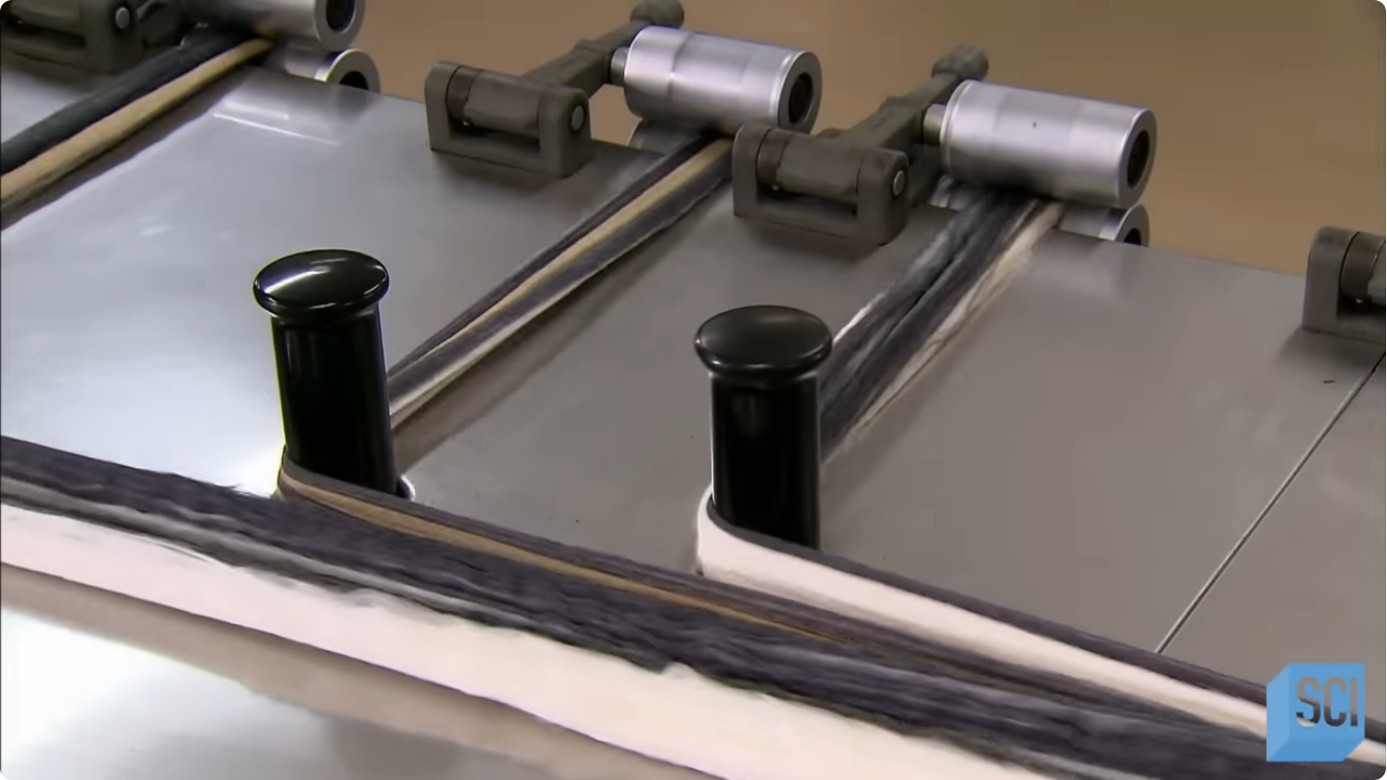
For a structured blazer or a sophisticated wrap dress, you need a knit with good recovery and stability. A double-knit or interlock construction (two layers of fabric knitted together) in a polyester-rayon-spandex blend provides the drape of a woven with the comfort of stretch. Avoid very lightweight, slinky knits here—they won’t hold a shape.
No fabric is perfect. The convenience of stretch knits comes with specific tradeoffs you must plan for.
Before you finalize your order, pause to consider these less-common but crucial points.
Ultimately, “stretch knit fabric by the yard” is a tool. Its value is determined by how precisely it matches your project’s demands. By moving beyond generic descriptions and scrutinizing specifications like GSM, fiber blend, and construction, you transform uncertainty into creative control, ensuring that the fabric you buy by the yard delivers exactly the performance you need.




