Address
304 North Cardinal
St. Dorchester Center, MA 02124
Work Hours
Monday to Friday: 7AM - 7PM
Weekend: 10AM - 5PM
Address
304 North Cardinal
St. Dorchester Center, MA 02124
Work Hours
Monday to Friday: 7AM - 7PM
Weekend: 10AM - 5PM
When you think of spandex, you likely picture a sleek, second-skin material—the kind that powers high-performance leggings and swimwear. But there’s another side to this extraordinary synthetic fiber: texture. Textured spandex fabric, where the elastane yarns are intentionally given a crimped, fluffy, or looped surface, opens up a different world of apparel possibilities. It trades some smoothness for enhanced grip, opacity, and a distinctive tactile feel, solving specific problems that smooth spandex simply cannot. This guide cuts through the marketing to explain what textured spandex really is, how it’s made, where it excels, and what trade-offs you accept when you choose it.
Whether you’re a designer evaluating fabrics for a new product line, a small brand sourcing materials, or just a curious maker, understanding this variation is key to making informed textile decisions. We’ll break down the mechanics, compare it to its smooth counterpart, and give you a clear framework for knowing when textured spandex is the right—or wrong—choice for your project.
The term “textured spandex” refers to fabric where the spandex (also known as elastane or Lycra®) component has been processed to have a three-dimensional, non-smooth surface. This is not a separate fiber type, but a specific texturizing method applied to the elastane yarn before or during weaving/knitting. The resulting fabric surface can feel nubby, loopy, bristly, or softly pebbled, depending on the technique.
Helpful tip: The Complete Guide to Linen Pants Patterns: From Fabric Behavior to Final Fit
It’s crucial to distinguish this from fabrics that are merely printed with a texture or have a textured weave using other fibers (like a ribbed knit with a small percentage of smooth spandex). True textured spandex fabric has the texture inherent to the elastane yarn itself, which affects the hand, performance, and appearance of the entire textile structure.
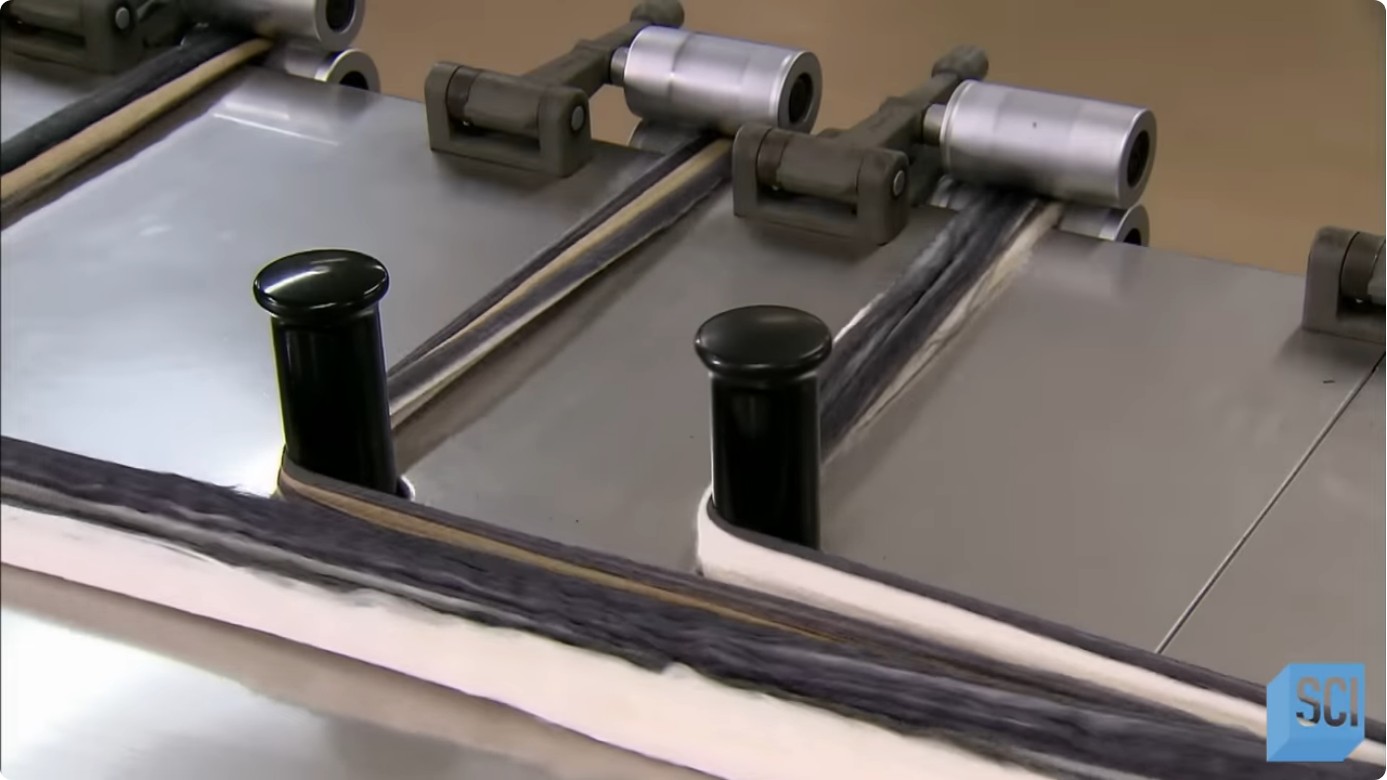
The texture is imparted during yarn production. The most common method is false-twist texturizing. In this process, continuous filament spandex is heated and twisted, then untwisted. This heat-setting creates permanent crimps, loops, and coils in the fiber, locking in a bulky, textured configuration. The result is a yarn with much greater volume and opacity than a smooth, monofilament spandex yarn of the same denier.
Alternative methods include:
The choice of method directly determines the final fabric’s character—from a fine, sand-like texture to a pronounced, terry-loop feel.
Adding texture to spandex fundamentally alters the fabric’s behavior. Here’s a side-by-side look at the key differentiators from smooth spandex fabrics.
| Property | Textured Spandex Fabric | Smooth Spandex Fabric (for comparison) |
|---|---|---|
| Hand & Feel | Softer, more substantial, often described as “pebbled,” “nubby,” or “lofty.” Less plastic-like. | Slick, cool, ultra-smooth, can feel thin and slippery. |
| Opacity | High. The textured yarn scatters light, making fabrics significantly more opaque even at lower spandex percentages. | Low to moderate. Smooth spandex is highly transparent when stretched; requires high spandex content or lining for opacity. |
| Grip & Friction | High. The textured surface increases friction, providing better grip against skin or other layers. Reduces slippage. | Low. Very slippery, which can cause garments to shift or ride up. |
| Stretch & Recovery | Very good, but marginally lower power-to-power recovery than smooth spandex at identical deniers due to yarn bulk. | Exceptional. Maximum power and recovery for its denier; the industry benchmark for performance stretch. |
| Breathability & Moisture Wicking | Can be higher due to increased micro-voids between textured filaments, but depends entirely on the base knit/weave structure. | Generally lower. The smooth, tight filament surface can trap moisture against the skin. |
| Visual Appearance | Matte or subtle visual texture. Hides minor body imperfections better. Shows less sheen when stretched. | Glossy, shiny appearance. Becomes highly transparent and glossy when stretched. |
| Dye Affinity | Excellent. The textured surface has more surface area for dye uptake, often yielding deeper, more vibrant colors. | Good, but the smooth surface can sometimes appear slightly lighter or more pastel. |
The unique property set of textured spandex makes it a targeted solution for specific garment challenges.
This is the single biggest advantage. A lightweight 10-15% textured spandex blend in a nylon or polyester knit can achieve the opacity of a 20%+ smooth spandex blend. This is invaluable for:
The increased friction is a functional feature:
The matte, substantial hand feels more premium and less “synthetic” than smooth spandex. It’s used in:
Sourcing textured spandex fabric requires asking the right questions, as terminology can be inconsistent.
You may also like: The Spandex-Cotton Blend: A Practical Guide to Properties, Uses, and Sourcing
Use this checklist when evaluating samples or spec sheets:
The final fabric is a combination of the textured elastane and the knit/weave structure. A single jersey knit with textured spandex will feel vastly different from a double-knit or interlock construction. Always evaluate a finished fabric swatch, not just a yarn sample. The base fabric’s weight, loop length, and knitting tension drastically influence the final outcome.
Textured spandex is not a universal upgrade. It comes with specific compromises that must be factored into your design and sourcing.
Ask yourself this sequence of questions to determine suitability:
Can I wash and dry textured spandex like regular activewear?
Treat it with more care. Machine wash cold on a gentle cycle inside-out. Avoid chlorine bleach. Tumble dry low or, ideally, air dry. High heat is the main enemy of the texturized yarn structure.
Is textured spandex more sustainable?
Not inherently. It uses the same petroleum-based spandex fiber. Any sustainability argument comes from potentially using less spandex to achieve the same opacity, or from blending with recycled carrier fibers (e.g., recycled polyester). The texturizing process itself adds an energy step. Look for recycled content certifications on the base fabric.
How does it compare to using a heavier fabric weight for opacity?
Can I blend textured and smooth spandex in one fabric?
Technically possible but complex and uncommon. It would create inconsistent hand and performance across the fabric. For consistent behavior, mills typically use one type per fabric construction.
Ultimately, textured spandex fabric is a specialized tool. Its value is in solving the specific, persistent problems of sheerness and slippage in stretch apparel. By understanding its origin, its measurable property changes, and its practical limits, you can leverage its unique advantages without unexpected disappointments in the final product.
You may also like: Scarf Sewing Pattern: How Fabric Choice Dictates Your Final Result