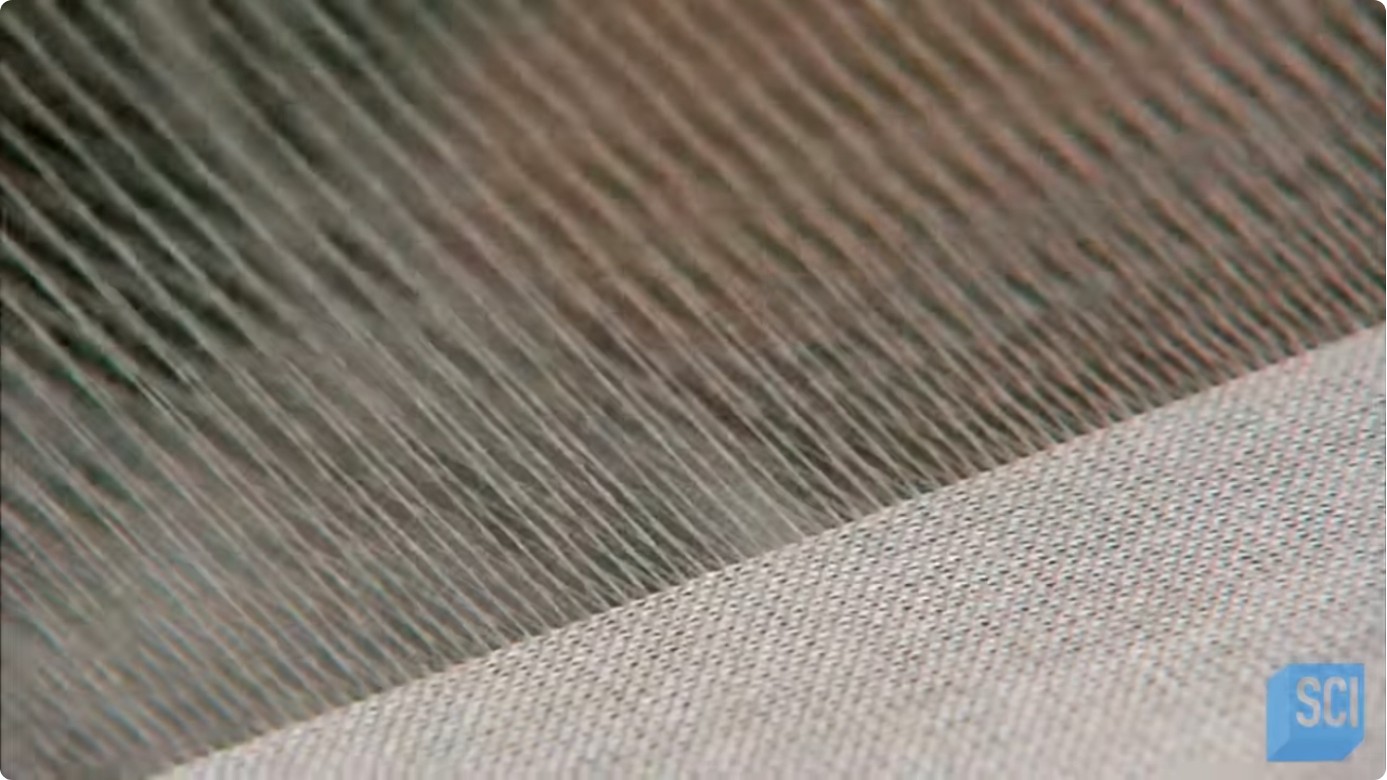
Cotton terry towelling fabric is far more than just the material of your bath towel. Defined by its signature looped pile on one or both sides, this versatile textile is a workhorse of absorbency and comfort, used in everything from luxury robes to industrial cleaning cloths. However, its performance can vary dramatically based on construction, cotton quality, and finishing. Misunderstanding these variables can lead to choosing the wrong weight for a project, experiencing excessive shrinkage, or paying for features you don’t actually need. This guide cuts through the ambiguity to provide a practical framework for evaluating, sourcing, and using cotton terry for your specific needs.
We’ll move beyond the simple “it’s absorbent” explanation to examine the critical distinctions between weave types, loop constructions, and fabric weights. Whether you’re a small apparel brand developing a high-performance athleisure line, a home textile buyer, or a DIY enthusiast, understanding these layers will directly impact your product’s functionality, cost, and longevity.
What Matters Most When Choosing Terry
Before diving into specifics, three primary factors will dictate the suitability of any cotton terry fabric for your application. Keeping these core considerations in mind will help you navigate technical specifications and supplier claims.
Loop Formation: Is it woven (traditional) or knitted? Woven terry is more stable and durable for heavy-duty use, while knitted terry offers superior stretch and softness for apparel.
Pile Height & Density: Short, tight loops (micro-terry) feel smoother and dry faster but have less immediate absorbency. Long, plush loops (traditional terry) are maximally absorbent but take longer to dry and can snag.
Cotton Quality & Yarn Count: The type of cotton (e.g., Pima, Egyptian, Upland) and the fineness of the yarns (measured in counts like 30s, 40s) directly affect softness, strength, durability, and price.
The Anatomy of Terry: Weave, Knit, and Loop Structure
The term “terry” describes the pile effect, not a specific weave. The method used to create those loops is the fundamental differentiator.
Woven Terry (Towel Weave)
This is the classic construction. The fabric is woven on a special loom that creates extra warp yarns (lengthwise) that form loops on the surface. The weft yarns (crosswise) bind everything together. The loop side is the face; the back is a smooth, flat weave.
Pros: Extremely durable, stable (minimal stretch), excellent scrubability, high absorbency per gram.
Cons: Less soft initially (often requires softening washes), less drape, can feel stiffer.
Common Uses: Bath towels, beach towels, cleaning cloths, heavy-duty robes.
Knitted Terry (French Terry)
Made on a circular or flat knitting machine. Loops are formed on one side (usually the face) with a smooth jersey knit on the reverse. This is the fabric of choice for performance apparel.
Pros: Naturally soft, excellent stretch and recovery, great drape, comfortable next-to-skin.
Cons: Generally less absorbent than woven terry of equivalent weight, loops can be more prone to snagging, slightly less durable for abrasive scrubbing.
Within both woven and knit constructions, the loop itself varies significantly. This is a critical specification to request from suppliers.
Feature
Standard/Plush Terry
Micro-Terry
Loop Height
Long, bulky (3-5mm+)
Very short, dense (1-2mm)
Texture & Feel
Plush, nubby, highly textured
Smooth, velvety, less textured
Absorbency
Very high (large water-holding capacity)
High, but often lower *per gram* than plush
Drying Time
Slow (holds more water)
Faster
Snag Resistance
Lower (long loops catch easily)
Higher
Typical Weight
Heavy (300-600+ GSM)
Light to Medium (180-350 GSM)
GSM (Grams per Square Meter) is the standard unit for fabric weight. Higher GSM means denser, heavier fabric.
Decoding Fabric Specifications: Weight, Yarn, and Cotton
When requesting quotes or samples, these are the non-negotiable data points.
Fabric Weight (GSM): For bath towels, 400-600 GSM is standard. For apparel like yoga pants, 250-350 GSM is typical. A lower GSM (e.g., 180) will be thin and less absorbent but dries quickly, suitable for a sports towel.
Yarn Count (Ne or Nm): This indicates yarn fineness. A higher number (e.g., 40s, 60s) means a finer, softer yarn. Coarser yarns (e.g., 20s) are stronger and more economical. A premium robe might use 40s/2 (two plies of 40s count) for softness and strength.
Cotton Type:
Upland Cotton: The standard, most abundant, and cost-effective. Good all-around performance.
Supima®/Pima Cotton: A branded, extra-long staple (ELS) cotton. Noticeably softer, stronger, and more durable with better color retention. Look for authentication; Supima is the governing body.
Organic Cotton: Grown without toxic chemicals. Certification is key—look for GOTS (Global Organic Textile Standard) or OCS. It often costs 20-50% more and can have slightly different dye uptake.
Sourcing and Supplier Considerations
Sourcing cotton terry efficiently requires understanding the supply chain tiers.
Mill Direct vs. Converter: Large textile mills (like those in Turkey, Pakistan, China) produce greige (unfinished) fabric. Converters or finishers then bleach, dye, and softener-finish it. For custom colors and finishes, working with a converter who sources from reliable mills is often easier for small-to-medium batches.
Minimum Order Quantities (MOQs): These vary wildly. A large mill may have MOQs of 5,000-10,000 meters for a custom color. Smaller converters or U.S./European specialty mills might offer 500-1,000 meter MOQs for stock colors. Always ask.
Key Questions to Ask Suppliers:
“Can you provide a GSM and shrinkage specification for this fabric after wash?” (Terry can shrink 5-10%).
“What is the loop type (standard or micro) and is it woven or knitted?”
“Do you have test reports for colorfastness (AATCC 61/8), pilling (ASTM D3512), and flammability (if applicable, e.g., 16 CFR Part 1610 for apparel)?”
“Is the cotton certified (e.g., Supima, Organic GOTS)? Can I see the certificate?”
Waste and Sustainability: Ask about the mill’s environmental practices. Yarn-dyed terry can produce more dye waste than piece-dyed. Some converters now offer recycled cotton blends (e.g., 20% recycled) which reduce virgin fiber demand but may affect feel and durability.
Common Applications & Material Selection Guide
Choosing the wrong terry type is a common pitfall. Here’s a quick-reference guide for matching fabric to function.
Cotton: 100% Supima or long-staple Egyptian cotton, 2-ply yarns.
Why: Maximizes absorbency, plush hand, and durability for repeated laundering.
Performance Athleisure (Yoga, Pilates):
Fabric: Knitted French Terry, micro-loop or short-loop, medium weight (250-320 GSM) with 2-5% Lycra®/spandex for recovery.
Cotton: Often a cotton/polyester blend (e.g., 60/40) for moisture-wicking and faster dry time, or 100% organic cotton for a natural feel.
Why: Softness and stretch for movement; moderate absorbency for sweat; faster drying than plush terry.
Bathrobes & Loungewear:
Fabric: Can be either. Woven for a classic, heavy spa feel. Knitted for a soft, stretchy, at-home comfort.
Weight: 300-450 GSM. Lighter than a towel, heavier than a shirt.
Why: Balances absorbency after a bath with wearable comfort.
Industrial/Commercial:
Fabric: Woven, often a lower-cost Upland cotton, mid-weight (350-450 GSM), sometimes bleached white.
Why: Prioritizes durability, launderability, and cost over premium feel.
Care, Maintenance, and Longevity
Terry fabric has specific care needs to maintain its absorbency and appearance.
Initial Washes: New terry often has sizing (a starch-like finish). Wash it 2-3 times in hot water (without fabric softener) to remove this and maximize absorbency.
Fabric Softener is the Enemy: It coats the cotton fibers and loops, drastically reducing absorbency. Never use liquid softener or softener dryer sheets with towels or performance terry. Use wool dryer balls to soften and reduce static.
Drying: Tumble dry on medium or low heat. Over-drying can damage cotton fibers. Remove while slightly damp and finish air-drying to reduce wrinkles and maintain loop integrity.
Bleach: Chlorine bleach is harsh on cotton and can yellow fibers over time. For disinfecting, use oxygen-based bleach (sodium percarbonate) or add vinegar to the rinse cycle.
Final Questions to Ask Before You Buy or Specify
Even with this guide, the final decision hinges on your project’s unique constraints. Run through this checklist:
Is maximum absorbency the top priority, or is quick-drying more important? This single decision often dictates plush vs. micro, woven vs. knit.
What is the target price point? Supima or organic certifications add significant cost. A Upland cotton, standard weave terry at 350 GSM will be the most economical baseline.
Will the fabric be exposed to friction or abrasion (e.g., a yoga mat cover)? Prioritize a tighter loop density and possibly a cotton/poly blend for extra durability.
What are the laundering conditions? Commercial laundries use harsh chemicals and high temperatures; specify a commercial-grade, preshrunk fabric. For home care, standard instructions apply.
Have you ordered and tested a sample? Always get a physical swatch, wash it 5-10 times per your intended care instructions, and evaluate the hand, shrinkage, and loop stability. Resources like Textile School can help you understand test methods, but hands-on testing is irreplaceable.