Address
304 North Cardinal
St. Dorchester Center, MA 02124
Work Hours
Monday to Friday: 7AM - 7PM
Weekend: 10AM - 5PM
Address
304 North Cardinal
St. Dorchester Center, MA 02124
Work Hours
Monday to Friday: 7AM - 7PM
Weekend: 10AM - 5PM
If you’ve ever felt the impossibly soft, warm, and slightly fuzzy interior of a high-performance athletic tee, a cozy pair of joggers, or a luxurious set of bedsheets, you’ve likely encountered double brushed polyester. It’s a fabric that has quietly revolutionized categories from activewear to home textiles by marrying synthetic performance with a hand-feel that rivals natural fibers. But what exactly is it, why is it so prevalent, and what are its real limitations? This guide cuts through the marketing to give designers, brands, and informed consumers a clear technical and practical understanding of this essential material.
We’ll break down its construction, decode its performance characteristics, compare it to alternatives, and outline the critical considerations for sourcing and care. Whether you’re selecting fabric for a new product line or just want to understand what’s in your closet, this is your definitive resource.
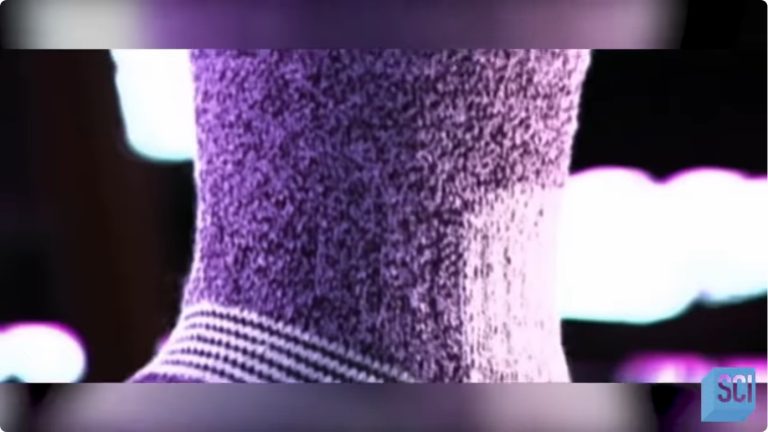
At its core, double brushed polyester is a finishing technique applied to a base fabric, most commonly a 100% polyester knit (like single Jersey or fleece). The term “double brushed” refers to the mechanical process where the fabric passes over a series of fine, stiff bristle brushes. This action raises the fibers on both sides of the fabric, creating a dense, soft, napped surface. The result is a material that is significantly softer and warmer than its unbrushed counterpart.
Helpful tip: What Is French Terry Material? A Practical Guide to the Fabric’s Construction, Uses, and Sourcing
It’s crucial to distinguish it from similar terms:
The journey starts with polyester filament yarns. These continuous synthetic strands are knitted or woven into a base fabric. This greige (unfinished) fabric then enters the brushing machine. The rollers with fine metal or bristle wires lift and tease the surface fibers, breaking their rigid alignment and forming a short, upright pile. The “double” part means this happens on both faces of the fabric, effectively trapping air in the middle layer. This trapped air is the primary source of its insulation. After brushing, the fabric typically goes through a finishing process (like steaming or calendering) to set the pile and enhance stability.
Double brushed polyester’s popularity is built on a specific set of advantages, but these come with inherent tradeoffs from its synthetic origin and brushed construction. Understanding this balance is key to proper application.
| Property | Advantage / Typical Outcome | Caveat / Tradeoff |
|---|---|---|
| Softness & Hand Feel | Exceptionally soft, warm, and “cozy” against the skin. Often described as having a “peach skin” or velvety texture. | The brushed pile can be prone to pilling (fuzzing) with abrasion and washing, especially on lower-quality, loosely-constructed fabrics. |
| Warmth | Excellent warmth-to-weight ratio due to air trapped in the pile. Warmer than a smooth knit of the same weight. | Not as breathable as wicking knits (like mesh) for high-intensity exercise. Can feel “stuffy” if worn in very warm, humid conditions. |
| Moisture Management | Polyester inherently wicks moisture away from the skin faster than cotton. The brushed surface can feel damp once saturated. | It does not absorb moisture (like cotton), so it can feel clammy during heavy sweat. It holds odor more than natural fibers due to oil-based sweat bonding to synthetic fibers. |
| Durability & Shrinkage | Polyester is strong, resistant to mildew, and has good dimensional stability. Minimal shrinkage when washed correctly. | The raised pile is more vulnerable to abrasion and snagging than a smooth surface. Heat can melt or shrink the fibers; high dryer heat must be avoided. |
| Care & Maintenance | Machine washable, quick-drying, and wrinkle-resistant. | Requires gentle handling to minimize pilling. Fabric softeners can coat fibers and reduce wicking/softness over time. Best air-dried. |
The property set of double brushed polyester makes it a champion in specific niches. Its use is a strategic choice based on the required end-use performance.
For designers and buyers, selecting the right double brushed polyester involves navigating specifications that go beyond simple “softness.” Use this checklist when evaluating fabric swatches or supplier specs.
Also read: The Complete Guide to Gauzy Linen Fabric: Properties, Uses, and Sourcing
No discussion of polyester is complete without addressing its environmental footprint. Polyester is derived from petroleum, is non-biodegradable, and its production is energy and water-intensive. The microfibers it sheds during washing are a significant source of marine microplastic pollution.
Mitigation Strategies:
From a care perspective, the cardinal rule is to avoid high heat. Tumble drying on high will melt the fibers, causing permanent shrinkage and a rough, hardened feel. Always use low heat or, ideally, air dry. Skip fabric softener, as its waxy residue can clog the fibrous structure, reducing softness and wicking ability over time.
You might be wondering about the direct comparison to other popular cozy fabrics. How does it stack up against cotton fleece? Cotton fleece will be softer initially and more breathable, but it will shrink more, wrinkle, and lose its loft faster. Against a lightweight wool like Merino? Wool is naturally temperature-regulating, odor-resistant, and biodegradable, but it’s more expensive, requires more delicate care, and is rarely as plush as a good double brushed polyester. The choice always depends on your priority: ultimate synthetic performance and easy care versus natural fiber benefits.
Double brushed polyester is not a magic fabric, but it is a brilliantly optimized one for a specific sweet spot: combining warmth, soft hand, moisture management, and low-cost care. Its success is a testament to engineering a textile that meets a massive consumer demand for comfortable, functional clothing and home goods. The key to success with it is understanding its limits—especially regarding heat, pilling, and high-exertion use—and selecting the correct weight and quality for the intended application. When used appropriately, it remains one of the most effective and versatile synthetic textiles in the apparel and home goods arsenal.
Related guide: Brushed Polyester Fabric: A Practical Guide to Properties, Uses, and Sourcing