Address
304 North Cardinal
St. Dorchester Center, MA 02124
Work Hours
Monday to Friday: 7AM - 7PM
Weekend: 10AM - 5PM
Address
304 North Cardinal
St. Dorchester Center, MA 02124
Work Hours
Monday to Friday: 7AM - 7PM
Weekend: 10AM - 5PM
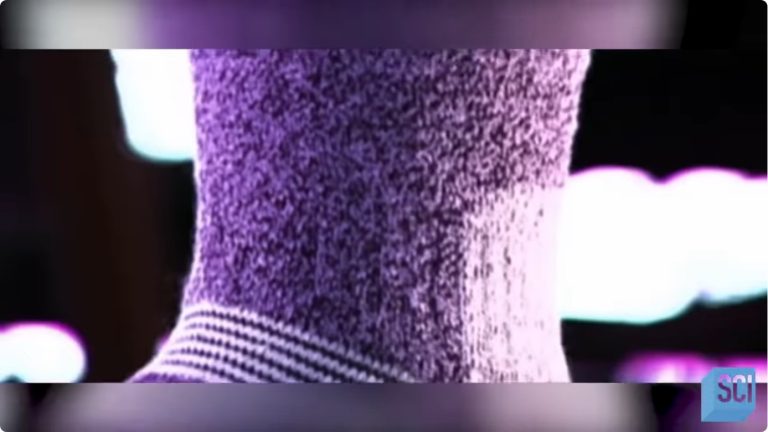
Seer sucker is instantly recognizable by its characteristic puckered surface, a texture created through a specific weaving or finishing process that causes some yarns to shrink more than others. When you combine this permanent, crinkled texture with printed design, you get seer sucker print—a fabric that offers a unique interplay of tactile relief and visual pattern. This combination isn’t just a stylistic choice; it presents specific technical challenges and advantages that designers, manufacturers, and sourcing professionals must understand to use it effectively. Whether you’re evaluating it for a summer garment line, a hospitality textile program, or a craft project, knowing how print interacts with the fabric’s three-dimensional surface is key to a successful outcome.
This guide moves beyond the basic definition to explore the production methods, performance implications, and practical decision-making required for working with printed seer sucker. We will break down the technical realities of printing on a textured substrate, compare common application methods, and provide a framework for sourcing and quality evaluation, ensuring you can determine if this distinctive material is the right fit for your specific needs.
Before diving into the details, here is a snapshot of the core concept. Printed seer sucker is a plain-woven fabric, traditionally cotton or a cotton blend, that possesses a permanent, localized puckering (the “seer sucker” effect) onto which a pattern is applied via pigment or dye printing. The print does not sit on a flat surface; it drapes over and into the textured hills and valleys, which fundamentally alters its visual and tactile properties compared to print on a smooth fabric like broadcloth or poplin.
| Aspect | On Smooth Fabric (e.g., Cotton Poplin) | On Seer Sucker Fabric |
|---|---|---|
| Print Registration | Sharp, precise alignment of multi-color patterns. | More challenging; texture can cause slight misregistration or “blurring” at the edges of pattern elements. |
| Color Intensity | Vibrant, uniform color coverage. | Can appear slightly muted or varied as ink pools in the fabric’s depressions and thins on the raised areas. |
| Hand (Feel) | Print adds a negligible layer to the surface. | The textured base dominates the hand; print may feel slightly stiffer in heavily printed areas but remains fundamentally a textured, breathable fabric. |
| Drape & Bulk | Drapes smoothly; low bulk. | Inherently more bulky and has a lively, non-fluid drape due to the puckering, which print does not diminish. |
| Primary Visual Effect | Pattern is the sole visual driver. | Pattern and texture work together; the print appears to be “etched” or “embossed” onto the crinkled surface. |
The signature crinkle of seer sucker is not an after-treatment like crêpe finishes; it is an inherent, permanent structural property. There are two primary methods:
The fabric is most commonly made from cotton or a cotton-polyester blend. Pure cotton offers excellent breathability and a natural hand, while blends can improve wrinkle resistance and dimensional stability. The puckering itself is what grants seer sucker its famous cooling properties—the elevated areas create micro-channels that allow air to circulate next to the skin, making it a classic choice for hot-weather workwear and summer dresses.
Before any print is applied, the base fabric’s characteristics set the stage:
Applying a design to seer sucker is not merely a scaled-down version of printing on a flat sheet. The three-dimensional surface requires specific adaptations in the printing process to achieve acceptable results. The choice of printing technology is the most critical decision.
The following table outlines the primary commercial methods suitable for seer sucker, highlighting their compatibility with the fabric’s texture.
| Printing Method | Process Summary | Best For Seer Sucker? | Key Considerations & Tradeoffs |
|---|---|---|---|
| Screen Printing (Flatbed) | Ink is pushed through a mesh stencil directly onto the fabric. | Excellent / Most Common | Ink deposit is thick and can bridge over minor texture variations, providing good coverage. Ideal for bold, solid-color designs. Multi-color registration can be tricky; requires precise screen alignment. Not cost-effective for small runs or complex photographic prints. |
| Rotary Screen Printing | Continuous process using cylindrical screens; fabric passes through at high speed. | Excellent / High-Volume | Superior for long runs (thousands of yards). Handles the fabric’s texture well due to constant, even pressure from the squeeze roller. Pattern design must be seamless in the machine direction. High initial setup cost. |
| Digital Printing (Pigment/Dye-Sublimation) | Inkjet technology sprays microscopic droplets of ink directly onto the fabric. | Good with Caveats | Excels at complex, multi-color, and photographic designs with no screen costs. However, the print head’s fixed height means it cannot fully conform to severe texture. Requires pre-treatment to help ink sit on top rather than sink into valleys. Results can be inconsistent on heavily puckered areas; a test swatch is mandatory. Best for finer, more subtle textures. |
| Heat Transfer / Vinyl | Design is printed onto a transfer paper or cut from vinyl, then heat-pressed onto fabric. | Poor / Not Recommended | The rigid transfer film will not adhere properly to the textured peaks and valleys, leading to cracking, peeling, and a stiff, unnatural feel. Avoid for garments. |
Regardless of the machine, several parameters must be optimized for seer sucker:
The unique look of printed seer sucker dictates where it works best and where it falls short.
Procuring printed seer sucker involves navigating a specialized segment of the textile supply chain.
You will typically work with one of two models:
Always request and evaluate a lab dip or strike-off (a sample print run) on the actual seer sucker base fabric before approving a bulk order. Evaluate it against this checklist:
The choice to use printed seer sucker should be a strategic one, balancing aesthetic desire with functional and economic reality. Ask yourself these final questions:
Printed seer sucker occupies a distinctive niche. It is not a substitute for standard printed shirting; it is a specialty material that offers a compelling blend of performance (coolness, wrinkle resistance) and casual aesthetic. Success hinges on respecting its inherent physical characteristics from the very first design sketch through to final quality approval. By understanding the interplay between the engineered puckering and the applied ink, you can harness its full potential and avoid the common pitfalls that lead to disappointing, flat-looking results.