When you slide into a soft, breathable sweater on a cool evening, the fabric’s character is often defined by its knit structure and fiber composition. The 100% cotton knit sweater represents a cornerstone of classic, comfortable casual wear, but it’s also a material with specific behaviors and trade-offs that every informed buyer, designer, or retailer should understand. It’s not simply a default choice; it’s a deliberate selection based on desired performance, feel, and longevity. This guide cuts through the ambiguity to explain exactly what defines this fabric, where it shines, where it struggles, and how to source a quality piece that lasts.
Unlike woven cotton, which is constructed with interlacing threads, knit cotton is made by interlocking loops of yarn. This fundamental structure grants it inherent stretch and柔软度 (softness) that woven fabrics can’t match without added elastane. A true 100% cotton knit sweater contains no synthetic fibers like polyester or nylon, nor does it include elastic fibers like spandex. This purity dictates its care requirements, its drape, and its ultimate wear life. Understanding these characteristics is key to avoiding disappointment—like a sweater that shrinks dramatically after the first wash or one that bags out at the elbows.
Whether you’re a consumer seeking the perfect wardrobe staple, a small business owner looking to stock reliable basics, or a designer specing materials, the decision to use or purchase a 100% cotton knit involves weighing its natural benefits against its practical limitations. We’ll break down the science, the real-world implications, and provide a framework for making a confident choice.
What Exactly Is a 100% Cotton Knit?
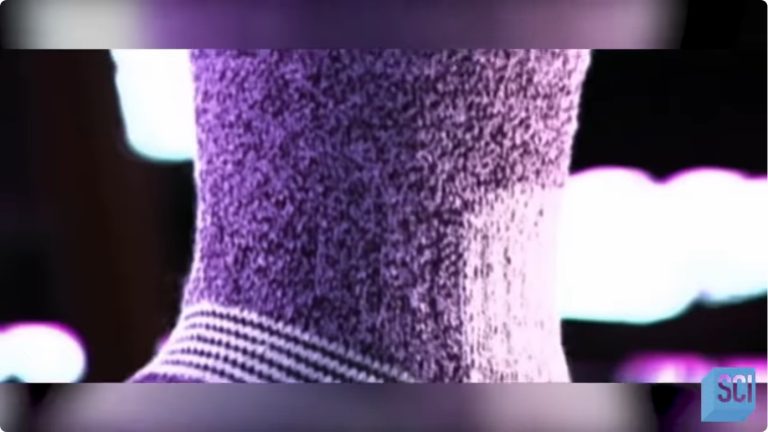
At its core, this fabric is created by knitting yarn made entirely from cellulose fibers derived from the cotton plant. The knitting process itself varies, creating different fabric types:
Jersey knit: The most common for sweaters and t-shirts. It has a smooth, flat face and a slightly textured back. It’s lightweight and has good drape but can be prone to curling at the edges.
Rib knit: Features vertical ridges (ribs). It’s more elastic and stable than jersey, often used for cuffs, necks, and sweater bodies where recovery is important.
Interlock knit: A double-knit fabric, essentially two jersey layers fused together. It’s thicker, more stable, and less prone to curling, with a smooth surface on both sides.
French terry: A knit with loops on one side (the inside) and a smooth surface on the other. It’s soft, absorbent, and has a casual, textured feel.
The choice of knit construction significantly impacts the sweater’s weight, feel, and performance. A lightweight jersey sweater will behave differently under the arm than a heavyweight interlock.
The Natural Advantages: Why Choose Pure Cotton Knit?
The appeal of 100% cotton knit is rooted in the inherent properties of the cotton fiber itself, expressed through the knit structure.
Breathability & Moisture Management: Cotton is hydrophilic, meaning it absorbs moisture (like sweat) into the fiber rather than wicking it to the surface. This allows for better air circulation next to the skin, making it comfortable in moderate climates. For those with sensitive skin or allergies to synthetics, it’s often a top choice.
Softness & Comfort: Properly finished cotton knit has a natural, comfortable hand feel that many find superior to synthetics against the skin. It softens with subsequent washes.
Hypoallergenic & Odor Resistant: Being a natural fiber, it’s generally less irritating and doesn’t harbor odor-causing bacteria in the same way hydrophobic synthetics can, though it can absorb body odor into the fiber.
Biodegradability: At the end of its life, a 100% cotton product will biodegrade much faster than a synthetic blend, an important consideration for sustainability-focused brands and consumers.
Dyeability & Printability: Cotton takes dye exceptionally well, allowing for deep, rich colors and complex prints. This is partly why it’s a staple in fashion.
The Trade-Offs and Limitations: Critical Caveats
No fabric is perfect, and the weaknesses of 100% cotton knit are directly linked to its strengths. Ignoring these leads to premature garment failure.
Shrinkage: This is the single biggest issue. Cotton fibers swell when wet and can contract during laundering and drying, especially with heat. A sweater not properly pre-shrunk (sanforized) can shrink 3-7% in length and width. Always check the care label for “Pre-Shrunk” or “Sanforized” and follow cold-water wash, low-heat dry instructions.
Wrinkling: Cotton knit wrinkles more readily than synthetic blends. It may require ironing to look crisp, though a casual, lived-in look is often acceptable.
Loss of Shape & “Bagging”: Over time, the knit loops can permanently deform under stress (like under the arms from reaching). The lack of elastane means recovery is limited. Heavyweight cotton sweaters are particularly susceptible.
Pilling: The surface of the knit can form small, tangled balls of fiber (pills) where friction occurs—cuffs, sides, and underarms. This is influenced by yarn quality, twist, and finishing. Short-staple, loosely spun yarn pills more readily.
Drying Time: While it absorbs moisture, this also means it holds water and takes longer to dry than synthetics, which can be inconvenient.
Comparative Overview: 100% Cotton Knit vs. Common Blends
Understanding the alternatives clarifies the value proposition of pure cotton. Here’s a practical comparison:
Property
100% Cotton Knit
Cotton/Polyester Blend (e.g., 60/40)
Cotton/Spandex Blend (e.g., 95/5)
Breathability
Excellent
Good to Fair (polyester traps moisture)
Good (spandex minimally affects)
Shape Retention
Poor to Fair
Fair to Good
Excellent
Wrinkle Resistance
Poor
Good
Fair
Shrinkage
High (if not pre-shrunk)
Low to Moderate
Low
Pilling Resistance
Fair to Poor
Good
Fair (spandex can surface)
Feel / “Natural”
Very Natural, Soft
Less Natural, Slightly Synthetic Hand
Natural Feel with Stretch
Note: Performance varies greatly based on yarn quality, knit construction, and garment finishing.
Care and Longevity: Non-Negotiable Practices
The lifespan of a 100% cotton knit sweater is determined 50% by its initial quality and 50% by how it’s cared for. Mismanagement guarantees disappointment.
A Care Checklist for Owners:
Wash Cold: Always use cold water (30°C / 85°F or below). Hot water causes fibers to swell and shrink.
Gentle Cycle: Use a gentle or permanent press cycle to reduce agitation, which can cause pilling and distortion.
Mild Detergent: Harsh chemicals and bleach degrade cotton fibers. Opt for a detergent designed for colors or delicates.
Low Heat or Air Dry: The cardinal rule. Tumble dry on low heat or, ideally, lay flat to dry. High heat from a dryer is the primary cause of irreversible shrinkage and weakening.
Store Properly: Fold sweaters rather than hanging them for long periods. Hanging can cause the knit to stretch irreparably under its own weight.
Pilling Management: Use a fabric shaver or sweater stone carefully to remove pills. Do not stretch the fabric while doing so.
Even with perfect care, a 100% cotton knit will show signs of age sooner than a synthetic blend. This is a feature of its natural, biodegradable composition, not necessarily a flaw.
Sourcing and Quality Evaluation: What to Look For
For businesses or discerning consumers, not all 100% cotton knit sweaters are created equal. Quality is a function of fiber, yarn, knit, and finish.
Fiber Origin & Staple Length: Longer-staple cotton (like Pima or Supima®) produces smoother, stronger yarns with less pilling. Look for these labels if premium quality is the goal. The National Cotton Council provides resources on fiber types.
Yarn Count & Twist: A higher yarn count (e.g., 30s, 40s) indicates a finer, smoother yarn. A tighter twist in the yarn increases strength and pilling resistance. This is harder for the average consumer to assess but can be felt—a tighter yarn feels crisper and denser.
Grams per Square Meter (GSM): This measures fabric weight. A lightweight summer sweater might be 180 GSM, while a winter sweater could be 300+ GSM. Heavier weights generally mean more durability and warmth but less drape.
Stitch Density & Construction: Examine the knit. Are the loops uniform? Is the fabric stable or does it distort easily? For ribbed areas (cuffs, hem), check for tight, even ribs that provide good recovery. Loose knitting leads to bagging.
Finishing: Look for a garment that has been fully-fashioned ( knitted in one piece with minimal seams) for better fit and less bulk. Seam quality is critical—they should be flat, smooth, and reinforced.
Pre-Shrunk Certification: Ask suppliers for proof of shrinkage testing (often ASTM D4964 or similar). A reputable textile testing lab can provide this. For wholesale, this is a must-have specification.
When a 100% Cotton Knit Sweater Is (and Isn’t) the Right Choice
The final decision hinges on the intended use and user priorities.
It’s an excellent choice for:
Warm-weather layering or standalone wear in climates where moisture-wicking is less critical than breathability.
Consumers with synthetic fiber sensitivities who prioritize natural materials.
Brands marketing a “conscious,” “natural,” or “heritage” aesthetic where the story of pure cotton aligns with their values.
Basic, timeless wardrobe staples meant for casual, non-athysical wear (e.g., a crewneck for weekend errands).
Consider a different fabric if:
The sweater is intended for high-exertion activities (hiking, gym) where rapid moisture-wicking is essential.
Minimal maintenance (wrinkle-free, no-shrink) is the top priority for a busy user.
The garment requires high levels of shape retention through repeated wear and washing (e.g., a uniform sweater worn daily).
The budget is very low; a cheap 100% cotton knit will often be thin, weak, and pill excessively. Sometimes a cheap blend outperforms a cheap pure cotton.
Still Unsure? Key Questions to Ask
Before finalizing a purchase or production run, clarify these points. A transparent supplier or retailer should have answers.
What is the GSM weight? A number is more informative than “lightweight” or “heavyweight.”
Is the fabric sanforized or otherwise pre-shrunk? Can you provide shrinkage test data?
What type of cotton is used? (e.g., Upland, Pima, Organic)
What is the knit construction? (Jersey, Rib, Interlock)
What is the yarn count and twist? (A higher number and tighter twist generally mean better quality).
What are the recommended care instructions? Do they align with the realistic expectations for a consumer?
The 100% cotton knit sweater endures because it fills a specific niche. It offers unparalleled comfort and breathability for everyday, low-stress wear at the cost of higher maintenance and a shorter functional lifespan than technical blends. By understanding its intrinsic properties, respecting its care needs, and scrutinizing its construction, you can either select a sweater that will become a beloved favorite or confidently specify a material that meets your project’s goals. It is, ultimately, a choice for authenticity over convenience.