Address
304 North Cardinal
St. Dorchester Center, MA 02124
Work Hours
Monday to Friday: 7AM - 7PM
Weekend: 10AM - 5PM
Address
304 North Cardinal
St. Dorchester Center, MA 02124
Work Hours
Monday to Friday: 7AM - 7PM
Weekend: 10AM - 5PM
Bamboo terry cloth is a fabric that frequently appears in searches for sustainable, ultra-soft, and highly absorbent textiles. But what exactly is it, how does it compare to traditional cotton terry, and where does it truly excel? This guide cuts through the marketing to provide a clear, practical overview for designers, product developers, and anyone sourcing performance fabrics for apparel or home goods. We’ll examine its construction, key benefits, significant trade-offs, and critical factors to consider when purchasing.
At its core, bamboo terry cloth combines the signature looped-pile texture of classic terry with fibers derived from bamboo. This fusion promises the plush, absorbent feel of a towel with the eco-friendly narrative and silky hand of bamboo. However, the reality involves important distinctions in manufacturing processes and material science that directly impact performance, cost, and environmental claims.
To understand bamboo terry, you must first understand two components: the fiber source and the weave structure.
You may also like: Soft Terry Cloth Fabric: Your Complete Guide to Texture, Selection, and Performance
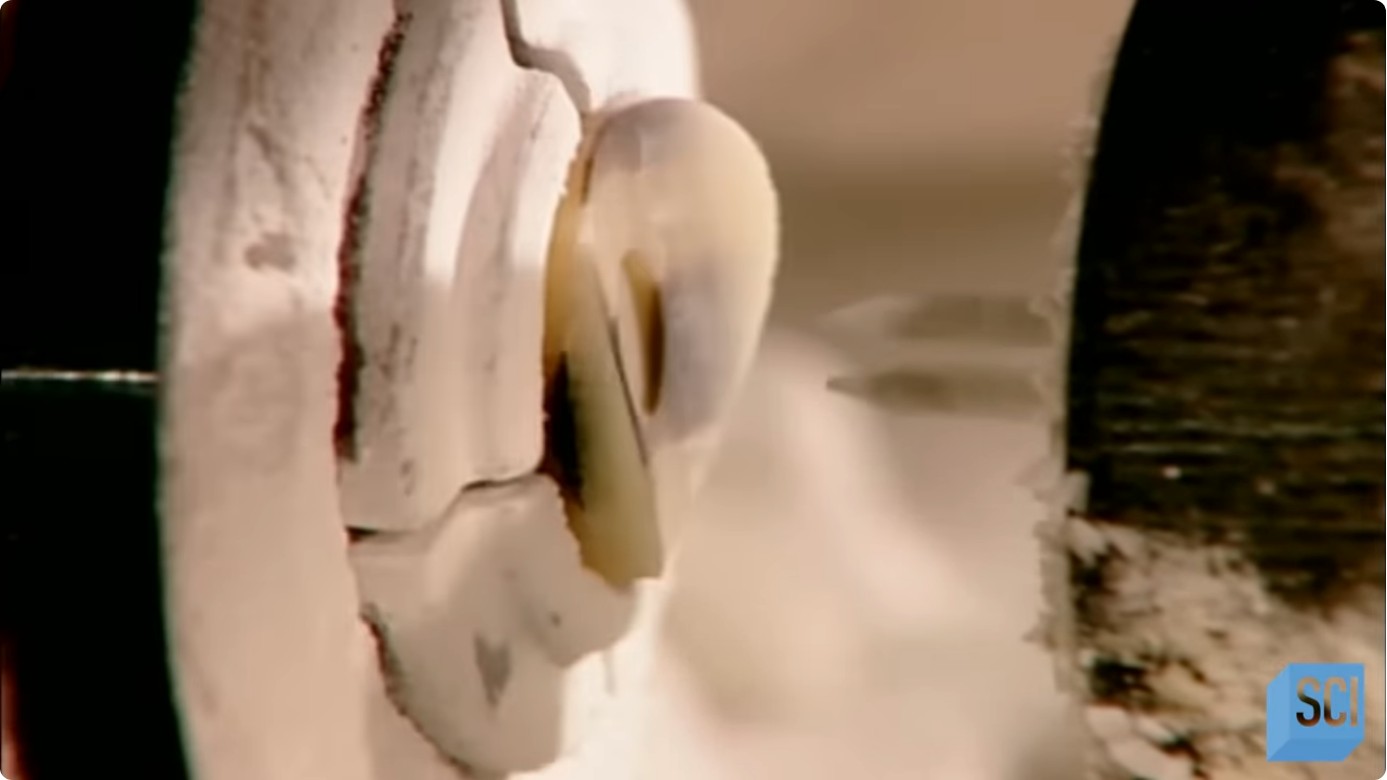
Bamboo is a fast-growing, low-input plant, but you cannot weave its raw, woody stalks into fabric. The stalks are broken down into a pulp using chemicals (typically sodium hydroxide and carbon disulfide) to extract the cellulose. This pulp is then extruded through spinnerets to create a filament. This process creates what is legally and chemically classified as viscose rayon or, if produced with a more environmentally conscious closed-loop solvent system, lyocell (often branded as Tencel™). Most bamboo fabric on the market is viscose. The EPA provides details on the viscose manufacturing process, which is energy and chemical-intensive.
“Terry” refers to the weave, not the fiber. It is characterized by uncut loops on one or both sides of the fabric. These loops create a large surface area for absorption. In terry cloth, the warp yarns (lengthwise) remain straight while the weft yarns (crosswise) form the loops. Bamboo terry can be:
Why choose bamboo terry? Its performance profile is distinct from traditional cotton terry or synthetic microfiber.
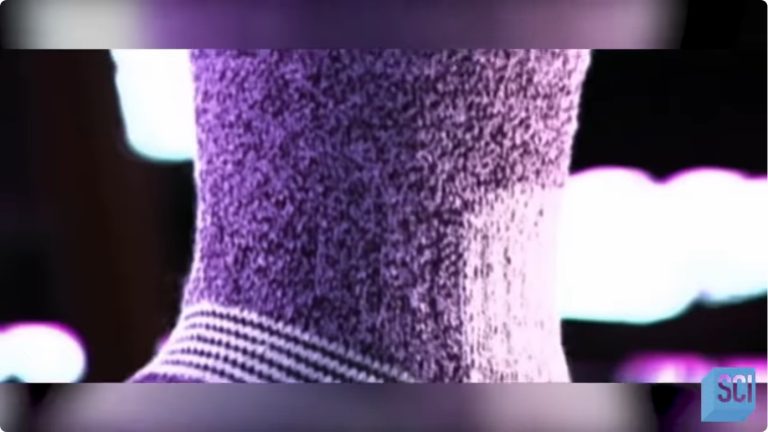
This is bamboo terry’s standout feature. The bamboo-derived fiber has a smoother, rounder cross-section than cotton, which reduces skin irritation. It feels luxurious against the skin, often compared to cashmere, making it ideal for baby products, bathrobes, and sensitive-skin apparel. This softness persists after washing better than non-brushed cotton.
Bamboo fiber is highly absorbent, pulling moisture away from the skin quickly. However, in a terry loop structure, cotton still holds the edge in raw water volume per gram. The advantage of bamboo is its wicking speed and its ability to feel dry to the touch sooner. In a bath towel, a bamboo-cotton blend terry will feel drier on the skin faster than a 100% cotton towel of the same weight, even if the cotton ultimately holds marginally more total water.
Bamboo contains a substance called “bamboo kun,” an antimicrobial agent that persists in the finished fiber. This helps inhibit the growth of odor-causing bacteria and fungi. For activewear, towels used in humid environments, or travel accessories, this is a significant benefit. Independent tests, such as those from Textile Exchange, validate these properties in lyocell and viscose fibers, though efficacy can diminish with repeated harsh washing.
You cannot discuss bamboo fabric without addressing sustainability. The narrative is complex and full of caveats.
Practical Sourcing Advice: Always ask for the specific fiber type and certification. “Bamboo” alone is meaningless. Look for “Tencel™ Lyocell,” “FSC-certified bamboo viscose,” or “Oeko-Tex Standard 100” on product specifications. Be skeptical of generic “eco-friendly” claims.
Here’s a side-by-side breakdown of how bamboo terry stacks up against its primary competitors in common applications.
Related guide: Understanding Cotton Fleece Texture: A Practical Guide for Buyers and Makers
| Feature | Bamboo-Cotton Blend Terry | 100% Cotton Terry | Microfiber (Polyester) |
|---|---|---|---|
| Initial Softness | Excellent (silky, plush) | Good (improves with washing/brushing) | Fair (can feel waxy/slick) |
| Absorbency (Speed) | Very Good (wicking) | Excellent (total capacity) | Good |
| Durability/Loop Stability | Good (cotton content helps) | Excellent | Excellent |
| Odor Resistance | Very Good (natural property) | Fair (can retain odors when damp) | Poor (traps odors) |
| Drying Time | Faster than cotton | Slowest | Fastest |
| Environmental Profile | Mixed (depends on processing) | High impact (water, pesticides) unless organic | Poor (petroleum-based, microplastics) |
| Cost | Higher than cotton | Baseline | Low |
Choosing bamboo terry is a decision based on prioritizing specific properties.
Where to Avoid It: Heavy-duty industrial cleaning cloths, cheap disposable towels, or applications requiring maximum heavyweight absorbency (like a thick beach towel) where 100% cotton is more cost-effective and robust.
When evaluating bamboo terry for production, vague specifications lead to poor quality and greenwashing claims. Use this checklist.
Bamboo terry is not indestructible. Its care dictates its lifespan.
Bamboo terry cloth is a specialized material that excels in applications where supreme softness, rapid moisture wicking, and natural odor resistance are the top priorities. It is not a direct, drop-in replacement for all-cotton terry and comes at a higher cost. Its environmental story is only as good as its manufacturing process—prioritize certified lyocell or transparently sourced viscose. For a balanced product that offers bamboo’s benefits with cotton’s durability, a 60/40 or 70/30 bamboo-cotton blend is the industry sweet spot. Always request detailed specifications and samples before committing to a large wholesale order.
Is bamboo terry cloth truly eco-friendly?
It’s complicated. The bamboo plant is sustainable, but the chemical processing to create viscose rayon is not. The most eco-friendly option is certified lyocell made with a closed-loop system. Always look for third-party certifications (FSC, Oeko-Tex) to verify claims.
How does bamboo terry compare to cotton in absorbency?
High-quality 100% cotton terry can hold more total water by weight. However, bamboo terry (especially blends) wicks moisture away from the skin faster and feels drier to the touch sooner. For a towel, this means a quicker “dry feel” but potentially slightly less total water capacity.
Will bamboo terry shrink?
Yes, bamboo viscose/rayon has a higher shrinkage rate than cotton (typically 5-10%). Products should be pre-washed/shrunk by the manufacturer. For end-users, washing in cool water and drying on low heat minimizes further shrinkage.
Is it worth the higher cost?
It depends on your value proposition. If your customer is paying for next-to-skin softness (baby, luxury spa, high-end activewear) and you can clearly communicate the material’s benefits and certifications, the premium is justified. For utilitarian, heavy-duty use, it is not.
Also read: Cotton Heavy Twill: A Practical Guide to Weight, Weave, and Application