When you need a fabric that can take abuse without sacrificing a classic, structured look, cotton heavy twill is a material that consistently answers the call. It’s the chosen textile for rugged workwear, durable home goods, and timeless casual apparel. But what exactly makes it “heavy,” and how do you know if it’s the right choice for your next project or purchase? This guide cuts through the jargon to break down the essential characteristics, real-world trade-offs, and key considerations for working with or sourcing this stalwart fabric.
Unlike its lighter cousins used in poplin shirts or chinos, heavy twill is defined by a combination of substantial yarns and a dense diagonal rib weave. This construction gives it a signature texture, excellent durability, and a weight that provides inherent structure. Understanding these properties is crucial, as the term “heavy” covers a spectrum that significantly impacts drape, comfort, and ideal use case. Whether you’re a designer, a small business owner, or an informed consumer, knowing the specifics helps you match the material to the task.
What Matters Most: The Core Triad of Weight, Weave, and Wear
Before diving into specifics, three interconnected factors define cotton heavy twill and should guide every decision about it. Think of them as a filter for evaluating any sample or specification.
Fabric Weight (GSM): This is the non-negotiable starting point. Measured in grams per square meter (gsm), it quantifies “heaviness.” For apparel, twill generally starts feeling “heavy” around 280 gsm and can go well beyond 400 gsm for industrial applications. A 300 gsm twill will behave entirely differently from a 380 gsm version.
Weave Density & Yarn Count: The tightness of the weave (ends per inch and picks per inch) and the thickness of the yarns (like a 10s or 7s count, where lower numbers are thicker) work with the weight to create durability. A heavy fabric with a loose weave may still abrade easily, while a medium-weight fabric with an extremely tight weave can feel stiff and dense.
Fiber Purity & Finishing: 100% cotton is the baseline, but blends (e.g., cotton/polyester) alter feel and performance. Post-weaving finishes like sanforization (pre-shrinking), softening, or durable water repellent (DWR) coatings dramatically change the fabric’s final hand and function.
A fabric’s true character emerges from the interplay of these three elements. A 350 gsm, 100% cotton, tightly woven, pre-shrunk twill will be vastly different from a 320 gsm, cotton/poly blend with a looser weave and a soft finish.
Deconstructing the Twill Weave: The Diagonal Rib
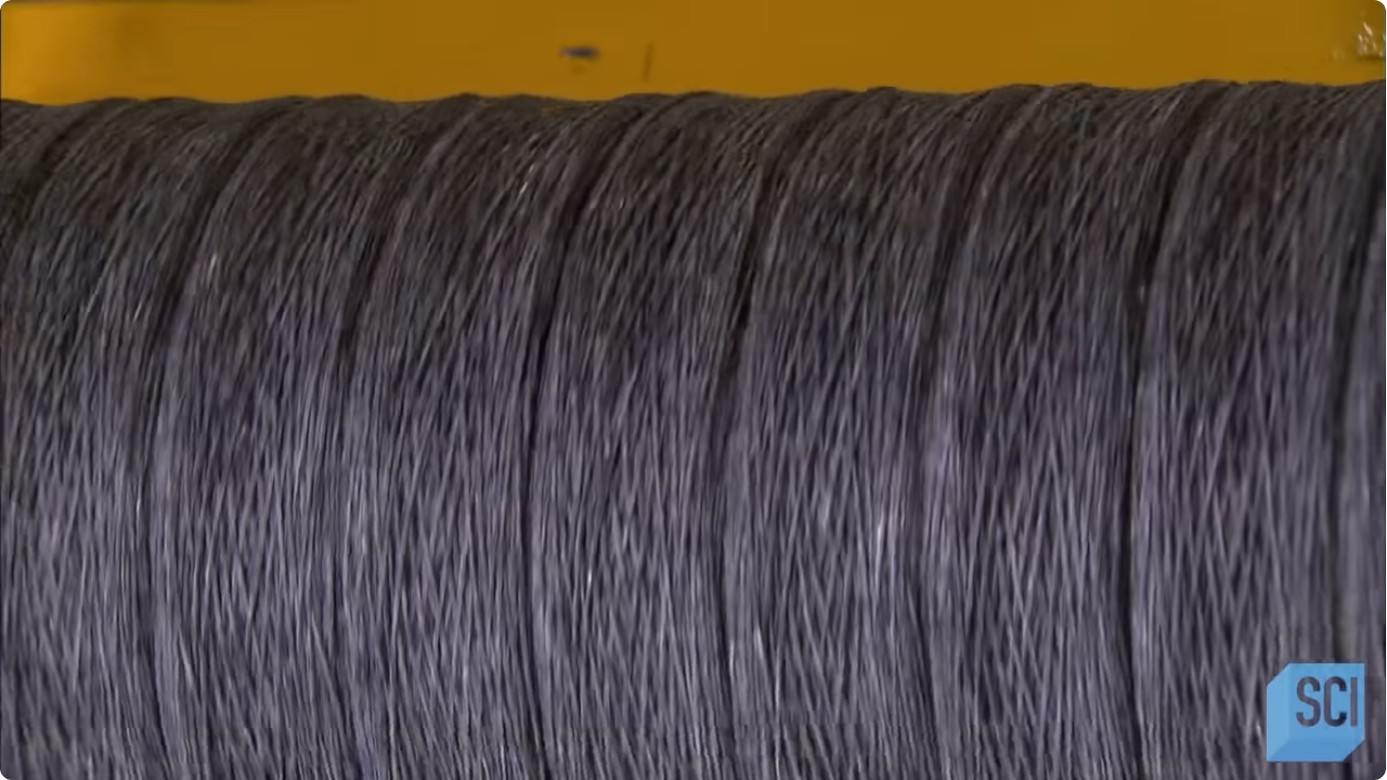
The magic of twill—heavy or light—lies in its weave structure. Instead of a simple over-one-under-one pattern like a plain weave, twill uses a stepped pattern where the weft thread floats over one or more warp threads, then under two or more, creating a distinct diagonal line or “wale” on the surface. This is often called a 2/1, 3/1, or 2/2 twill, where the first number is the number of warp threads the weft floats over, and the second is the number it floats under.
In a heavy cotton twill, this structure is executed with thicker yarns and often a higher thread count per inch to pack those thick yarns together. The floating nature of the weave means fewer yarn intersections per square inch compared to a plain weave, which contributes to its characteristic drape and softness relative to its weight. However, it also means the floats are more susceptible to snagging. The diagonal pattern also makes the fabric more directionally strong—it resists tearing better along the rib than across it.
Common Twill Variations You Might Encounter
Denim: The most famous twill, typically an indigo-dyed 3/1 warp-faced twill where the weft threads are white. Heavyweight denim (12 oz and above) is a subset of cotton heavy twill.
Duck/Canvas: While often a plain weave, some durable ducks use a twill weave (like broken twill) for added texture and strength. It sits in a similar weight and use category.
Gabardine: A tightly woven, water-repellent worsted wool twill, but the term is sometimes applied to cotton versions for a similar tight, durable, diagonal effect.
The Weight Spectrum: From Sturdy to Substantial
Classifying “heavy” is subjective, but in the world of cotton twill apparel and utility fabrics, a practical breakdown helps. The following table illustrates common weight categories and their typical applications, based on industry-standard classifications for woven cotton fabrics.
Weight Category (gsm)
Typical Feel & Drape
Primary Applications
280 – 320 gsm (Light Heavy)
Substantial but still has good drape. Can be used for structured casualwear.
Noticeably stiff initially, breaks in with wear. Good body and structure.
Traditional workwear (jackets, overalls), heavy-duty bags, upholstery, chef coats, classic jeans (non-denim).
381+ gsm (Extra Heavy)
Rigid, minimal drape. More akin to a thick canvas.
Industrial aprons, heavy tool bags, tarpaulin-like covers, outdoor gear (tote bags), some boot uppers.
Note: These are general guidelines. A 380gsm mercerized cotton twill will feel smoother and have more sheen than a 350gsm unmercerized version.
Real-World Applications and Trade-offs
The choice to use cotton heavy twill is almost always a decision for durability and a specific aesthetic. But every benefit has a corresponding consideration.
Workwear & Outerwear: Its resistance to abrasion and tearing makes it ideal for jackets, trousers, and coveralls. The trade-off is reduced breathability compared to lighter weaves. In hot, active conditions, it can feel warm and clammy. Look for ASTM-standardized testing for tear and burst strength if performance is critical.
Bags & Luggage: The structure holds shape beautifully, and the fabric withstands scuffs and rough handling. However, its weight adds significant bulk and mass to the final product. A heavy twill tote is sturdy but not packable.
Home Textiles: Used for slipcovers, throw pillows, and heavier curtains. The durability is a major plus for high-traffic areas. The con is difficulty in cleaning—heavy fabrics take longer to dry and may require commercial laundering to avoid residual moisture and mildew.
Footwear Uppers: Found in casual sneakers and work boots. Provides excellent support and shape retention. The stiffness can require a break-in period and may not conform to the foot as quickly as softer materials.
Care, Longevity, and the Myth of “Indestructible”
A common misconception is that heavy twill is maintenance-free. Proper care is what separates a fabric that lasts 5 years from one that lasts 20.
Essential Care Checklist
Pre-wash/Pre-shrink: Always check if the fabric is sanforized. Non-sanforized heavy cotton can shrink 5-10% in the first wash, ruining garment dimensions. For custom projects, pre-wash your fabric bolt.
Washing Temperature: Use cold or warm water. Hot water accelerates fading (especially with dyed yarns like denim) and can set stains. For workwear with grease or oil stains, pre-treat with a degreaser before washing.
Drying: Tumble dry low. High heat causes excessive shrinking and can weaken cotton fibers over time. Air drying is preferable for longevity but is impractical for very heavy items that hold moisture. Ensure the fabric is completely dry before storing to prevent mildew.
Ironing/Steaming: Heavy twill wrinkles prominently. A hot iron with steam works well. For a crisp look, iron while the fabric is still slightly damp. For a softer, lived-in look, embrace the wrinkles.
Remember, heavy does not mean impervious. UV exposure will eventually degrade cotton fibers, causing fading and weakening. Abrasion against rough surfaces (like concrete or unfinished wood) will cause pilling and surface wear. The goal is to manage these wear vectors through good design and care.
Sourcing and Selection: What to Ask Your Supplier
Whether buying by the yard or sourcing finished goods, asking the right questions is key. Fabric specifications should be clear and measurable.
Demand the GSM: Don’t rely on terms like “heavy” or “duck.” Ask for the exact grams per square meter. A reputable supplier will have this data.
Inquire about Yarn Count and Weave Density: Ask for the warp and weft yarn count (e.g., 14s x 14s) and the thread count (e.g., 96 x 52). This tells you about the fabric’s build quality. A higher thread count for a given weight indicates a finer, tighter weave.
Clarify the Finish: Is it untreated, sanforized, mercerized (for sheen and strength), or coated? A DWR finish is crucial for outdoor applications but will wear off and need reapplication.
Request a Sample and Test It:Never skip this. Feel the hand, drape it over your hand, try to tear it diagonally and perpendicular to the rib. Abrade it against itself. Wash and dry the sample according to your intended care routine. This empirical test is the only way to truly know.
Certifications for Performance: If sourcing for uniforms or safety gear, ask about NFPA or CPSC compliance for flame resistance, or OEKO-TEX Standard 100 for有害物质(harmful substances)if relevant to your market.
Final Thoughts: Is Heavy Twill Right for You?
Cotton heavy twill is not a trendy fabric; it’s a workhorse. Its value proposition is straightforward: longevity, structure, and a timeless aesthetic. The decision to use it should be driven by functional needs first. If your product requires a fabric that will be dragged on the ground, scrubbed, or subjected to daily friction, heavy twill is a prime candidate. If your priority is lightweight packability, maximum airflow, or a silky drape, you should look elsewhere.
The “heavy” in its name is both its greatest strength and its primary limitation. Embrace the weight for the durability and presence it provides, but plan for the care, break-in period, and reduced flexibility it entails. By understanding the specifications and testing rigorously, you can leverage this classic textile to create products that are genuinely built to last.
Your Questions, Answered
Can I make a summer jacket from heavy twill? You can, but it’s not ideal. At weights above 320 gsm, it will be uncomfortably warm. For warmer climates, look for a lighter weight (260-300 gsm) twill in a looser weave or a cotton-linen blend.
Is cotton/poly blend twill “better” than 100% cotton? It depends on the definition of “better.” A blend (common ratios: 65/35 or 50/50) adds wrinkle resistance, faster drying, and often enhanced abrasion resistance. It sacrifices some of cotton’s breathability, natural feel, and biodegradability. For work uniforms, blends are often preferred. For heritage-style goods, 100% cotton is typically specified.
How do I stop my heavy twill bag from stretching out? The structure of twill generally resists stretching, but sagging at stress points (like strap attachments) can occur. Reinforce high-stress areas with bar-tacking or additional fabric layers. Using a heavier weight twill (380+ gsm) for the base and straps will also minimize stretch.
What’s the difference between heavy twill and canvas? While both are heavy and durable, canvas is almost always a plain weave (over-under), giving it a smoother, more even surface and a stiffer hand. Twill has the diagonal rib, which gives it a softer drape and often a more textured look. Their use cases overlap heavily in bags and outerwear.