Address
304 North Cardinal
St. Dorchester Center, MA 02124
Work Hours
Monday to Friday: 7AM - 7PM
Weekend: 10AM - 5PM
Address
304 North Cardinal
St. Dorchester Center, MA 02124
Work Hours
Monday to Friday: 7AM - 7PM
Weekend: 10AM - 5PM
When you search for “gold color fabric,” the results span everything from shimmering evening gown material to subtle performance wear. The term encompasses more than just a hue; it describes a category defined by how the gold effect is achieved and what base material it’s applied to. For designers, makers, and buyers, understanding these distinctions is critical. The wrong choice can mean a garment that lacks luster, doesn’t perform, or fails to meet cost targets. This guide cuts through the ambiguity, breaking down the technical pathways to gold, the material trade-offs, and the practical considerations for sourcing the right fabric for your specific project.
We’ll move beyond simple color swatches to examine the construction, performance implications, and typical applications of true gold textiles. Whether you’re sourcing for high fashion, activewear, or home decor, knowing the terminology—like lame, lamé, metallics, and gold-toned weaves—will directly impact your product’s quality, durability, and cost.
Gold in textiles isn’t typically a single, naturally occurring dye. It’s an effect engineered through one of several primary processes. The method chosen dictates everything from hand and drape to washability and cost.
This is the most integrated and often highest-quality approach. Metallic fibers (typically polyester or nylon coated with a metallic film, like aluminum or gold-colored metal) are spun or twisted with natural or synthetic yarns (cotton, silk, polyester) during the yarn-making phase. The resulting yarn is then woven or knitted into fabric.
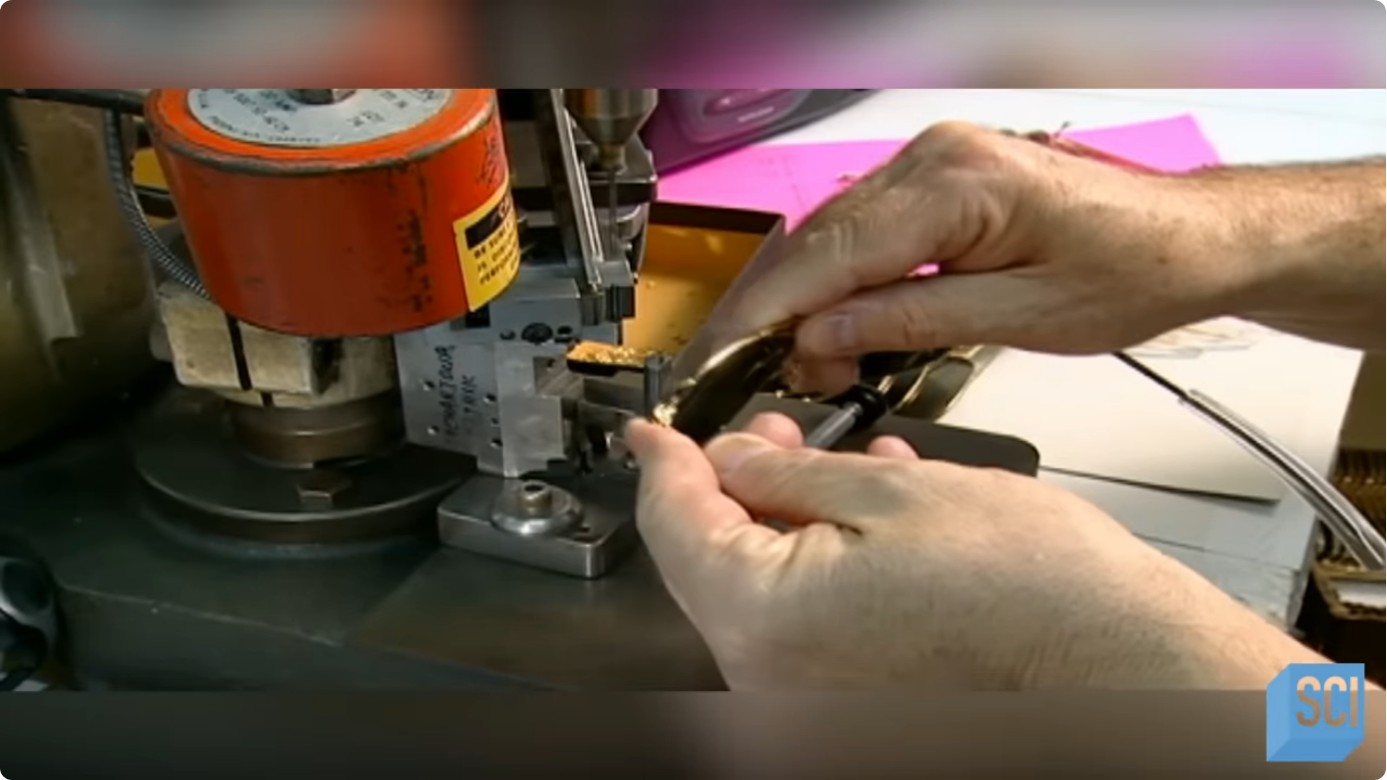
Here, a base fabric (often a synthetic like polyester or nylon) receives a topical application. This can be a printed gold pattern, a spray coating, or the application of foil.
Some fabrics achieve a gold-like sheen without actual metallic components. This is done through fiber selection (e.g., using silk or high-luster polyester), specific weave structures (like a leno or gauze that catches light), or finishes like mercerization or calendering.
The foundation fabric profoundly influences the final product’s performance, feel, and care instructions. Choose your base first, then decide on the gold application method.
| Base Material | Typical Gold Treatment | Best For | Key Considerations |
|---|---|---|---|
| Polyester/Nylon | Almost all methods: metallic yarns, prints, coatings, foil. | Activewear, outerwear, costumes, home decor, bags. | Highly durable, wrinkle-resistant, easy care. Can feel less “luxe” than natural fibers. Some coated versions lack breathability. |
| Silk | Yarn-dyed metallic threads, gold-dyed silk, gold prints. | Evening wear, bridal, luxury scarves, high-end decor. | Excellent drape and hand. Delicate, requires dry cleaning. Metallic yarns can make it slightly stiffer. |
| Cotton/Linen | Prints, coatings, metallic yarn blends (less common). | Casual apparel, shirts, upholstery, bags. | Breathable and comfortable. Metallic coatings may crack; metallic yarns can reduce softness. Often requires gentle washing. |
| Wool/Wool Blends | Metallic yarns in tweed or bouclé, gold prints. | Suits, jackets, heavy-duty decor, festive wear. | Warm, resilient. Metallic additions can affect wool’s natural breathability and feel. May require dry cleaning. |
Gold fabrics almost always involve a compromise. A brilliantly shiny, foil-stamped polyester might look perfect for a photo shoot but could become a cracked mess after a single wash. A subtle, yarn-dyed gold silk will feel incredible but will cost a premium and demand special care.
Ask these critical questions before specifying a fabric:
Sourcing gold fabric introduces specific challenges beyond standard textiles. Here’s what to anticipate.
Specialty gold fabrics, especially those with custom metallic yarn blends or proprietary coatings, often have higher MOQs from mills. Stock metallic brocades may have lower MOQs from converters or jobbers. Always clarify MOQs upfront.
More advice: Seer Sucker Fabric: The Wrinkled Wonder of Breathable Style
Creating a custom gold print or developing a unique metallic yarn blend requires significant lead time—often 8-12 weeks or more for production and shipping. For a faster turnaround, explore:
Look for suppliers who specialize in:
Always request physical swatches. Photos and videos cannot accurately convey the true hand, drape, and sheen of a gold fabric.
Before you commit to a gold fabric, run through this list. It will force you to confront the practical realities of your choice.
“Is gold fabric always tacky?” Not at all. The perception of “tackiness” usually comes from overuse of a cheap, overly shiny foil on an inappropriate base. A finely woven gold silk or a tasteful gold heather knit can be exceptionally elegant. The key is moderation and quality.
“Can I wash a gold dress?” It depends entirely on the construction. A garment made from a high-quality, yarn-dyed gold silk or a metallic-blend knit with a gentle cycle may be washable. A garment with foil printing or delicate metallic lace is almost certainly dry-clean only. The garment’s care label is the final authority, not the fabric’s generic description.
“What’s the difference between lame and lamé?” Functionally, nothing. “Lamé” is the French spelling adopted into English. Both refer to a fabric woven with metallic threads. However, “lame” (without the accent) is sometimes used colloquially to describe any shiny fabric, which can be misleading.
“Is there a performance gold fabric for the gym?” Yes, but it’s niche. Some performance fabric manufacturers produce moisture-wicking polyester knits with metallic yarns woven in (often as a subtle stripe or pattern) for reflective, low-shine accents on running tights or jackets. These are engineered to maintain stretch and breathability. They are not the same as costume lame.


