Address
304 North Cardinal
St. Dorchester Center, MA 02124
Work Hours
Monday to Friday: 7AM - 7PM
Weekend: 10AM - 5PM
Address
304 North Cardinal
St. Dorchester Center, MA 02124
Work Hours
Monday to Friday: 7AM - 7PM
Weekend: 10AM - 5PM
Choosing a sewing pattern for a child’s garment involves more than just picking a cute design. It’s a decision that sits at the intersection of fit, fabric performance, safety, and the very real wear-and-tear of childhood. A pattern drafted for an adult body, even with scaled-down measurements, often fails to account for a child’s proportions—like a longer torso relative to leg length, or the need for extra room in the diaper area for toddlers. Similarly, the fabric you pair with that pattern must meet a rigorous, if unwritten, set of criteria: it must be comfortable against sensitive skin, durable enough for repeated washing and adventurous play, and, for certain ages, compliant with mandatory safety standards. This guide moves beyond the basic envelope to explore how to select, adapt, and execute children’s sewing patterns with a professional understanding of textile properties and construction techniques.
We’ll break down the specific elements that make a pattern truly suited for a child, how to decode fabric labels for kid-friendly performance, and the critical adjustments that transform a simple sew into a garment that lasts. Whether you’re sewing for your own family or considering a small batch for a local market, understanding these fundamentals is the key to creating clothing that is both loved and wearable.
A common beginner mistake is taking an adult pattern and simply grading it down. While mathematically possible, this approach overlooks fundamental anatomical and functional differences. Children’s patterns are engineered with distinct growth considerations and activity ranges. For infants and toddlers, patterns include diaper/training pant ease—extra room in the seat and lower torso—that an adult pattern lacks. For all ages, the neckline and shoulder slope are typically shorter and less pronounced, as a child’s head is proportionally larger relative to their body. sleeve caps are often less curved to accommodate a smaller, less muscular arm.
Furthermore, children’s patterns from reputable brands (like Oliver & S, Thread Theory, or Peek-a-Boo Pattern Shop) incorporate construction details for durability and safety. These might include:
A pattern’s success is 50% design and 50% fabric. A pattern drafted for a stable woven shirting will drape and fit entirely differently in a fluid, slinky rayon. For children’s clothing, fabric choice becomes even more consequential because it must satisfy multiple, sometimes competing, requirements. You need to balance comfort (softness, breathability), performance (durability, stain resistance, ease of care), and safety (flame resistance, absence of harmful chemicals).
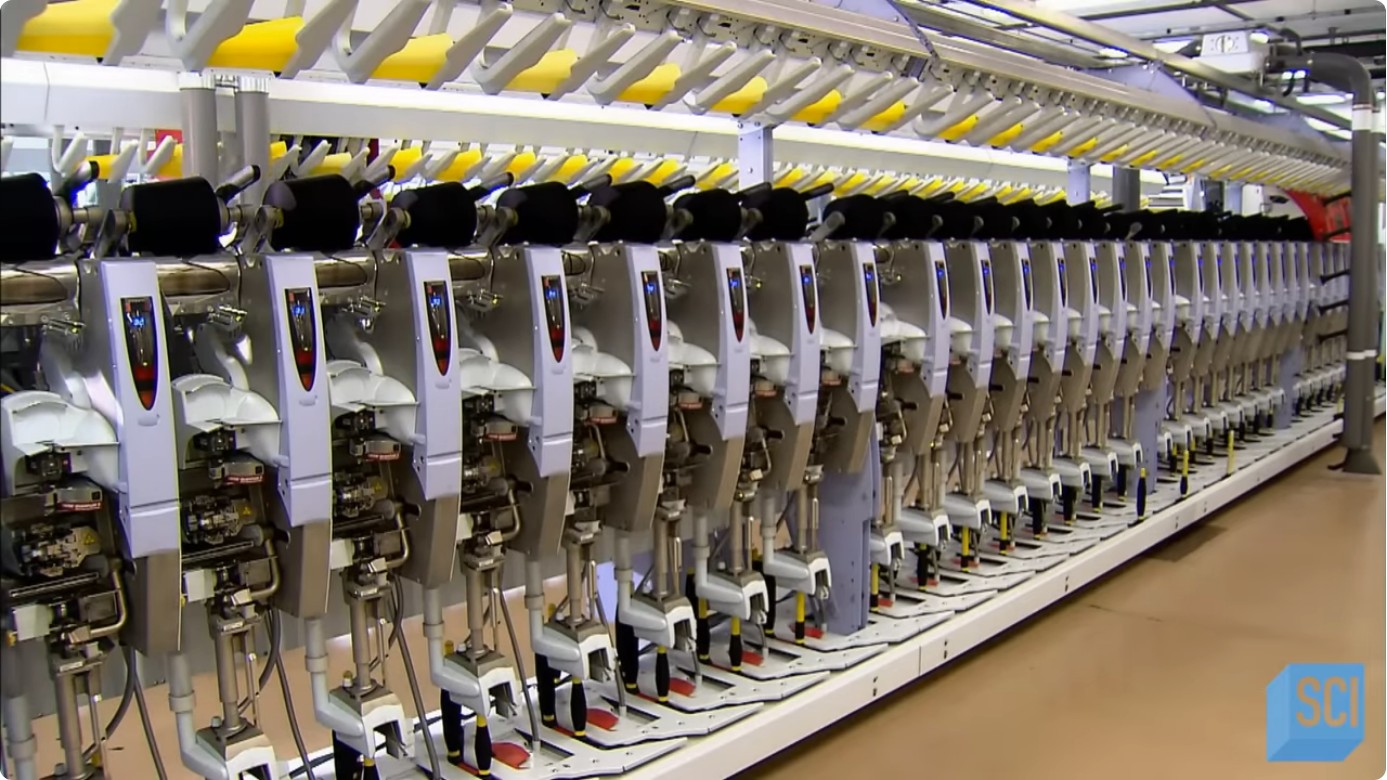
Consider this scenario: You’re sewing a pair of trousers for an active preschooler. A pattern might call for “medium-weight woven.” Choosing a stiff 100% cotton drill will be durable but potentially rough and hot. A soft bamboo-cotton blend will be comfortable but may wear through at the knees too quickly. The optimal choice is often a tightly woven cotton-polyester blend (like a 65/35 poplin or twill). The polyester component significantly improves abrasion resistance and wrinkle recovery, while the cotton provides breathability and softness. This is where understanding fabric composition and weave directly informs your pattern execution.
Matching the inherent properties of a fabric to the garment’s purpose is the hallmark of a skilled sewist. Below is a practical reference for common children’s clothing categories, the fabric properties they demand, and specific material recommendations.
| Garment Type | Primary Needs | Recommended Fabric Types | Key Trade-offs / Notes |
|---|---|---|---|
| Everyday Play Pants & Overalls | High abrasion resistance, ease of movement, stain concealment, machine washability. | Canvas, heavy cotton twill, cotton-polyester blends (65/35), corduroy. | Pure canvas can be stiff; pre-wash is essential. Twill offers good drape. Dark colors in cotton blends hide stains best. |
| T-Shirts & Activewear | 4-way stretch, moisture-wicking, softness, shape retention after washes. | Cotton-spandex jersey (95/5), performance polyester-spandex knits, bamboo-cotton jersey. | 100% cotton jersey will bag out and fade. For high-sweat activities, a moisture-wicking synthetic blend is superior. Check for OEKO-TEX Standard 100 certification for chemical safety. |
| Pajamas & Sleepwear | Flame resistance (for sizes 0-9X in US), softness, comfort for all-night wear. | Flame-resistant (FR) cotton or cotton-polyester blends (often with special chemical treatments), tight-weave cotton flannel, silk (for older children, not for infants). | This is non-negotiable for regulated sleepwear sizes. Use only fabrics explicitly labeled as passing 16 CFR Parts 1615 and 1616. Never use loosely woven or highly flammable fabrics like untreated cotton muslin. |
| Dresses & Special Occasion | Drape, aesthetic detail, comfort, ability to layer. | Cotton poplin, linen, chambray, velveteen, lightweight woven cotton with a soft hand. | Linen wrinkles profoundly—consider a linen-cotton blend. Stiff fabrics like taffeta are generally uncomfortable for children. Prioritize natural fibers for breathability during long events. |
Even the best children’s pattern will sometimes need tweaks. The most valuable adjustment skill is lengthening hemlines and sleeves. Most pattern pieces have a “lengthen/shorten here” line. For a child who is tall for their age, adding 1/2″ to 1″ at this line can add crucial wear time. For pants, extending the crotch curve slightly (a “long seat” adjustment) can prevent wedgie discomfort and accommodate diaper bulk in toddlers.
Another crucial adjustment is adding growth room through side seams rather than just scaling up the entire pattern. This involves splitting the side seam of a bodice or pants leg and adding a small wedge of fabric (e.g., 1/4″ at the waist, tapering to 0″ at the underarm or thigh). This preserves the pattern’s intended shape and design lines while providing extra width for a bit of extra growing room.
This cannot be stressed enough: always pre-wash and dry your fabric using the same cycle you will use for the finished garment. Cotton, linen, and cotton blends can shrink dramatically—sometimes 5-10% in the wash. Sewing a dress to fit perfectly in unstressed fabric, then washing it, can result in a garment that is too short and too tight. Pre-washing eliminates this surprise and allows you to press and cut with confidence. For wool or wool blends, steam pressing is often sufficient to pre-shrink, but a gentle hand-wash test is wise.
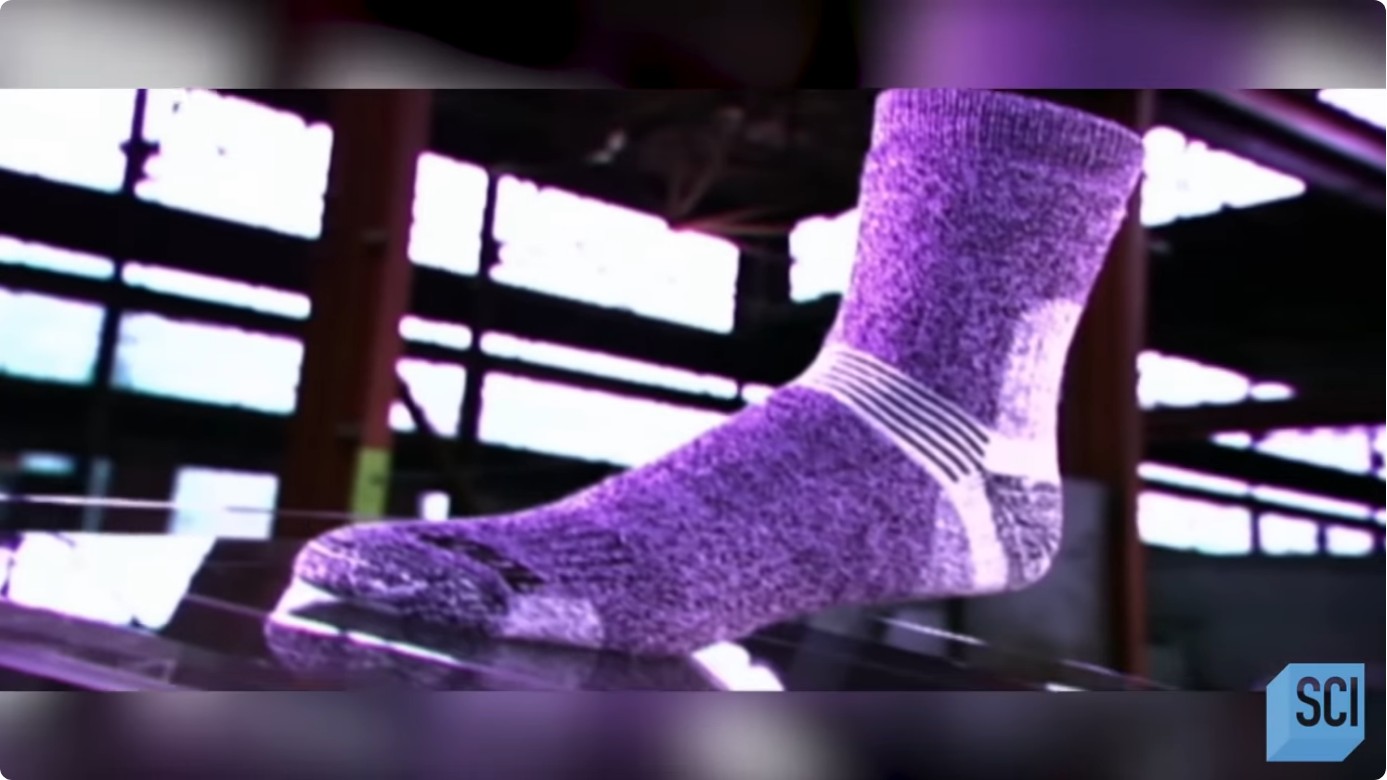
For the occasional project, a local fabric store or online retailer is fine. But if you’re sewing frequently for a child, or producing items to sell, sourcing becomes a practical concern. Wholesale fabric suppliers like Fabric.com (now part of Amazon), Direct Textile Store, or specialized children’s fabric wholesalers offer significant cost savings for quantities typically starting at 5-10 yards per bolt.
When buying wholesale, pay close attention to:
Before you cut, run through this mental or physical checklist to avoid common pitfalls.
As you select your next children’s pattern and fabric, pause to consider these nuanced questions that often separate a good result from a great one:
Sewing for children is a deeply rewarding craft that combines technical skill with heartfelt intention. By respecting the unique requirements of children’s anatomy and the rigorous demands placed on their clothing, and by making informed fabric choices based on properties—not just pretty prints—you create garments that bring joy, comfort, and lasting wear. The pattern envelope is your starting blueprint; your knowledge of textiles and construction is what brings it to life in a way that truly serves the child who will wear it.




