Address
304 North Cardinal
St. Dorchester Center, MA 02124
Work Hours
Monday to Friday: 7AM - 7PM
Weekend: 10AM - 5PM
Address
304 North Cardinal
St. Dorchester Center, MA 02124
Work Hours
Monday to Friday: 7AM - 7PM
Weekend: 10AM - 5PM
You’ve likely felt it—that perfect balance of cool, textured linen and the soft, familiar comfort of cotton. The linen cotton blend has cemented its place in modern wardrobes and home textiles for good reason. It’s not just a compromise; it’s a strategic fusion that mitigates the weaknesses of each fiber while amplifying their strengths. But understanding this blend goes beyond knowing it’s “part linen, part cotton.” The exact ratio, weave, and finish dramatically change how the fabric performs, looks, and cares. This guide cuts through the ambiguity to give you the concrete details you need, whether you’re a designer choosing materials, a retailer sourcing inventory, or a consumer wanting to buy smarter.
We’ll move from the fundamental composition to real-world application, exploring the tangible trade-offs you’ll encounter. You’ll learn to read a fabric label with confidence, understand why a 60/40 blend behaves differently from a 50/50, and know exactly what questions to ask a supplier. By the end, you’ll have a clear framework for deciding when this blend is the right choice and when another fabric might serve you better.
At its core, a linen cotton blend is a yarn or fabric constructed from both linen (from the flax plant) and cotton fibers. The magic—and the complexity—lies in the blend ratio. There is no single standard; common ratios include 60% linen/40% cotton (often written as 60/40), 50/50, and even 70/30. This percentage dictates the dominant characteristics.
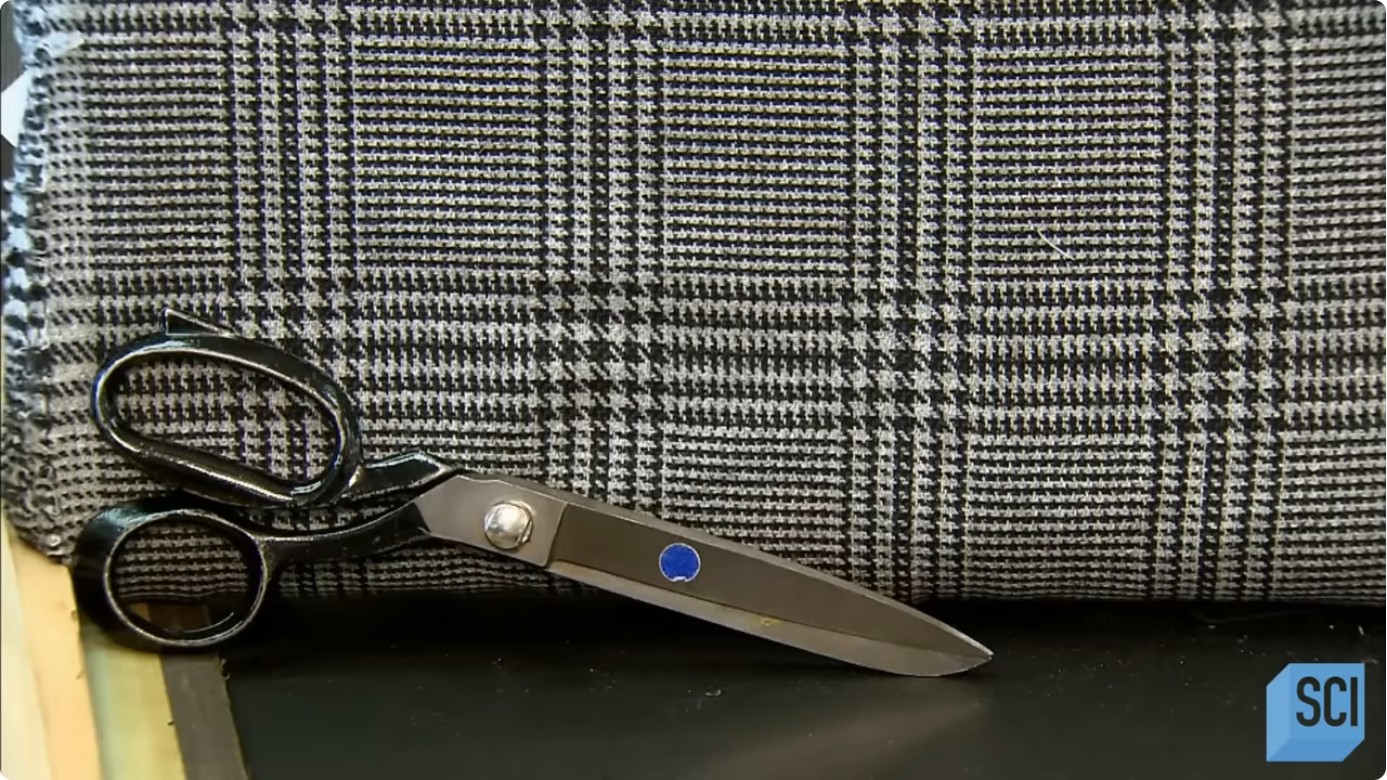
Linen is inherently stronger, more breathable, and more absorbent than cotton, but it’s also notoriously prone to wrinkling and can feel rough initially. Cotton is softer, easier to care for, and more wrinkle-resistant, but it retains more heat and moisture. The blend aims to marry linen’s legendary coolness and durability with cotton’s soft hand and practicality. The specific weave (plain, twill, canvas) and any finishing treatments (like stone-washing or enzyme washes) further customize the final fabric’s texture, drape, and appearance.
To ground this in reality, consider this simplified comparison. Think of it as a decision matrix for your primary need:
| Characteristic | 100% Linen | 100% Cotton | Linen/Cotton Blend (e.g., 60/40) |
|---|---|---|---|
| Breathability & Coolness | Excellent. The best natural fiber for heat dissipation. | Good, but can feel sticky in high humidity. | Very Good. Close to pure linen, with slight reduction. |
| Softness (Initial & After Wash) | Stiff initially; softens beautifully with wear and washing. | Soft from the first wash; can become thin/smooth over time. | Softer than pure linen off the bolt; develops a relaxed hand. |
| Wrinkle Resistance | Poor. Deep, characteristic wrinkles are part of its aesthetic. | Fair to Good. Wrinkles but often releases more easily. | Moderate. Wrinkles less severely than pure linen, more than pure cotton. |
| Durability & Strength | Extremely strong when wet; very durable long-term. | Strong, but can abrade and thin at stress points. | Strong. The linen component significantly boosts tensile strength. |
| Moisture Absorption | High. Can feel damp but wicks quickly. | Moderate. Can hold moisture against skin. | High. Linen’s wicking is a key benefit in the blend. |
| Shrinkage Potential | High. Requires careful pre-washing. | Moderate. Pre-shrunk cotton is common but not guaranteed. | Moderate to High. Both fibers can shrink; blend does not eliminate this risk. |
Let’s translate those comparisons into on-the-ground realities for garment and textile performance.
The slubby, slightly uneven texture is a hallmark of linen. In a blend, this texture is present but often softened. A high-linen-content blend (e.g., 70/30) will have a more pronounced, rustic texture and a crisper drape. A lower linen content (e.g., 40/60) will feel smoother and drape more like a lightweight cotton canvas. The famous „linen look“—that airy, slightly textured appearance—is best achieved with at least 40% linen. Trade-off Alert: If you desire a completely smooth, wrinkle-free finish, even a linen blend will require ironing or acceptance of a lived-in look.
This is the blend’s superpower. Linen’s hollow fibers and high permeability allow air to circulate and moisture to evaporate rapidly. The blend inherits much of this, making it a premier choice for hot, humid climates and base layers for active wear. For summer shirts, trousers, or dresses, a 50/50 or 60/40 blend often provides that „cool-to-the-touch“ sensation that pure cotton cannot match. The cotton component adds a bit of insulation, making some blends surprisingly versatile for spring and fall as well.
Linen is one of the strongest natural fibers, and its integration into a cotton fabric dramatically increases tear strength and abrasion resistance. A linen cotton blend garment will typically outlast a comparable 100% cotton item in terms of resisting pilling, thinning, and seam stress. This makes it an excellent investment for high-wear items like workwear, aprons, children’s clothing, and upholstery. The fiber strength also means it can be woven into lighter-weight fabrics without sacrificing integrity.
Choosing a fabric is about matching properties to use cases. Here’s where the linen cotton blend consistently excels:
Avoid this blend for: ultra-formal wear (it will wrinkle), ultra-tight fits (the drape is usually too soft/relaxed), and applications requiring a perfectly smooth, sheened surface.
Whether you’re ordering fabric by the yard or buying a garment, asking the right questions is crucial. Use this checklist to evaluate quality and suitability.
Treating a linen cotton blend properly is what makes it last for years and develop character. The biggest misconception is that it’s high-maintenance. It’s not—it just has a different maintenance philosophy.
Washing: Machine wash cold or warm on a gentle cycle with like colors. Avoid harsh detergents and bleach. The blend is generally more tolerant of agitation than pure linen, but gentle cycles preserve integrity. Drying: Tumble dry on low heat or, ideally, line dry. Over-drying is the enemy, leading to stiffness. Remove from the dryer while still slightly damp to minimize wrinkles.
Ironing: This is the key trade-off. The blend will wrinkle. For a crisp look, iron while the fabric is still slightly damp, using a medium-hot iron. For a lived-in look, embrace the texture. Steaming is an excellent alternative to ironing. Storage: Store dry. Prolonged dampness can lead to mildew, especially in the linen component.
With each wash, the fabric typically becomes softer, more supple, and the wrinkles may become less pronounced. This „breaking in“ period is part of the appeal for many.
The linen cotton blend isn’t a midpoint between two extremes; it’s a distinct material with its own personality. It’s the choice for comfort-first durability. It’s for the person who prioritizes breathing easy over a perfectly pressed shirt, who values a textile that tells a story of use over time. It’s for the designer creating a collection that needs texture and movement, and the business owner needing a uniform fabric that staff will actually want to wear in the heat.
Its limitations are its defining features: the intentional wrinkle, the need for mindful care, the texture that isn’t for everyone. But for the right application, it’s a nearly perfect fusion—a practical, beautiful, and sustainable workhorse that connects the ancient legacy of linen with the everyday necessity of cotton.
Understanding fabric blends can be nuanced. Here are answers to common lingering queries:
When in doubt, request a sample. Feel the texture, wash it, and see how it performs. The best fabric choice is the one that aligns with your specific needs for look, feel, function, and care.




