Stretchy knit fabric is the unsung hero of modern apparel, enabling everything from comfort-fit dress shirts to high-performance athletic wear. Its defining characteristic—elastic recovery—comes from a combination of specific knitting structures and the strategic use of elastic fibers like spandex. Understanding this material goes beyond recognizing its feel; it involves decoding its construction, evaluating fiber blends for specific end-uses, and navigating sourcing decisions that balance cost, performance, and durability. This guide breaks down the science, applications, and practical considerations of stretch knits for designers, product developers, and sourcing professionals.
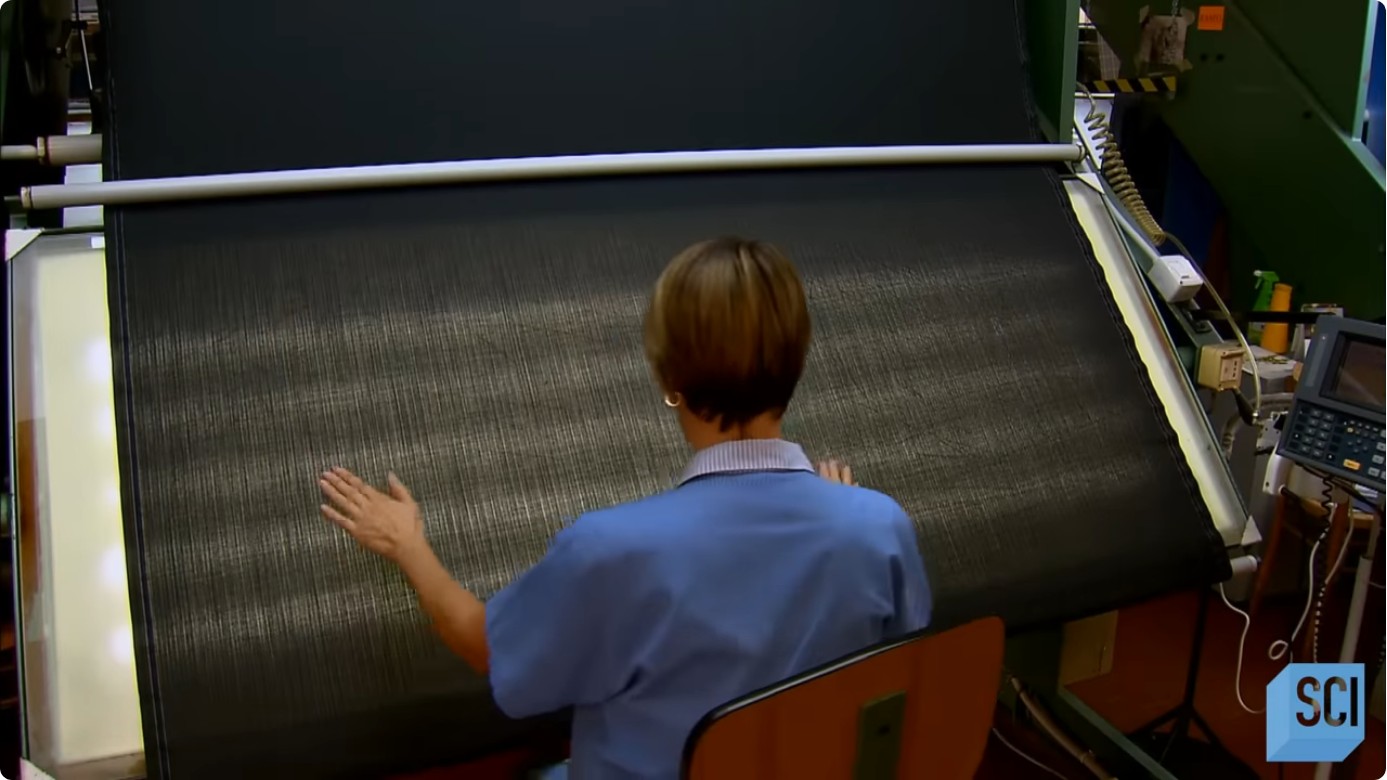
Unlike woven fabrics, where threads interlace at right angles, knit fabrics form interconnected loops. This looped structure inherently provides two-way or four-way stretch, depending on the knit type. The introduction of elastomeric fibers, most commonly spandex (also known as elastane or Lycra®), locks this stretch into a reliable recovery mechanism. The result is a fabric that moves with the body, resists sagging, and maintains shape through repeated wear and laundering. However, not all stretch knits are created equal. The final performance is a direct product of its knit architecture, fiber composition, and finishing treatments.
Quick Guide: Core Concepts of Stretch Knit
Construction: Loop-based structure (weft or warp knit) provides inherent flexibility; spandex incorporation locks in recovery.
Primary Fibers: Usually a blend: a majority “majority” fiber (cotton, polyester, nylon) for handfeel and cost, plus 3-20% spandex for stretch and recovery.
Key Properties: Stretch percentage, recovery rate, drape, moisture management, and durability (which can be inversely related to spandex content).
Main Applications: Activewear, foundation garments, fitted casualwear, medical textiles, and performance workwear.
Sourcing Focus: Specify required stretch/recovery metrics (e.g., ASTM D4964), spandex type/percentage, and care requirements; evaluate mill capabilities for consistent elastomer integration.
How Knit Structure Creates Stretch
Before adding any elastic fiber, the knit construction itself determines the fabric’s baseline mechanical stretch. There are two fundamental categories: weft knits and warp knits.
Weft Knits (e.g., Jersey, Rib, Interlock): Formed by horizontal loops, where each new loop is added to the previous row. This structure offers excellent stretch across the width (cross-grain) and moderate lengthwise stretch. A 1×1 rib knit, with its alternating knit and purl columns, provides significant lateral stretch and excellent recovery, making it ideal for cuffs, waistbands, and form-fitting tops. Single jersey, while comfortable, has a tendency to curl and offers less balanced stretch.
Warp Knits (e.g., Tricot, Raschel): Formed by vertical chains of loops, with each needle producing its own column. This creates a fabric that is typically more stable, less prone to runs, and offers more modest, directional stretch—often more lengthwise than crosswise. Tricot is a staple for lingerie and activewear liners due to its smooth hand and controlled stretch.
The addition of spandex is what transforms a simply “flexible” knit into a truly “stretchy” one with recovery. Spandex filaments are either plated (covered by the majority fiber on the face/back) or inserted as a separate yarn during knitting. Plating is critical for aesthetics and durability; it protects the spandex from UV degradation and abrasion while ensuring the fabric’s outer surface feels like the primary fiber. The knitting machine’s tension and cam settings must be precisely calibrated to avoid over-stretching or breaking the delicate spandex yarns during production.
Fiber Blends: The Heart of Performance
The majority fiber defines the fabric’s character—its moisture management, temperature regulation, hand feel, and cost. The spandex percentage defines its mechanical stretch and recovery. The interaction between these two components is where material science meets product design.
Common Blend Scenarios and Trade-offs
Blend Example
Typical Stretch (Crosswise)
Primary Use Case
Key Trade-offs
95% Cotton / 5% Spandex
15-25%
Everyday basics: t-shirts, leggings, fitted denim
Good comfort, moderate recovery. Spandex encasement can feel less soft than 100% cotton. Cotton’s moisture absorption can lead to slower drying.
92% Polyester / 8% Spandex
20-35%
Performance activewear, swimwear, uniforms
Excellent wicking (if treated), quick-drying, colorfast. Polyester’s lower moisture regain can feel less breathable than cotton. Higher spandex content improves recovery but can increase cost and reduce long-term tensile strength.
80% Nylon / 20% Spandex
30-50%+
High-compression activewear, swimwear, shapewear
Superior strength-to-weight ratio, exceptional recovery. Nylon can be less soft than polyester. High spandex % requires meticulous care to prevent degradation from chlorine, salt water, or highheat.
70% Rayon/Viscose / 30% Spandex
25-40%
Draping activewear, luxurious loungewear
Excellent drape and soft hand. Rayon’s wet strength is weak; blends require gentle handling. Durability and long-term recovery can be lower than synthetic blends.
A critical caveat: Spandex content is not a linear indicator of value or suitability. A 20% spandex garment will not necessarily stretch “twice as much” as a 10% spandex garment. The knitting construction, yarn tension, and fabric finishing (like brushing or singeing) have enormous influence. Furthermore, higher spandex percentages come with real trade-offs: increased material cost, potential for “spandex burn” (fabric degradation from repeated high-stress cycles), and more stringent laundering requirements. For example, a 95/5 cotton/spandex tee may withstand hundreds of washes with minimal degradation, while a 80/20 nylon/spandex swimsuit may require cold rinses and shade drying to prevent elastomer breakdown.
Key Performance Metrics to Specify
When sourcing or evaluating stretch knit fabric, subjective descriptors like “soft” or “stretchy” are insufficient. You need quantifiable specifications.
Stretch Percentage: Measured by stretching a fabric sample to a specified load (often 5 lbf or 10 lbf) and calculating the increase in length. A common spec for leggings might be “50% stretch at 10 lbf.” ASTM D4964 provides a standard test method for stretch properties of textiles.
Recovery (or Elastic Recovery): The percentage of stretch that is recovered after the load is released. 95%+ recovery is considered excellent for performance apparel; anything below 85% will feel “slack” after wear.
Growth: The permanent elongation that occurs after repeated stretching and laundering cycles. This is a key durability metric. A low-growth fabric (e.g., <3% after 10 wash cycles) is essential for fitted garments that must maintain size.
Abrasion Resistance: Often tested via Martindale or Wyzenbeek methods. Higher spandex content can reduce abrasion resistance, a critical factor for high-friction areas like inner thighs or seat.
Application-Specific Considerations
The “right” stretch knit is entirely context-dependent. A fabric for a medical compression sleeve has vastly different requirements than one for a casual summer polo.
Performance Activewear: Prioritizes moisture management (via hydrophobic synthetics or treatments), high recovery, four-way stretch, and lightweight stability. Seamless knitting technology allows for gradient compression and minimal seams. Look for fabrics with bluesign® or OEKO-TEX® certification to ensure no harmful substances in dyes or finishes.
Everyday Basics & Fashion: Balance comfort, drape, opacity, and cost. Cotton/spandex jersey is a workhorse. Consider garment weight (GSM) and fiber origin (e.g., organic cotton) for market positioning. For drapey styles, a rayon/spandex blend may be preferable, but factor in higher care complexity.
Technical Workwear: Requires durability, UV resistance, and sometimes additional properties like flame resistance (FR) or antimicrobial finishes. Nylon/spandex blends are common, but FR versions may use modacrylic or meta-aramid fibers instead of standard nylon. Verify that any added finishes or treatments do not degrade the spandex.
Sourcing and Supplier Evaluation
Sourcing stretch knit fabric requires asking precise technical questions, not just requesting samples. A checklist for initial mill or supplier qualification includes:
Elastomer Specification: What brand and type of spandex is used (e.g., Lycra®, Hyosung, Invista)? Branded elastomers often have more consistent quality and proprietary treatments for better recovery and durability.
Knitting Process: Is it weft or warp knit? How is the spandex plated? Can they provide stitch diagrams or technical yarn count specifications?
Minimums and Lead Times: Seamless circular knit machines often have higher minimums (e.g., 500-1000 lbs) compared to flat knitting. Warp knit fabrics may have different production economics.
Testing and Compliance: Can they provide lab reports for stretch/recovery, growth, colorfastness, and any relevant sustainability certifications? Do they comply with CPSC regulations for children’s sleepwear regarding flammability?
Finishing Capabilities: What post-knit processes are applied (e.g., heat-setting, brushing, dyeing)? Heat-setting temperature and duration are crucial for locking in the spandex’s elastic memory.
For smaller brands, working with a converter or fabric agent who has established relationships with specialized knit mills is often more efficient than approaching large producers directly. Be prepared to provide a detailed spec sheet including desired GSM, width, stretch targets, and intended use.
Common Pitfalls and Decision Trade-offs
The pursuit of maximum stretch or softest hand can lead to long-term performance failures.
The “More Spandex is Better” Fallacy: Beyond about 10-15% spandex, gains in stretch are marginal, while risks to durability and cost rise sharply. A 5% spandex blend in a well-constructed rib can offer sufficient recovery for many casual applications.
Neglecting Care Labels: Spandex is vulnerable to chlorine, high-temperature drying, and harsh detergents. If the end-user will not follow care instructions (“machine wash cold, tumble low”), you must select a more resilient blend or treat the fabric with a protective finish.
Opacity Issues: Light-colored or thin stretch knits (especially with high stretch) can become transparent when stretched. Always evaluate opacity in a stretched state, not just at rest.
Inconsistent Stretch Across Grain: Some knits, particularly certain weft knits, have significantly more stretch on the cross-grain than the length. Pattern making must account for this bias to avoid garments that distort awkwardly on the body.
Final Considerations and Next Steps
Selecting a stretch knit fabric is a multi-variable optimization problem. Start by defining the non-negotiable performance requirements: Is recovery or moisture management more critical? What is the maximum cost per yard? What are the practical laundering conditions? From there, narrow down fiber systems and knit constructions that meet these criteria. Always source and test fabric in the *exact* weight and construction intended for production—a sample swatch may not represent the behavior of a full-width, garment-washed roll.
For those new to knits, engaging with a technical fabric sales representative who can provide historical performance data for similar applications is invaluable. They can advise on mill capabilities and potential pitfalls specific to a fiber blend. Remember, the most expensive fabric is the one that fails in the field—investing in rigorous pre-production testing for stretch, recovery, and growth is a non-negotiable step for any serious apparel product.
Addressing Your Next Questions
What is a good minimum stretch percentage for yoga pants? For unrestricted movement, aim for at least 40-50% crosswise stretch at a moderate load (5-10 lbf), with recovery above 90%. Many performance brands specify 4-way stretch with similar metrics in both directions.
Can I machine wash any spandex blend? While most are machine washable, always use cold water and avoid high-heat drying. For blends with high spandex content (15%+) or delicate fibers like rayon, hand washing or gentle cycle is recommended to maximize lifespan.
Is recycled spandex available? Yes, some suppliers now offer recycled elastomer (e.g., from post-industrial waste). However, its performance consistency and availability are not yet on par with conventional spandex. It typically appears in blends at lower percentages (e.g., 1-3% of total weight) and is more common in European markets.
How do I ensure colorfastness in a dark, high-spandex legging? Request deep dye tests (e.g., AATCC 61) from the mill. Dark colors, especially on synthetic blends, are prone to crocking (rubbing off). A proper dyeing process and post-dye rinsing are critical, regardless of the spandex content.