Address
304 North Cardinal
St. Dorchester Center, MA 02124
Work Hours
Monday to Friday: 7AM - 7PM
Weekend: 10AM - 5PM
Address
304 North Cardinal
St. Dorchester Center, MA 02124
Work Hours
Monday to Friday: 7AM - 7PM
Weekend: 10AM - 5PM
If you’ve ever felt the cozy, textured interior of a thermal shirt or the breathable comfort of a lightweight hiking base layer, you’ve likely encountered thermal waffle fabric. It’s a go-to material for anything that needs to balance warmth with airflow. But what exactly makes it different from a regular knit or weave, and how do you choose the right kind for your project? This guide cuts through the marketing to give you the essential technical and practical details you need, whether you’re a designer, a small brand owner, or just a curious maker.
We’ll break down the construction that creates its signature texture, compare how different fiber blends perform, and walk through real-world applications—from high-performance athletic wear to rugged workwear. You’ll also learn the key questions to ask suppliers and the trade-offs to consider when selecting a thermal waffle fabric for your specific needs.
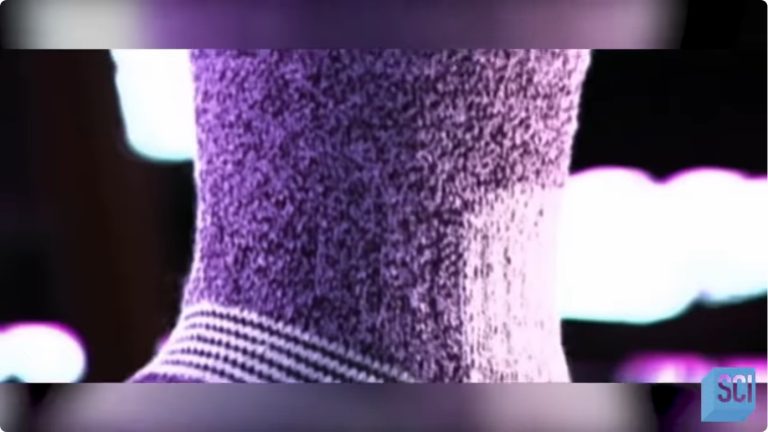
Thermal waffle fabric gets its name from the distinctive grid-like, three-dimensional pattern it forms. This isn’t a decorative print; the texture is an inherent part of the fabric’s construction, created by a specific weaving or knitting technique. The “waffle” structure consists of raised square or rectangular cells separated by vertical and horizontal ribs.
This geometry is the secret to its function. The tiny pockets of air trapped within those cells act as insulation, holding body heat close. Simultaneously, the open structure allows for significant airflow and moisture vapor to pass through. It’s this unique combination—trapping warmth while remaining highly breathable—that defines thermal waffle and sets it apart from solid, dense fleece or tightly knit jersey.
While the term “waffle” describes the look, the fabric can be created through two fundamentally different methods, each with distinct characteristics:
Understanding the inherent properties of thermal waffle helps you predict its behavior in the final product. These properties are heavily influenced by the fiber content and the fabric weight (measured in grams per square meter, GSM).
| Property | How Waffle Achieves It | Primary Influence | Key Trade-off |
|---|---|---|---|
| Thermal Insulation | Air pockets in the 3D texture trap heat. | Fabric weight (higher GSM = warmer) and fiber loft. | Heavier weights reduce breathability and increase drying time. |
| Moisture Management | Open cell structure allows sweat to wick and evaporate. | Fiber type (synthetics wick better than cotton). | Cotton waffle holds moisture, feeling damp and heavy when sweaty. |
| Breathability | Air can circulate through the channels between cells. | Cell size and openness of the weave/knit. | Tighter, smaller cells improve warmth but restrict airflow. |
| Hand Feel & Drape | Texture creates a “cozy” or “crisp” feel depending on construction. | Fiber softness and yarn count. Knit vs. woven base. | Very crisp woven waffle can be stiff; high GSM knits can be bulky. |
| Durability & Shrinkage | Structure can be prone to snagging; dimensional stability varies. | Fiber strength and construction tightness. | Cotton shrinks significantly; synthetics are more stable but can melt. |
The choice of fiber is your first and most critical decision. Here’s a practical breakdown of common blends:
The right thermal waffle fabric depends entirely on the end use. Here’s how the selection criteria shift across common scenarios:
Goal: Move sweat away from skin, provide light insulation, dry quickly.
Recommended Fabric: Light-to-mid weight (180-260 GSM) knitted waffle made from a synthetic-dominant blend. Look for polyester with a brushed interior for softness and a hydrophilic treatment. A 90% polyester / 10% spandex blend offers excellent stretch and recovery for freedom of movement.
What to Verify: Ask the supplier for the fabric’s moisture vapor transmission rate (MVTR) or wicking test data. A high MVTR (e.g., >10,000 g/m²/24hr) indicates superior breathability.
Goal: Soft hand feel, cozy aesthetic, low maintenance, good value.
Recommended Fabric: Medium weight (250-320 GSM) knitted waffle in a cotton or cotton-rich blend (e.g., 80% cotton / 20% polyester). A garment-washed finish enhances softness immediately. The texture provides visual interest and a comfortable, “lived-in” feel.
What to Verify: Confirm pre-shrunk or sanforized treatment. Check for pilling resistance (look for a low pill rating, e.g., 3-4 on the ASTM D3512 scale) if the item will see heavy use and washing.
Goal: Durability, wrinkle resistance, colorfastness, professional appearance.
Recommended Fabric: Medium-heavy weight (300+ GSM) woven waffle or a tight-knit waffle in a sturdy cotton/polyester poplin or twill variation. The woven type will hold its shape better, resist stretching out, and look crisper.
What to Verify: Request test reports for colorfastness to laundering (AATCC 61) and tear strength (ASTM D5587). Ensure the fabric meets any required industry standards, such as NFPA 1971 for fire-resistant workwear if applicable.
Goal: Ultra-soft, non-irritating, safe, and easy to care for.
Recommended Fabric: Lightweight, fine-gauge knitted waffle in 100% organic cotton or a cotton/bamboo viscose blend. These fibers are naturally gentle on sensitive skin. Avoid loose weaves that could snag on tiny fingers or toes.
What to Verify: OEKO-TEX® Standard 100 certification is critical here to ensure the fabric is tested for harmful substances. Also confirm compliance with local infant clothing safety regulations (e.g., CPSIA in the USA).
When moving from fabric swatch to bulk production, due diligence is key. Use this checklist when evaluating wholesale suppliers:
Domestic suppliers (in the USA or EU) often offer better communication, smaller MOQs, and faster shipping but at a higher cost. Overseas mills in Asia provide cost advantages for large volumes but require robust quality control protocols and longer lead times.
Thermal waffle is not a magic bullet. Its primary limitation is in extreme conditions. For severe cold requiring maximum insulation, a dense fleece or down will outperform it. For high-aerobic activities in humid climates where maximum sweat transport is needed, a lightweight, non-textured mesh might be more effective. The waffle texture also means it can be more prone to snagging than a smooth fabric, and very fine, high-loft waddings used in winter sleeping bags are a different class of insulation altogether.
Your success with this fabric hinges on correctly matching the construction type, fiber blend, and weight to the specific demands of your product. Always order and test a physical swatch in the intended garment construction (seams, hems) before committing to a large yardage purchase. The feel and performance in a flat sample can differ from a sewn garment.
Is thermal waffle fabric good for summer?
A very lightweight (sub-180 GSM), open-knit waffle in cotton or linen can work for hot, dry climates due to its airflow. However, for high-humidity summer wear, a lighter, non-textured weave or a performance mesh is generally more effective.
How do I wash thermal waffle fabric to prevent damage?
For cotton-rich fabrics, machine wash cold with like colors and tumble dry low to minimize shrinkage. For synthetics, warm wash and low tumble dry. Avoid high heat and fabric softeners, which can coat the fibers and reduce wicking performance. Always refer to the supplier’s care label instructions for the specific fabric.
What’s the difference between thermal waffle and French terry?
French terry is a specific type of knitted terry fabric where the loop pile is on one side only (usually the inside), and the outside is smooth. “Thermal waffle” refers to a specific *pattern* of loop formation—the distinct grid. A thermal fabric can be a double-sided waffle (textured on both sides) or a single-sided one. All thermal knits are a type of terry construction, but not all French terry has the pronounced waffle grid pattern.