Address
304 North Cardinal
St. Dorchester Center, MA 02124
Work Hours
Monday to Friday: 7AM - 7PM
Weekend: 10AM - 5PM
Address
304 North Cardinal
St. Dorchester Center, MA 02124
Work Hours
Monday to Friday: 7AM - 7PM
Weekend: 10AM - 5PM
When you picture a golfer, the classic image often includes a crisp cotton polo shirt. Yet, modern performance wear is dominated by synthetics. This tension—between the timeless feel of cotton and the technical demands of the sport—defines the reality of golf cotton material. It’s not simply about choosing natural vs. synthetic; it’s about understanding how cotton is engineered, blended, and sourced for specific on-course needs. This guide cuts through the ambiguity to explain exactly what golf cotton material is, how it performs, and how to source it wisely for your intended use, whether you’re a brand developer, a pro shop buyer, or a discerning player.
We’ll move beyond the basic label to examine the textile mechanics, the critical tradeoffs in comfort versus function, and the practical considerations for wholesale purchasing. The goal is to equip you with a framework for evaluating whether a cotton or cotton-blend fabric is the right choice for your specific golf apparel application.
Before diving into cotton specifics, it’s helpful to establish the non-negotiable performance criteria for any golf apparel. A fabric must manage the athlete’s microclimate during a 4+ hour round, which involves variable exertion, sun exposure, and weather changes. The primary metrics are:
Helpful tip: Slub Jersey Cotton: A Practical Guide to Texture, Performance, and Sourcing
Cotton’s role in meeting these criteria is nuanced. Pure cotton excels in hand and natural breathability but historically fails at rapid moisture management. Modern golf cotton material is almost always a strategic blend designed to mitigate cotton’s weaknesses while preserving its desirable qualities.
Cotton is a natural cellulose fiber prized for its softness, absorbency, and hypoallergenic nature. In golf apparel, its contributions are specific:
You will almost never find a performance-oriented golf shirt marketed as 100% cotton. It is universally understood that to meet the sport’s demands, cotton must be blended with synthetic fibers. The most common and effective blend is with polyester.

| Common Blend | Typical Ratio | Primary Impact on Cotton’s Properties | Typical Use Case in Golf |
|---|---|---|---|
| Cotton/Polyester | 60/40, 50/50, 40/60 | Polyester adds moisture-wicking, quick-drying, wrinkle resistance, and durability. It reduces the hand’s softness slightly but improves overall performance balance. | Workhorse for resort wear, club pro shop apparel, and mid-tier performance polos. The most cost-effective blend. |
| Cotton/Polyester/Spandex | e.g., 92% Cotton, 5% Polyester, 3% Spandex | Spandex adds critical 4-way stretch for the swing. The small polyester component aids in moisture management and shape retention. | Premium, form-fitting polos and pants where freedom of movement is a primary selling point. Retains a high cotton hand feel. |
| Cotton/Modal/Polyester | Varies, often with high Modal content | Modal (a regenerated cellulose fiber from beech trees) enhances softness, drape, and shrinkage resistance over pure cotton. Polyester maintains wicking. | Luxury-focused brands targeting an ultra-soft, premium aesthetic with moderate performance. |
| Cotton/Recycled Polyester | Similar to standard poly-cotton | Provides identical performance benefits (wicking, drying) with a sustainability narrative. Hand feel can be slightly different depending on the recycled fiber quality. | Eco-conscious brands and tournaments. Must verify recycled content claims through certifications like Textile Exchange standards. |
The exact blend ratio is a precise formula balancing target performance, cost, and hand feel. A 60/40 cotton/polyester feels softer but wicks less effectively than a 40/60 blend. A brand targeting senior tour players might prioritize stretch and moisture management (lower cotton %, added spandex), while a country club-branded casual line might prioritize the classic cotton look and feel with just enough polyester to prevent complete saturation.
Sourcing fabric for golf apparel involves moving beyond generic textile catalogs to specialized suppliers who understand the sport’s rigors. Here is a practical checklist for the sourcing process.
Do not ask for “golf cotton.” Instead, create a spec sheet detailing:
A general knit fabric supplier is not sufficient. Look for manufacturers and distributors with a proven portfolio in:
Request samples and insist on pre-production testing. A reputable supplier will have data on their fabric’s properties. Ask specifically about their cotton sourcing—is it U.S. or Egyptian? Is it BCI (Better Cotton Initiative) or organic certified? These certifications, while not directly impacting performance, are significant for brand positioning and can be verified through bodies like Organic Exchange.
MOQs for performance-blended knits can vary dramatically. A large integrated mill may have MOQs of 5,000+ yards per color, while a converter or jobber may offer 1,000-yard minimums at a premium price. Lead times for custom-dyed fabric can range from 8 to 16 weeks. Factor this into your production calendar. For smaller brands, starting with a stock fabric program from a supplier like (Note: Placeholder for a real textile supplier example; in practice, link to a known distributor like S.R. Honolulu or Galaxy Textiles) can be a lower-risk entry point, accepting some compromise on exact blend ratios.
Never proceed without a lab dip and a garment-manufacturing sample. Your test protocol should include:
This due diligence prevents costly mistakes in full production. A fabric that passes lab specs can still fail in a real golf swing if the knit construction allows for excessive pull-out or twisting.
Choosing a golf cotton material is an exercise in managing tradeoffs. The following scenarios illustrate how priorities shift.
Helpful tip: The Complete Guide to Nylon Fabric Wholesale: From Sourcing to Selection
Priority: Maximum moisture management and cooling.
Blend Recommendation: Low cotton content (30% or less) with high polyester (65%+) and 5-10% elastane. Consider technical finishes like cooling additives or hydrophilic coatings that enhance polyester’s natural wicking. Pure cotton would be a poor choice here; the wearer would be soaked. The hand will be less “cottony,” but function is paramount.
Priority: Traditional aesthetic, comfortable hand, acceptable performance, easy care.
Blend Recommendation: 60/40 or 50/50 cotton/polyester, possibly with 2-3% spandex. This provides a good balance: it looks and feels like a quality cotton polo, resists wrinkles, and manages light perspiration adequately for post-round socializing. The cotton dominance satisfies the classic expectation.
Priority: Superior stretch, next-to-skin softness, consistent fit, and reliable moisture control.
Blend Recommendation: High-stretch blend like 88% Micro-Modal/Cotton blend, 5% Polyester, 7% Elastane. The modal provides exceptional softness and stability, the elastane provides swing freedom, and the polyester ensures sweat doesn’t pool. This is a higher-cost fabric that justifies a premium price point.
Priority: Low cost, durability, acceptable appearance.
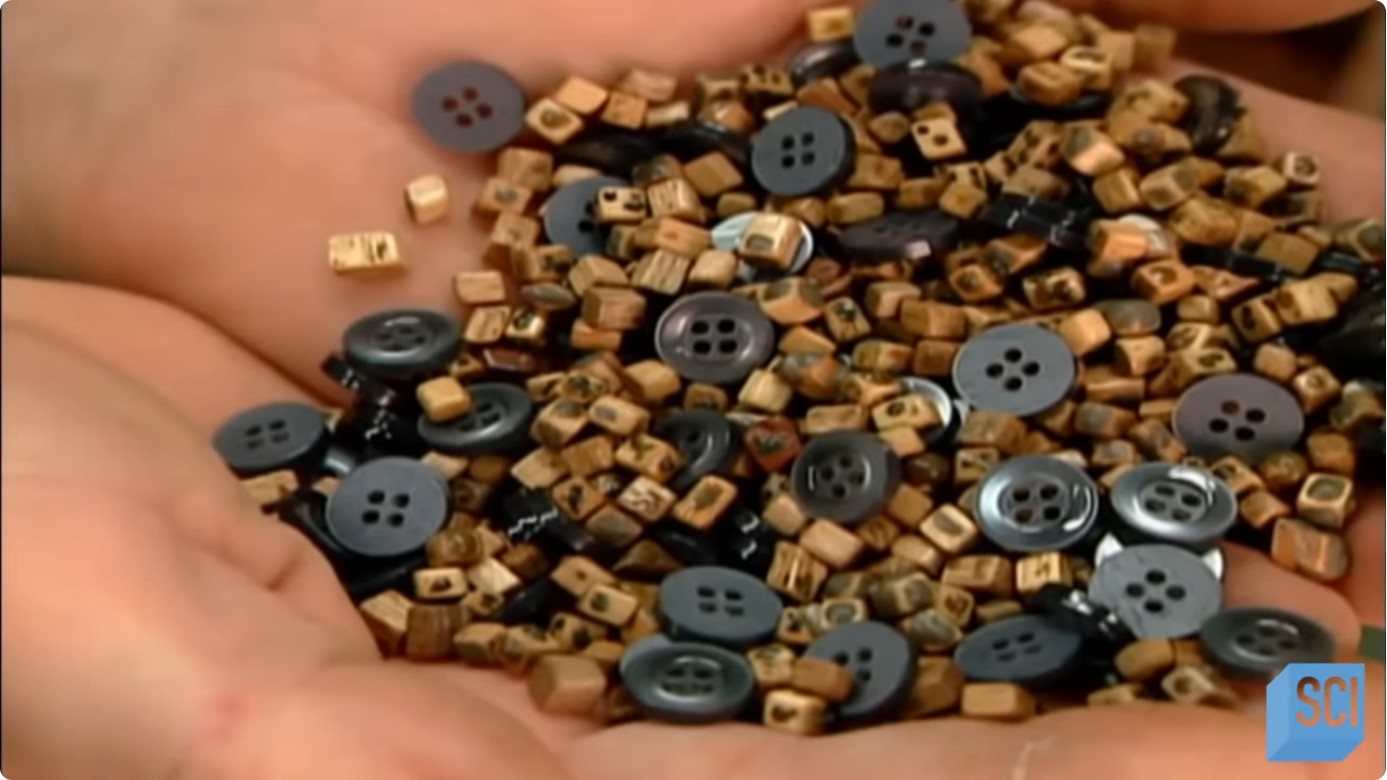
Blend Recommendation: 65/35 or 70/30 cotton/polyester, no spandex. This is the most economical blend. It will be more durable than pure cotton and resist wrinkles better, but it will lack significant stretch and advanced wicking. It’s suitable for staff uniforms or rental programs where high-intensity play is not the norm.
Key Tradeoff Summary: Increasing cotton percentage improves hand feel and natural breathability but degrades moisture management, drying speed, and wrinkle resistance. Adding elastane improves mobility but can increase cost and complicate dyeing. Adding polyester improves all performance metrics at the potential expense of the natural cotton aesthetic. Your blend is the direct translation of your target customer’s priorities.
The term “golf cotton material” is a category defined by compromise and engineering. Pure cotton is largely obsolete for serious play. What exists are cotton-dominant blends that use synthetics as performance enhancers. Your decision path should follow this logic:
Ultimately, the best golf cotton material is the one whose engineered blend aligns perfectly with the specific context of use. It’s less about the material itself and more about the intentionality behind its construction.
Helpful tip: Your Guide to Buying Cotton Linen Fabric by the Yard


