Address
304 North Cardinal
St. Dorchester Center, MA 02124
Work Hours
Monday to Friday: 7AM - 7PM
Weekend: 10AM - 5PM
Address
304 North Cardinal
St. Dorchester Center, MA 02124
Work Hours
Monday to Friday: 7AM - 7PM
Weekend: 10AM - 5PM
If you’ve ever examined a garment label and seen “PES,” you’ve encountered the most widely used synthetic fiber in the world. But what is PES fabric, exactly? PES is the standardized textile abbreviation for polyethylene terephthalate, a type of plastic that, when spun into fibers, becomes the fabric we commonly call polyester. Understanding this material is crucial for anyone involved in fashion, manufacturing, or even just savvy clothing care, as its properties dictate everything from a shirt’s wrinkle resistance to a performance jacket’s moisture management.
This guide moves beyond the simple label to explore what makes PES unique, where it excels, where it falls short, and how to make informed decisions when selecting or sourcing it. We’ll break down the science, the practical realities, and the trade-offs you need to know.
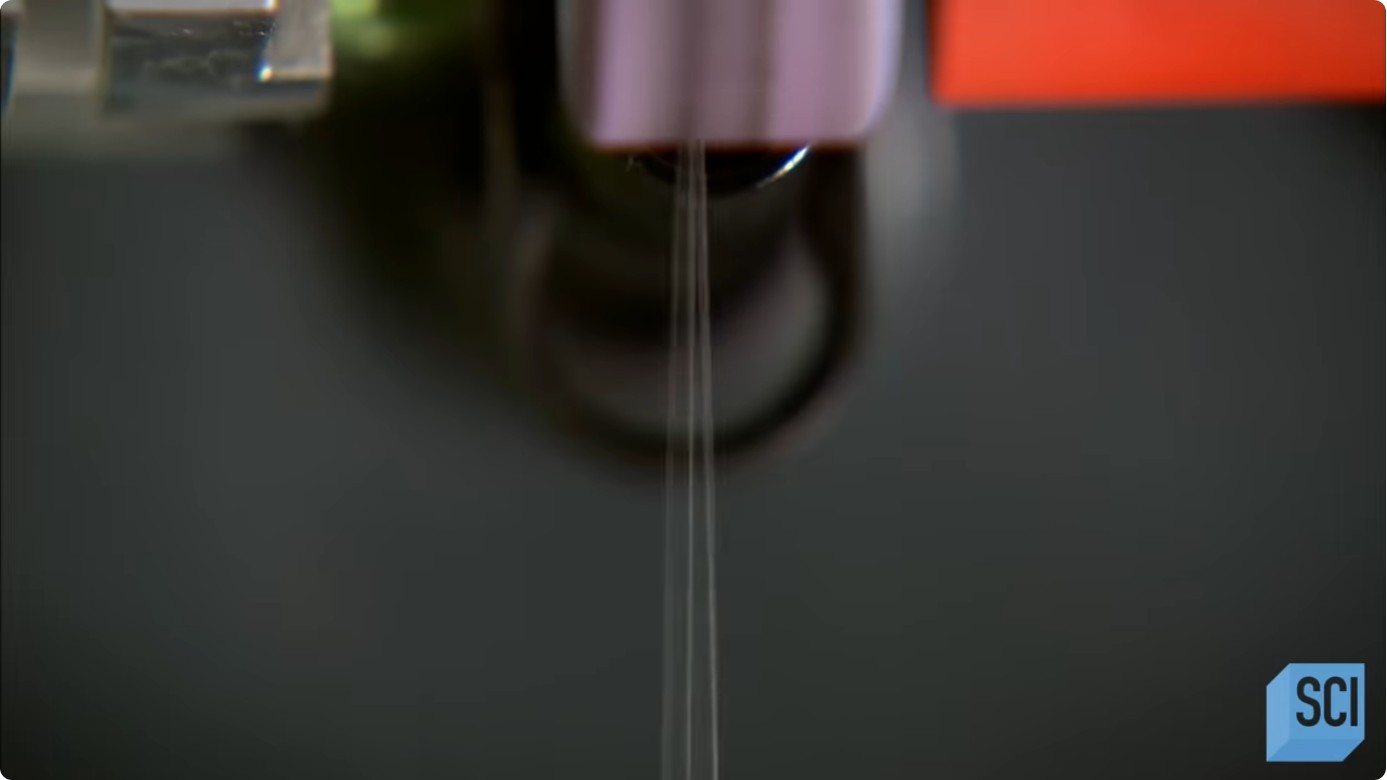
To understand PES, you start with its building blocks. Polyethylene terephthalate is a polymer formed from ethylene glycol and terephthalic acid. In textile production, this polymer is melted and forced through tiny spinnerets—like a showerhead for plastic—to create continuous filaments. These filaments can be spun into yarn in two primary ways:
Also read: Knit Terry Cloth Fabric: A Practical Guide for Apparel Makers
The manufacturing process allows for incredible engineering. By altering the spinneret shape, drawing the fibers (stretching them to align molecules), and applying texturizing (crimping the filaments), manufacturers can create fibers that mimic silk, wool, or even create entirely new textures.
PES’s characteristics are a direct result of its synthetic, plastic-based nature. Understanding these properties is key to predicting how a garment will perform.
| Property | Typical Performance | Practical Implication |
|---|---|---|
| Durability & Strength | Very high tensile strength and abrasion resistance. Resists stretching and shrinking when properly finished. | Garments last longer, withstand repeated washing, and hold their shape. Ideal for workwear, uniforms, and children’s clothing. |
| Wrinkle Resistance | Excellent. The thermoplastic nature allows it to release wrinkles easily with heat. | Minimal ironing needed. A top choice for travel clothing and business casual wear requiring a neat appearance. |
| Moisture Management | Very low moisture regain (~0.4%). Hydrophobic—wicks moisture by capillary action but does not absorb it. | Feels dry to the touch but can trap sweat against the skin. In performance wear, it moves sweat to the outer surface to evaporate. Can feel clammy in high-humidity, non-moving situations. |
| Dyeability | Excellent colorfastness, especially with disperse dyes at high temperatures. Inherently resistant to fading from light and washing. | Vibrant, long-lasting colors. However, dyeing requires energy-intensive high-heat processes. |
| Care & Maintenance | Machine washable, quick-drying. Resists mildew and most chemicals. Sensitive to high heat (can melt or shrink). | Easy care is a major selling point. Must be washed in warm, not hot, water and dried on low heat. |
| Skin Feel & Breathability | Can be smooth or stiff. Generally low breathability (low air permeability). Prone to static in dry conditions. | Can feel plasticky or sweaty. Often brushed or blended to improve hand feel. Static can be an issue with synthetic blends in winter. |
Because 100% PES has limitations in feel and breathability, it is the world’s most common blending partner. Blending allows manufacturers to tailor properties for specific end-uses.
You’ll find PES or PES blends in:

A discussion of PES cannot ignore its origins and end-of-life. As a petroleum-based product, its production consumes fossil fuels and energy. The dyeing and finishing processes can involve hazardous chemicals if not properly managed.
However, the narrative is evolving rapidly. Recycled polyester (rPET), made from post-consumer plastic bottles and sometimes fishing nets, is now a mainstream, cost-competitive alternative. Look for certifications like the Global Recycled Standard (GRS) or RWS for credible sourcing. The technology for chemical recycling (breaking PES back to its monomers to be remade into virgin-quality fiber) is advancing and represents a potential long-term solution to microfiber pollution and landfill persistence.
For sourcing, PES is a global commodity. Major suppliers are large chemical and fiber companies (like Indorama Ventures, Sinopec, and Huvis). For apparel brands, it is typically purchased as yarn or fabric from textile mills, not directly from the polymer producers. Wholesale pricing is highly volatile with oil prices. Minimum order quantities (MOQs) for custom fabric development can be high, but standard constructions in common weights are readily available from converters and traders worldwide.
Here is a practical checklist to run through when evaluating PES.
What is PES fabric? It is the versatile, durable, and engineered backbone of the modern textile world. It is not inherently “bad” or “cheap,” but a tool with specific, powerful properties. Its real magic is in blending, where it compensates for the weaknesses of other fibers. The savvy consumer or designer looks at the “PES” on a label and asks: What is it blended with? At what percentage? Is it recycled? Those answers tell you far more about a fabric’s performance, feel, and environmental footprint than the simple PES acronym ever could. Its future hinges not on its elimination, but on smarter production—particularly the shift to circular recycled feedstocks—and on transparent communication about what that ubiquitous fiber truly delivers.
Is PES the same as nylon?
No. Both are synthetics, but they are different polymers (PES is PET, nylon is typically polyamide). Nylon is softer, more elastic, and absorbs a bit more moisture than PES, but PES is generally more colorfast, wrinkle-resistant, and resistant to UV degradation. They are often blended for a balance of properties.
Does 100% polyester breathe?
Technically, yes, but poorly compared to natural fibers. Its hydrophobic nature means it doesn’t absorb sweat, so it can feel clammy. High-air-permeability constructions (like mesh) help, but in hot, sedentary conditions, a cotton or linen garment will feel significantly cooler.
How can I tell if a fabric is PES?
The burn test is a classic textile identification method. A small fiber sample, when burned, will melt and shrink away from the flame (most synthetics do this). PES burns with a sweet, chemical odor and leaves a hard, black bead of ash. For a definitive answer, a laboratory using Fourier Transform Infrared Spectroscopy (FTIR) is required. For consumers, the garment’s care label is the most reliable source.
Is recycled polyester (rPET) the same quality as virgin PES?
For most apparel applications, yes. Modern rPET can be engineered to match the strength, texture, and performance of virgin polyester. The main difference can be in consistency and potential for slight discoloration if the plastic feedstock is not meticulously sorted and cleaned. For high-end performance or delicate applications, brands may still specify virgin, but rPET has become the industry standard for mainstream and performance wear.
You may also like: The Complete Guide to Cotton Gauze Fabric: From Basics to Sourcing


