You’ve likely felt it—the effortless, body-hugging stretch of your favorite leggings, the snug fit of a performance tee, or the forgiving comfort of a pair of jeans with a little extra give. That magical recovery, the way the garment snaps back into place, is almost certainly thanks to a single, remarkable synthetic fiber: spandex. Known generically as elastane in many parts of the world and famously by the brand name Lycra, spandex is the unsung hero of modern apparel, enabling mobility, comfort, and form-fitting style across countless garments. But what exactly is spandex fiber, and what should designers, sewers, and everyday consumers know about its capabilities and limitations?
This guide moves beyond the basic definition to explore the chemistry, performance characteristics, and practical realities of working with spandex. We’ll break down how it’s made, why it’s almost always blended, where it excels and fails, and what it means for sourcing, garment care, and sustainability. Whether you’re selecting fabrics for a product line, troubleshooting a sewing project, or just curious about what gives your clothes their stretch, this article provides a detailed, practical look at the fiber that redefined fit.
At a Glance: The Essence of Spandex
Chemical Nature: A synthetic polyurethane-polyurea copolymer, created through a complex extrusion process.
Key Trait: Exceptional elasticity—can stretch up to 500% of its original length and recover.
Form: Always used as a covered or core-spun yarn, never alone in woven or knitted fabrics.
Primary Role: A minority blend component (typically 2%-20%) to add stretch and recovery to other fibers.
The Science of Stretch: How Spandex Fiber Is Made
The secret to spandex’s performance lies in its molecular structure. Unlike rubber, which is natural or derived from petrochemicals but lacks stability, spandex is a carefully engineered polymer. The manufacturing process, known as dry spinning, is what transforms a liquid polymer solution into the fine, resilient filaments we recognize.
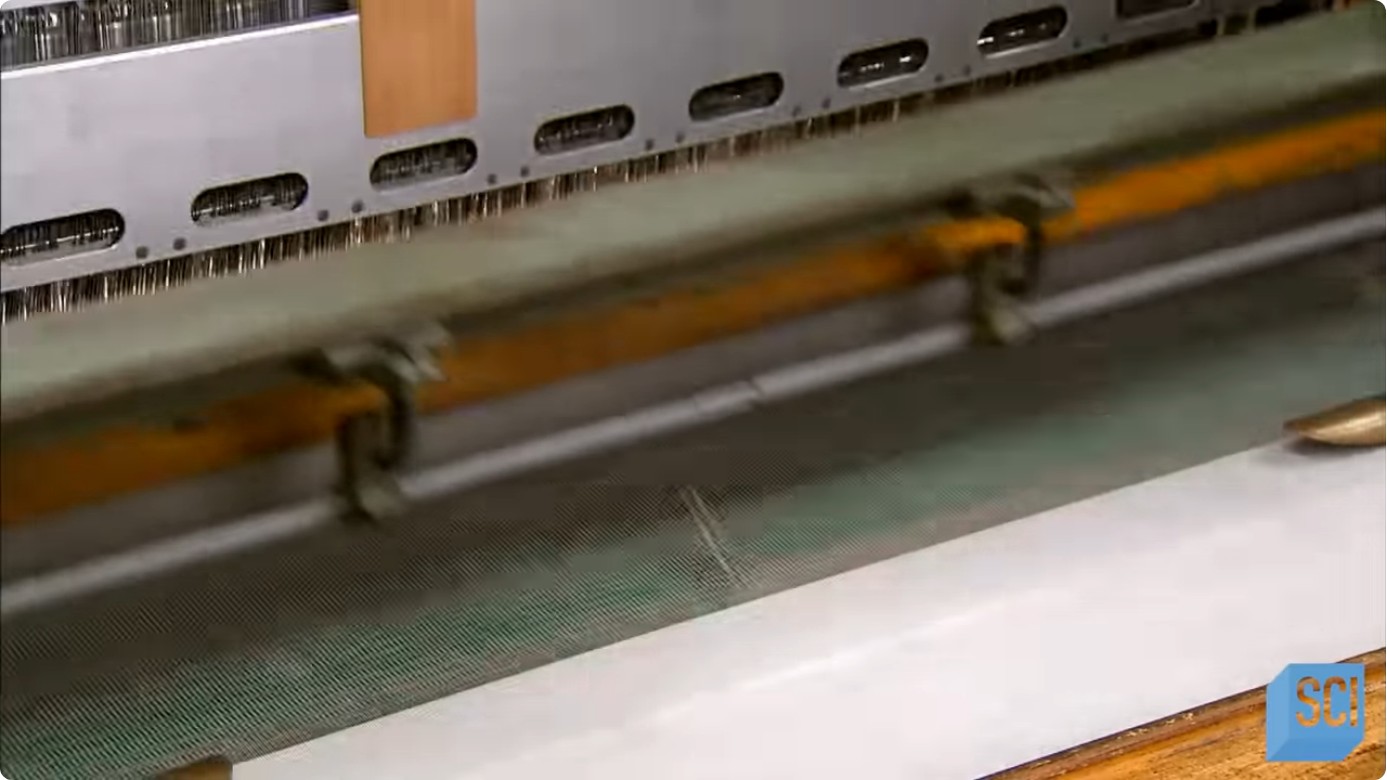
The process begins with a viscous solution of macrodiols and diisocyanates, which reacts to form the polyurethane polymer. This solution is forced through a spinneret—a plate with thousands of tiny holes—into a heated chamber. The solvent evaporates rapidly, leaving behind solid filaments. These filaments are then treated with a finish (often a silicone or other lubricant) to reduce friction, gathered into a tow, and finally stretched (drawn) under heat to align the molecular chains. This alignment is critical: it’s what gives spandex its powerful elastic recovery. The drawn filaments are wound onto spools, ready to be converted into the covered or core-spun yarns used in textile mills.
This complex production is why spandex is more expensive than most commodity fibers. Its cost is a primary factor in the 2-20% blend ratio; using more would be prohibitively expensive for most apparel applications. For a deeper look at fiber classification and production methods, the Association for the Advancement of Sustainability in Higher Education (AASHE) provides foundational textile resources.
Core Properties: What Gives Spandex Its Power
Understanding spandex requires focusing on its three most defining mechanical properties, and one critical weakness:
High Elasticity: This is the headline feature. Spandex can stretch to 4-8 times its original length (400-800% elongation) and return to its original shape with minimal deformation. This is orders of magnitude beyond cotton or polyester.
Excellent Recovery: More important than stretch alone is recovery—the ability to return to the original dimensions after deformation. High-quality spandex retains over 95% recovery after repeated stretching. This prevents garments from bagging out over time.
High Strength-to-Diameter Ratio: Despite its fine denier (often 10-30 denier per filament), spandex possesses significant tensile strength, especially when compared to its weight. This allows it to exert substantial restoring force without breaking.
Heat Sensitivity: This is the crucial caveat. Spandex begins to weaken at temperatures above 160°C (320°F) and will melt or degrade at typical ironing or high-heat drying temperatures. This dictates all care and manufacturing rules.
How Blending Dictates Performance
Spandex is never used alone in apparel fabrics. It is always integrated with another fiber—the “host” or “matrix” fiber—via one of two primary methods:
Core-Spun Yarn: A spandex filament is wrapped with fibers like cotton, polyester, or nylon during the spinning process. This creates a yarn where spandex is the core, providing stretch along the yarn’s length. This is the most common method for woven fabrics (like stretch denim) and some knits.
Covered Yarn: A spandex filament is physically wrapped with another yarn (often a textured polyester or nylon). This creates a highly elastic yarn used primarily in knitted fabrics like activewear, where maximum stretch is needed.
The percentage of spandex in the final fabric is the single most important variable. A 2% spandex content in a cotton knit might offer subtle comfort stretch. A 20% content in a nylon tricot knit creates the compressive, high-recovery fit of a competitive swimsuit. The host fiber provides everything else: aesthetics, hand, durability, moisture management, and cost.
Spandex is not a magic bullet. Its utility is highly situational, and understanding its trade-offs is key to successful fabric selection.
Ideal Scenarios for Spandex Blends
Performance & Activewear: The combination of stretch, recovery, and moisture-wicking host fibers (like polyester) is unbeatable for sports where a full range of motion is critical.
Form-Fitting Garments: From skinny jeans to bodycon dresses, spandex provides the “hug” that creates a sleek silhouette without sacrificing movement.
Shape Retention: Blends help garments resist stretching out from repeated wear and washing, extending their wearable life.
Comfort in Tight Garments: Even in non-athletic wear, a small percentage (2-4%) in a woven fabric like chino or denim dramatically improves comfort in fitted styles by allowing the fabric to yield slightly.
Critical Limitations and Cautions
Heat is the Enemy: This cannot be overstated. High-heat drying, ironing, or hot water washing will degrade spandex fibers, leading to permanent loss of elasticity, a “crunchy” hand, and broken filaments. Always wash in cool water and air-dry.
Abrion Resistance: Spandex fibers have low abrasion resistance. In high-friction areas (inner thighs, underarms), the spandex filaments can break through the host fiber cover, leading to “pilling” or tiny breaks where the fabric no longer stretches. This is a common failure point in low-quality blends.
UV Degradation: Prolonged exposure to sunlight weakens spandex. It’s a poor choice for outdoor awnings or marine applications (where latex or rubber is used instead).
Chemical Sensitivity: Chlorine bleach and strong alkalis can damage spandex. Use gentle, bleach-free detergents.
Cost: Spandex adds significant cost to a fabric. A 95% cotton/5% spandex knit will be materially more expensive than 100% cotton jersey.
Sourcing and Quality: What to Look For
For manufacturers and designers, sourcing spandex-blended fabrics involves navigating specifications that go beyond simple fiber content.
Certifications & Standards: Look for compliance with standards like AATCC testing methods for stretch and recovery (e.g., AATCC 147). The Federal Trade Commission (FTC) enforces accurate fiber content labeling in the US, ensuring “spandex” or “elastane” is correctly declared.
Supplier Transparency: A reputable supplier will provide detailed technical datasheets specifying: exact spandex % by weight, type of spandex (e.g., Invista Lycra®, Hyosung ROICA®), method of incorporation (core-spun vs. covered), and test results for stretch/recovery, durability, and pilling resistance.
“Hand” and Feel: The percentage and type of host fiber dramatically affect the fabric’s feel. A 20% spandex/80% nylon will feel slick and smooth. A 5% spandex/95% cotton will feel very close to 100% cotton but with more body. Request swatches and conduct wear trials.
Minimum Order Quantities (MOQs): Spandex-blended knits, especially high-tech performance fabrics, often have higher MOQs than basic woven textiles due to the specialized machinery required for core-spinning or covering.
The Care Imperative: Maximizing Garment Lifespan
The consumer’s laundering habits are the single biggest determinant of a spandex-blend garment’s lifespan. Poor care destroys elasticity long before the fabric physically wears out. Here is a practical checklist for garment labels and consumer guidance:
Wash Cool: Always use cold water (30°C / 85°F or below). Hot water accelerates fiber degradation.
Gentle Cycle: Use the delicate or permanent press cycle to minimize agitation and friction against other garments.
Mild Detergent: Avoid chlorine bleach and enzyme-heavy detergents that can attack the polymer chains.
NO Heat Drying: Air-dry exclusively. The heat from a dryer is the fastest way to ruin spandex’s recovery. If a dryer must be used, select the lowest heat setting (“air fluff” or “tumble dry low”) and remove while still damp.
Iron with Extreme Caution: If ironing is necessary, use the lowest heat setting (<150°C / 300°F), place a pressing cloth between the iron and fabric, and never leave the iron stationary. Steam can be used cautiously, but dry heat is safer.
Following these rules can extend the effective life of a spandex garment from 50 wears to 200 or more.
Environmental and Sustainability Considerations
Spandex, like all synthetic fibers, has a sustainability footprint. It is derived from petrochemicals (primarily MDI and PTMEG), and its production is energy-intensive. Key concerns include:
Non-Biodegradability: Spandex does not break down in landfill. It persists as microplastic.
Microplastic Shedding: Like polyester, spandex-blended fabrics release microfibers during washing, contributing to marine pollution. Using a guppybag or similar microfiber filter can mitigate this.
Recycling Challenges: Blended fabrics are notoriously difficult to recycle mechanically because separating the spandex from the host fiber (e.g., cotton) is complex and costly. Chemical recycling technologies are emerging but not yet scalable.
The industry is responding with innovations: bio-based spandex alternatives (using sugars or corn instead of petrochemicals), recycled content spandex, and fabrics designed for easier disassembly. However, for now, the most sustainable approach is to buy high-quality, durable spandex blends and care for them meticulously to maximize their usable life.
Decision Guide: Is Spandex Right for Your Project?
Before specifying a fabric, run through this quick checklist:
Do I need significant stretch and recovery? If “no,” avoid spandex. For minimal comfort stretch, consider a looser weave or a fiber with innate elasticity like a wool or a knitted construction without spandex.
What is the primary function? For high-performance athletics, prioritize a high-quality, covered-yarn spandex/nylon or polyester blend with moisture-wicking and anti-pilling finishes. For everyday denim, a low-percentage core-spun spandex in cotton is standard.
What is the end-user’s care behavior? If the garment is likely to be machine-dried (e.g., children’s wear, budget fashion), the spandex will fail prematurely. Consider alternative stretch fibers like T400® (a co-polyester with inherent stretch) or Creora® (a polyether-based elastane with better heat resistance), though these are less common and often more expensive.
What is the cost tolerance? Spandex adds cost. Balance the required performance against the target price point.
Is heat exposure likely? For garments requiring frequent ironing (e.g., dress shirts), spandex may not be suitable. Look for non-iron finishes on a small-percentage spandex blend, or consider a woven fabric with a looser construction for ease.
Common Questions
Is spandex the same as rubber or latex? No. Natural rubber and latex have high initial elasticity but poor recovery and degrade quickly with oxidation, UV, and heat. Spandex was developed as a superior, more durable synthetic alternative with consistent performance.
Why does my spandex garment feel “stiff” or “crunchy”? Almost certainly due to exposure to high heat (dryer, hot wash, iron). The polymer chains have been partially melted and set in a degraded state, destroying elasticity. It is irreversible.
Can I sew with spandex? Yes, but it requires adjustments. Use a ballpoint or stretch needle (size 75/11 or 80/12). Use a stretch stitch (like a narrow zig-zag) or a serger/coverlock machine. Do not pull the fabric as you sew; let the feed dogs move it. Use a walking foot for thick, stable knits.
What’s the difference between Lycra®, spandex, and elastane? “Lycra®” is a brand name (trademark of Invista) for a specific, high-quality spandex. “Spandex” is the generic name used primarily in the United States. “Elastane” is the generic name used in Europe and most of the world. They refer to the same fiber, but quality can vary between manufacturers.
Is spandex safe? Yes. Modern spandex is hypoallergenic and non-toxic. Concerns are primarily related to environmental persistence and microplastic shedding, not human health in finished garments.
Spandex is a transformative material that has reshaped our expectations of fit and comfort in clothing. Its power is undeniable, but it comes with specific care and engineering requirements. By understanding its properties, respecting its heat sensitivity, and making informed blending choices, designers can leverage its stretch effectively, and consumers can enjoy garments that retain their form and function for years. The future may bring more sustainable and resilient elastane variants, but for now, the informed use of traditional spandex remains a cornerstone of functional apparel design.