When you search for “terry towel fabric by the yard,” you’re entering a specific niche of textile sourcing. This isn’t about buying finished bath towels; it’s about procuring the uncut, continuous looped fabric itself for crafting, apparel, or small-batch production. Whether you’re a home sewer making a luxe robe, a small fashion brand developing a beachwear line, or a crafter designing weighted blanket covers, understanding this material is crucial. The quality, weight, and composition of terry fabric can dramatically affect your final product’s feel, durability, and functionality. This guide cuts through the marketing to give you the technical details and sourcing insights you need to choose the right terry toweling for your project.
We’ll break down the core distinctions in terry construction, decode label terminology like ” GSM” and “terry knit,” and walk through the key specifications to request from suppliers. You’ll learn where this fabric excels, where it fails, and how to navigate wholesale versus retail yardage purchases without overbuying or compromising on quality.
The Fundamental Split: Woven vs. Knit Terry
This is the single most important distinction. While both feature the signature loops on one or both sides, their base structure is entirely different, leading to divergent properties and uses.
Woven Terry (The Classic Towel)
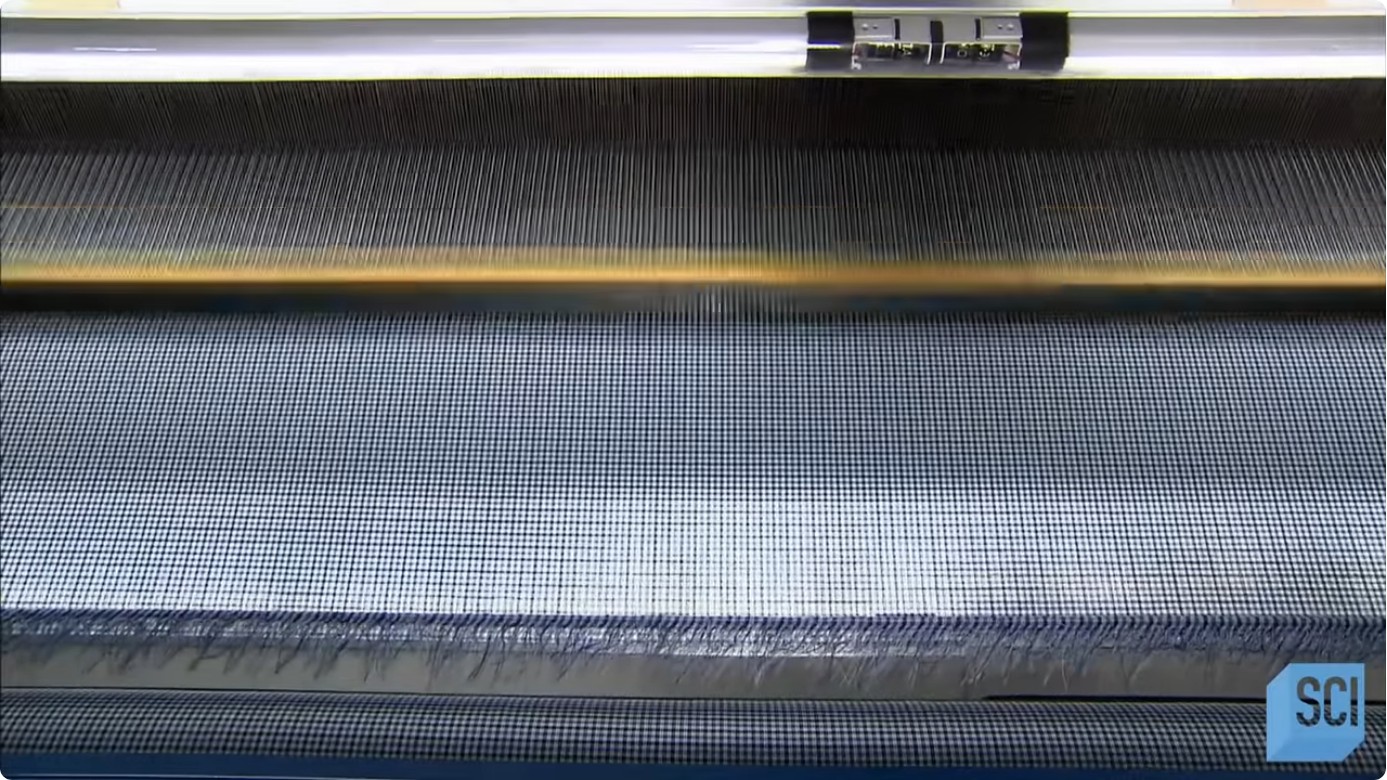
Made on a loom, this is the fabric of traditional bath towels. The loops are formed by an extra yarn (the pile) woven over a base weave (often a simple plain or twill).
Characteristics: Stable, low-stretch, and crisp when new. It has a defined, structured hand.
Absorbency: Excellent, as the loops stand upright, creating maximum surface area to wick moisture.
Best For: Bathrobes, beach towels, spa wraps, high-absorbency kitchen towels, and any application where stability is key (e.g., attaching heavy hardware like D-rings for a hanging organizer).
Limitation: Less forgiving in fitted garments; lacks natural stretch, which can restrict movement.
Knit Terry (The Soft, Stretchy Alternative)
Made on knitting machines (like jersey or fleece machines), the loops are formed by the knit structure itself. It feels more like a very soft, looped sweatshirt fleece.
Characteristics: Inherent stretch (usually 2-way), softer and drapier than woven terry. It’s generally lighter in weight.
Absorbency: Good, but the loops may lie flatter than upright woven loops, potentially offering slightly less initial wicking.
Best For: Baby clothes, loungewear, yoga towels, lightweight robes, and apparel where comfort and ease of movement are prioritized over maximum absorbency.
Limitation: Can be less durable under heavy abrasion than a dense woven terry. Stretch means patterns for fitted items must account for recovery.
Quick Decision Guide: If you need a structured, highly absorbent wrap or towel, choose woven terry. If you need a soft, stretchy, comfortable fabric for a robe or top that will see less rigorous use, choose knit terry.
Decoding the Specifications: What to Look For
Suppliers, especially wholesalers, will list technical specs. Knowing what they mean prevents costly mistakes.
1. Weight (GSM – Grams per Square Meter)
This is the industry standard for fabric weight. It directly correlates to thickness, density, and absorbency.
300-400 GSM: Lightweight. Common for baby towels, dish towels, and apparel. Quick-drying but less plush.
400-600 GSM: Medium/Standard Weight. The sweet spot for most bath towels and versatile robes. Good balance of absorbency and manageability.
600+ GSM: Heavyweight/Plush. Luxe bath towels, spa-quality. Very dense, highly absorbent, but slower to dry and more expensive.
Example: A beach towel for sand might be best at 400-500 GSM (good absorbency but not overly heavy when wet). A bathrobe for daily use might be ideal at 500-600 GSM for that premium, substantial feel.
2. Composition & Yarn Type
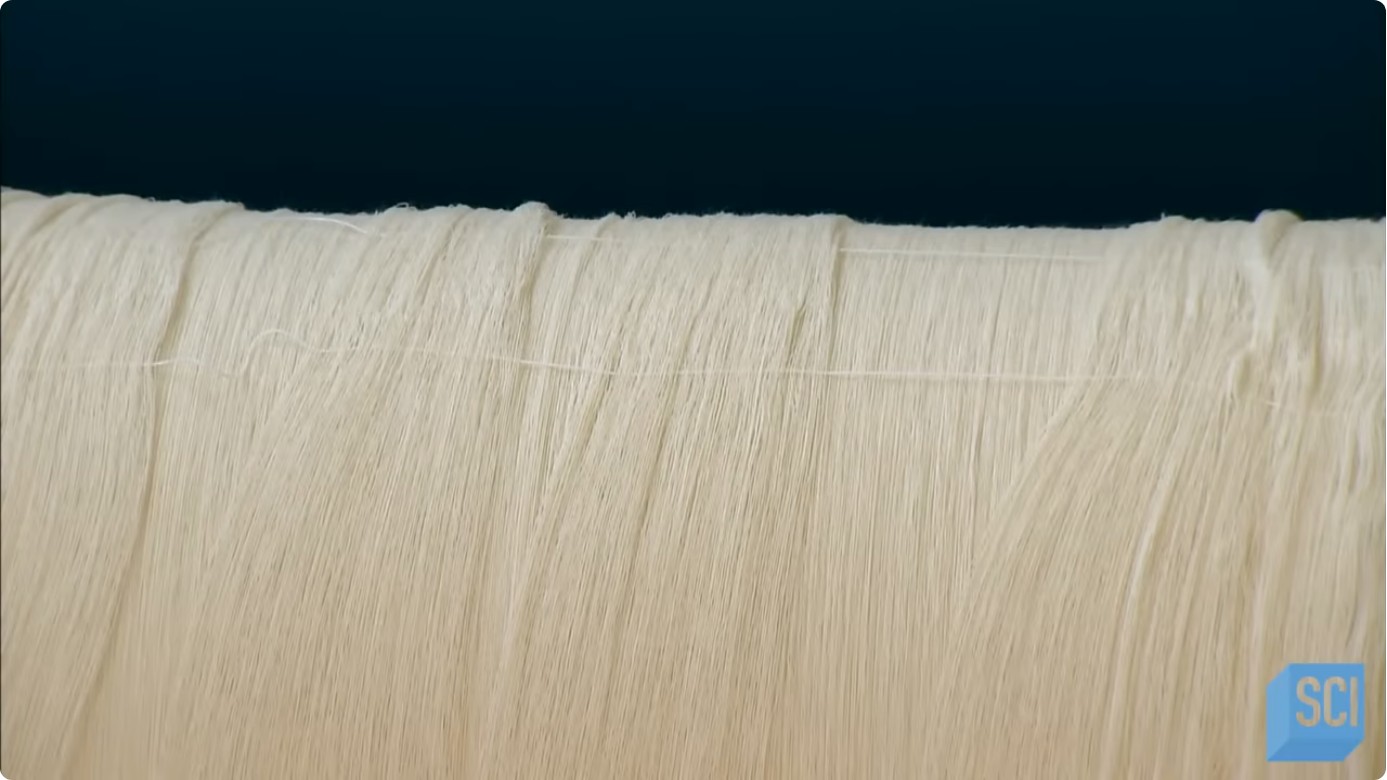
100% Cotton: The gold standard for absorbency and natural feel. Can be combed (softer, stronger) or carded (more texture, economical). Look for ring-spun cotton for the best durability and softness.
Cotton-Polyester Blends (e.g., 80/20, 60/40): More durable, faster drying, and less prone to mildew than 100% cotton. Absorbency is slightly reduced. Common in commercial/restaurant towels.
Microcotton or Supima® Cotton: Longer-staple fibers yield an exceptionally soft, strong, and smooth terry. Premium and expensive.
Bamboo/Viscose Blends: Incredibly soft and highly absorbent, with natural antimicrobial properties. Can be less durable and more prone to shrinking.
3. Loop Type & Construction
Double-Loop (Two-Ply): Loops are formed with two yarns twisted together. More durable, less prone to pulling or snagging. Standard for quality towels.
Single-Loop (One-Ply): Made with a single yarn. Softer initially but less durable; loops can break off more easily.
Terry on Both Sides (Double-Faced): Provides softness and absorbency on both sides, ideal for items like blankets or robes where you see the back.
Terry on One Side (Single-Faced): The back is a flat knit or weave. Used where you only want the terry surface (e.g., a towel with a decorative back).
Practical Applications & Sourcing Scenarios
Buying “terry towel fabric by the yard” shifts the focus from product to material. Here are common use cases:
The Home Sewist: Making a few robes or beach towels. You’ll likely buy 1-5 yards from an online retailer like Fabric.com or a specialty shop. Prioritize hand, GSM, and colorfastness. Check return policies for dye lots.
The Small Apparel Brand: Developing a loungewear set. You’ll need consistency and scalability. Sourcing 50+ yards from a wholesale fabric distributor (e.g., a regional textile converter or an online B2B platform like Texsource) is key. Request swatches and lab dips. Minimum order quantities (MOQs) apply.
The Product Developer: Creating a custom weighted blanket cover. Here, durability and washability are paramount. A 100% cotton, ring-spun, 400 GSM woven terry is a robust choice. You’ll be negotiating directly with a mill or a large jobber for hundreds of yards.
A critical caveat: Not all “terry” is created equal. A cheap, low-GSM, single-ply terry will feel thin and may pill or thin out quickly after a few washes. For any garment or item meant to last, investing in a higher-quality specification upfront saves money and frustration long-term.
Terry fabric, especially 100% cotton, will shrink. Pre-washing is non-negotiable for fitted garments. Here’s a practical checklist:
Pre-Wash Your Yardage: Wash and dry your terry fabric using the hottest water and hottest dryer setting you intend for the final product. This pre-shrinks it. Expect 3-8% shrinkage, sometimes more on low-quality fabric.
Use Mild Detergents: Harsh detergents and bleach can degrade cotton fibers and break down loops over time, causing thinning. For colored terry, follow the FTC’s care labeling guidelines.
Dry Thoroughly: Mildew loves damp, dense terry. Ensure it’s completely dry after washing. Tumble dry on medium-high heat.
Expect Pilling: All terry will pill to some degree. Higher GSM, ring-spun, and combed cotton resist pilling longer. A fabric shaver can be used on finished items.
Navigating the Supply Chain: From Retail to Wholesale
Where you buy dictates the terms. “By the yard” implies retail, but volume defines your options.
Retail Fabric Stores (Online/Offline): Best for 1-10 yards. You pay a premium for convenience, selection, and no MOQ. Ideal for testing a pattern or a one-off project. Check for sales and remnants.
Wholesale Fabric Jobbers/Distributors: For 10-100+ yard quantities. Prices per yard drop significantly. You’ll deal with sales reps, may need a business license or resale certificate, and must buy in full bolts (often 50-100 yards) or meet a dollar minimum. This is where you can specify exact GSM, composition, and loop type.
Direct from Mill (Converters): For 500+ yard runs. You work with a textile converter who sources greige (unfinished) fabric and finishes it (dyeing, napping) to your spec. This is custom manufacturing. Lead times are months, and costs require serious volume.
The sourcing tradeoff: Lower cost per yard = higher minimums, longer lead times, and less flexibility. Start with retail for prototyping. Scale to wholesale once your pattern and market are validated.
Common Questions
Can I use terry fabric for a fitted dress or pants? Generally, no. Woven terry has no stretch, making it uncomfortable and impractical for close-fitting garments. Knit terry *can* be used for loose-fitting pajama pants or a maxi dress, but its thick, bulky nature is better suited for draped or structured items like robes, skirts with a yoke, or relaxed tops.
What’s the difference between “terry velour” and regular terry? Velour is terry that has been sheared or sanded on the loop side to create a soft, napped, suede-like surface. It’s even plusher and softer than standard terry but can be less durable and more prone to crushing. It’s popular for high-end robes and baby items.
How do I ensure color consistency across multiple bolts? This is a major sourcing challenge. Always order a lab dip (a small dyed sample) and a full-width fabric swatch from the same production batch before committing to a large order. For large projects, buy all the yardage you need in one purchase from a single dye lot. Note the “dye lot number” on your bolt.
Is “French Terry” the same as terry towel fabric? No. French terry is a *knit* fabric with loops on one side and a smooth jersey on the other. It is fundamentally different from terry toweling, which is almost always a heavier, more densely looped fabric specifically designed for high absorbency. Do not substitute them. The construction, weight, and purpose are distinct.