Address
304 North Cardinal
St. Dorchester Center, MA 02124
Work Hours
Monday to Friday: 7AM - 7PM
Weekend: 10AM - 5PM
Address
304 North Cardinal
St. Dorchester Center, MA 02124
Work Hours
Monday to Friday: 7AM - 7PM
Weekend: 10AM - 5PM
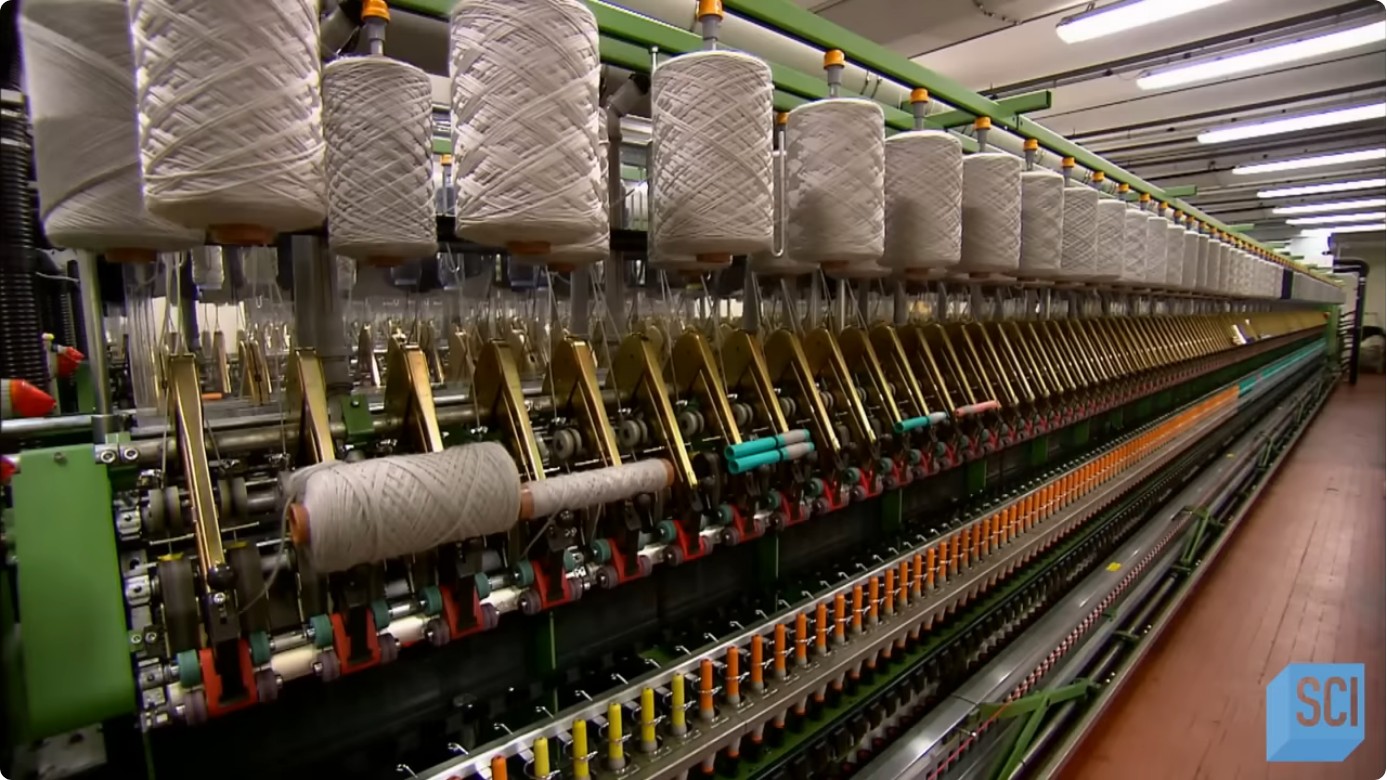
If you’ve ever reached for a pair of rugged denim jeans, a comfortable chino, or a soft flannel shirt, you’ve already interacted with twill cotton fabric. The term ’twill’ refers not to the cotton fiber itself, but to a specific weaving technique that creates a distinctive diagonal rib pattern on the fabric’s surface. This structural characteristic gives twill its renowned durability, excellent drape, and signature texture, making it one of the most versatile and widely used cotton constructions in apparel and home textiles. Understanding twill helps you choose the right fabric for a project, whether you’re a designer, a sewer, a business sourcing materials, or just a curious consumer wanting to understand what makes your favorite shirt so comfortable.
This guide will deconstruct twill cotton fabric, moving beyond the basic definition to explore its construction, performance nuances, common variants, and practical considerations for sourcing and care. We’ll clarify where the weave’s strengths become weaknesses and provide a framework for evaluating twill for your specific needs.
Before diving into details, here are the core takeaways that define twill and inform its best uses:
The magic of twill is in its repeat pattern. The most basic 2/1 twill has the weft thread go over two warp threads and under one. On the next row, this pattern is shifted by one thread. This offset is what forms the continuous diagonal line. The direction of this line—slanting up to the right or left—is called the ’twill direction.’
Common Twill Variations:
You can often identify a twill fabric by looking at its selvedge edge (the finished edge on the bolt of fabric). The characteristic diagonal pattern will be clearly visible running parallel to the edge.
Twill’s structure creates a specific set of performance characteristics. It’s crucial to weigh these against your project’s requirements.
| Characteristic | Advantage (The Good) | Caveat (The Tradeoff) |
|---|---|---|
| Durability & Tear Resistance | High. The distributed interlacing points make it harder for a snag to propagate into a large tear. Excellent for workwear and heavy-use items. | The long floats can catch on sharp objects more easily than a tight plain weave, potentially leading to a snag that can then turn into a run. |
| Drape & Hand (Feel) | Generally soft and supple with good body. It hangs well and feels less stiff than a canvas or oxford cloth of similar weight. | Can feel limp or overly heavy if the yarn count is very low and the weave is loose. Not ideal for structured garments requiring crispness. |
| Wrinkle Resistance | Better than plain weaves like poplin. The texture and give in the fabric allow it to relax wrinkles somewhat. | Not wrinkle-free. Heavier twills will crease sharply and hold those creases. Lightweight twills may recover better. |
| Stain Visibility | The diagonal texture and often brushed nap help to camouflage minor spills and dirt. | Oils and greases can still wick along the long floats and become highly visible dark spots once set. |
| Shrinkage | Modern sanforization processes have largely mitigated this for apparel-grade twill. | Unsanforized or loosely woven twill (like some craft fabrics) can shrink 5-10% in one wash. Always pre-wash if shrinkage is a concern. |
| Breathability | Moderate. The floats create small air pockets, but the fabric is denser than a plain weave. Suitable for mid-weight apparel. | Not as breathable as a lightweight, open plain weave (e.g., voile) for hot, dry climates. Can feel warm. |
‘Cotton twill’ describes the combination of a cotton fiber with a twill weave. However, the specific type of cotton fiber dramatically alters the final product’s cost, feel, and performance.
| Cotton Type | Typical Use in Twill | Characteristics & Feel |
|---|---|---|
| Carded Cotton | Denim, workwear twill, basic chinos, flannels. | Yarn has a fuzzy, rustic texture. Less expensive, more durable in some ways, but less soft and smooth. The texture shows clearly in the final fabric. |
| Combed Cotton | Higher-end chinos, dress twills, quality shirts. | Fibers are aligned before spinning, removing short fibers. Results in a smoother, stronger, softer yarn with a cleaner surface. More expensive to produce. |
| Organic Cotton | Eco-conscious apparel, baby clothing, premium basics. | Grown without synthetic pesticides/fertilizers. Feels and performs similarly to conventional cotton of the same type (carded/combed) but carries certification premiums (e.g., GOTS). |
| Supima® / Pima Cotton | Luxury dress shirts, high-end casual wear. | Extra-long staple (ELS) fibers. Produces an exceptionally smooth, strong, and lustrous yarn that resists pilling. The premium choice for soft, durable twill. |
The weave’s versatility is evident in its range of applications, primarily dictated by yarn count and finishing.
Whether buying fabric by the yard or finished goods, ask these questions to cut through marketing terms:
For wholesale sourcing, establish relationships with reputable fabric distributors who provide clear specs and samples. Performance fabric suppliers may offer twills with added treatments (e.g., wrinkle-resistant, moisture-wicking, stain-repellent) that bond to the cotton fibers. Always test these finishes for durability and feel, as they can sometimes add stiffness or reduce breathability.
Proper care maximizes the life and appearance of twill cotton.
Before settling on a twill, run through this quick mental checklist:
Twill cotton fabric’s enduring popularity is a testament to its balanced performance. By understanding its weave structure, the impact of the cotton fiber, and its inherent tradeoffs, you can move beyond vague descriptors like ’twill’ to make precise, confident material choices that align with your functional and aesthetic goals. Whether you’re specifying fabric for a new product line or selecting material for a home-sewn project, this knowledge turns a generic fabric category into a powerful design tool.