Address
304 North Cardinal
St. Dorchester Center, MA 02124
Work Hours
Monday to Friday: 7AM - 7PM
Weekend: 10AM - 5PM
Address
304 North Cardinal
St. Dorchester Center, MA 02124
Work Hours
Monday to Friday: 7AM - 7PM
Weekend: 10AM - 5PM
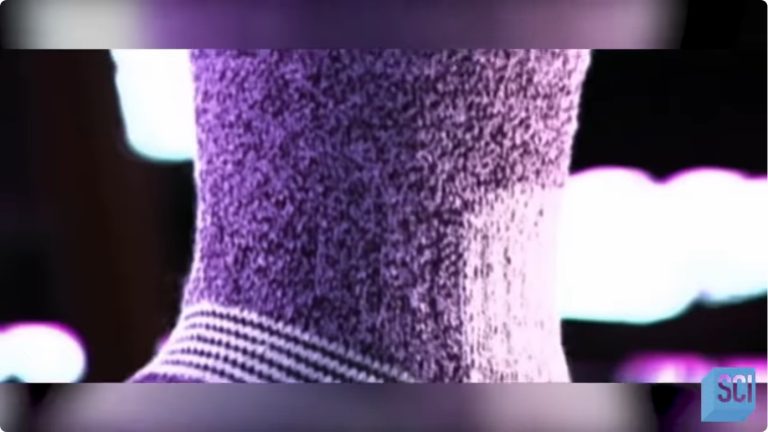
If you’ve ever pulled on a comfortable crewneck t-shirt, a form-fitting dress, or a pair of performance cycling shorts, you’ve likely experienced the distinctive stretch and texture of ribbed knitted fabric. It’s a staple, but often misunderstood. Many people use the term “ribbed” to describe any vertical striped texture, but in technical textile terms, it specifically refers to a specific type of weft-knit construction where the wales (vertical columns of loops) alternate between plain knit and reverse purl stitches. This simple structural variation creates a fabric with exceptional elasticity, a textured surface, and a natural tendency to contract widthwise. Understanding this fundamental structure is key to predicting how the fabric will behave in a garment, how it should be sourced, and where its true strengths—and limitations—lie.
This guide cuts through the confusion. We’ll explore exactly what makes a knit “ribbed,” how different fiber choices and construction variables change its performance, and provide actionable advice for designers, product developers, and small business owners on selecting and sourcing the right ribbed knit for their specific application. Whether you’re evaluating fabrics for a new activewear line, a basics collection, or a technical outerwear piece, knowing the nuances of rib construction will directly impact fit, durability, and cost.
At its core, all weft knitting involves interlocking loops of yarn in a horizontal row-by-row process. A standard plain knit (also called jersey) looks the same on both sides—it’s a consistent “V” pattern. Ribbed knit is created by alternating knit stitches and purl stitches in the same wale. This is achieved by using multiple needle beds or a specialized rib knitting machine that can knit on both sides simultaneously.
Related guide: The Complete Guide to 100% Cotton Jersey Knit: Properties, Uses, and Sourcing
The most common rib pattern is 1×1 rib, where one knit stitch is followed by one purl stitch, repeating across the needle bed. This creates a balanced fabric with equal numbers of knit and purl wales. Other patterns like 2×2 rib (two knits, two purls) or 3×1 rib create a broader, more pronounced rib effect. The “x” refers to the number of knit stitches followed by the number of purl stitches in the pattern repeat.
Think of a classic cotton t-shirt fabric—that’s usually a single jersey. One side shows the smooth “V” loops, the other side shows the cross-arms of the loops (the purl side). It has moderate stretch primarily in the width (cross-grain) due to the loop structure, but minimal lengthwise recovery. Now, take that same t-shirt fabric and look at the cuff or neckline. That binding is almost certainly a 1×1 rib. It’s narrower, more textured, and when you stretch it widthwise, it snaps back aggressively. That’s the defining characteristic of rib: significant widthwise stretch paired with strong elastic recovery, a direct result of the alternating stitch structure allowing the purl wales to expand and contract.
The alternating stitch structure grants ribbed knits a distinct mechanical profile that sets them apart from other knit constructions. These properties are not just academic; they dictate design possibilities and manufacturing considerations.
Key Behavioral Traits:
The base yarn fiber fundamentally alters the performance envelope of a ribbed knit. The construction provides the structure, but the fiber provides the character. Here’s a breakdown of common material categories and their implications.
| Fiber/Blend | Primary Characteristics in Rib Construction | Best-Suited Applications | Key Trade-offs & Considerations |
|---|---|---|---|
| 100% Cotton (often mercerized) | Soft, breathable, good absorbency. Recovery is moderate and can fatigue over time. Can shrink significantly if not sanforized. | Casual t-shirts, lightweight loungewear, basic layering pieces. | Low inherent stretch; relies entirely on rib construction for elasticity. Prone to permanent deformation under heavy load. Requires careful pre-shrinking. |
| Cotton/Spandex (Lycra®) Blend | The industry standard for performance fit. Spandex (typically 5-15%) provides powerful, lasting recovery and stretch. Maintains cotton’s soft hand. | Athletic t-shirts, form-fitting dresses, swimwear, leggings, underwear. | Spandex degrades with chlorine, high heat, and repeated abrasion. Cost is higher than 100% cotton. Requires precise knitting tension to avoid “spandex whiskering.” |
| Polyester/Nylon & Blends | High durability, excellent moisture-wicking, quick-drying, strong dimensional stability. Can be engineered for very fine or very bulky textures. | Performance activewear, swimwear, outerwear trims, workwear, industrial applications. | Less breathable than natural fibers unless specially engineered (e.g., with mesh panels). Can feel less soft and more “plastic” unless brushed or mercerized. Static buildup can be an issue. |
| Wool (Merino, etc.) | Natural temperature regulation, odor resistance, excellent drape. Merino rib is soft and fine; wool bouclé creates a chunky, textured rib. | Base layers, high-end knitwear, outdoor apparel, thermal wear. | Can be itchy (unless fine Merino). More delicate; requires gentle care (hand wash). Pilling can occur on shorter-staple wools. Costly. |
| Rayon/Viscose & Modal | Luxurious drape, silk-like softness, excellent breathability, good dye affinity for vibrant colors. | Luxury casualwear, draped dresses, soft blouses, loungewear. | Weak when wet, significant shrinkage, poor recovery (can stretch out permanently). Often blended with cotton or spandex to mitigate weaknesses. |
| Recycled & Sustainable Blends | E.g., recycled polyester/cotton, Tencel™ lyocell blends. Offer similar performance to virgin counterparts with lower environmental impact. | Eco-conscious fashion lines, basics, activewear brands with a sustainability mandate. | Supply chain consistency can vary. May have slightly different hand or performance than virgin fiber equivalents. Often at a price premium. |
The choice to use ribbed knit is rarely about aesthetics alone; it’s a functional decision. Its primary role in a garment is to provide controlled, directional stretch and secure recovery in areas that require it most.
When moving from a swatch to a production order, several technical specifications become critical. Communicating these clearly to a fabric supplier or mill is essential for getting the right material.
A Sourcing Checklist for Ribbed Knit:
Also read: Terry Towelling Fabric: Beyond the Bath Towet
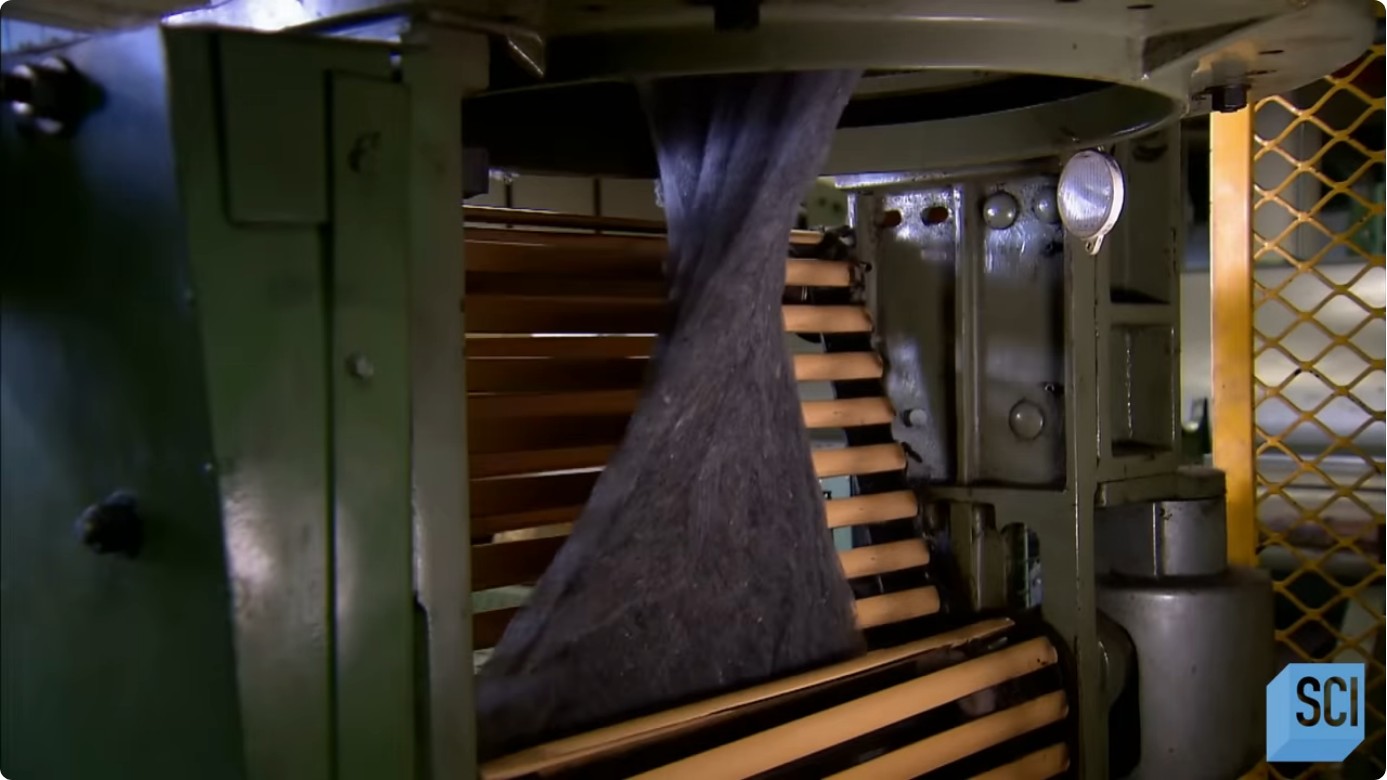
Ribbed knit is produced on specialized circular rib knitting machines. Large textile mills produce it in massive, consistent runs. For wholesale, you typically have two paths:
For new designers, starting with a reputable jobber like Mood Fabrics (for a broad commercial selection) or a specialized knit distributor is the most practical path. When scaling, engaging a sourcing agent or directly with a knit mill in a region like Turkey or India becomes cost-effective.
Ribbed knit’s strengths are clear, but its quirks can trip up the uninit designer or pattern maker.
Ribbed knitted fabric is not a monolithic material; it’s a family of constructions defined first by its stitch structure and second by its fiber composition. Its value lies in providing predictable, directional elasticity and recovery where fit and shape retention are paramount. The decision to use it should be driven by a specific functional need—a waistband that won’t sag, a cuff that stays in place, a body that moves with the wearer.
Successful application hinges on three things: a clear understanding of the rib ratio’s visual and mechanical effect, a realistic assessment of how the chosen fiber’s properties (stretch, recovery, durability, hand) align with the garment’s use case, and meticulous communication with your fabric supplier using precise, measurable specifications. Treat rib not as a generic “stretchy fabric,” but as a precise engineering component in your garment’s construction.
Is ribbed knit suitable for formal wear?
Yes, but selectively. Fine, smooth ribs in luxurious fibers like mercerized cotton, silk blends, or fine wool can work beautifully for structured dresses, blazers, or formal shirts. The key is a fine gauge and a refined hand that avoids a casual, “athletic” texture.
How do I care for garments made from ribbed knit to maximize longevity?
Always check the care label. As a rule: wash in cool water on a gentle cycle, inside-out. Avoid high heat in drying and ironing, which can damage spandex and set shrinkage. For wool or delicate rays, hand wash is best. Store folded, not hung, to prevent permanent stretching from hanger weight.
What’s the main difference between 1×1 rib and interlock knit?
While both are double-knit constructions with good recovery, interlock is made by interlocking two jersey fabrics together. It’s smoother on both sides, has a firmer, less textured hand, and typically has more balanced two-way stretch. Rib has a distinct textured face and is more dramatically elastic and contractive in the width. Interlock is often used for t-shirt fronts; rib is for cuffs and form-fitting panels.
Related guide: Quilted Knit Fabric: A Practical Guide to Construction, Properties, and Sourcing