Address
304 North Cardinal
St. Dorchester Center, MA 02124
Work Hours
Monday to Friday: 7AM - 7PM
Weekend: 10AM - 5PM
Address
304 North Cardinal
St. Dorchester Center, MA 02124
Work Hours
Monday to Friday: 7AM - 7PM
Weekend: 10AM - 5PM
When you hear “interlock fabric,” you might picture a soft, sturdy cotton blend perfect for t-shirts or baby clothes. But the term “interlock” actually describes a specific knitting structure, not the fiber itself. This nuance leads to a common question: is interlock fabric cotton? The reality is that interlock can be made from 100% cotton, cotton blends, or entirely synthetic fibers. Understanding this distinction is essential for anyone involved in apparel design, manufacturing, or sourcing, as it directly impacts garment performance, cost, and sustainability.
This guide cuts through the confusion. We’ll explore the mechanics of the interlock weave, examine the fibers commonly used, and provide practical insights to help you choose the right fabric for your project. Whether you’re comparing wholesale suppliers or optimizing for comfort and durability, knowing what interlock truly is will save you from costly missteps.
Before diving deeper, grasp this fundamental point: interlock is a weave structure, cotton is a natural fiber. They are independent characteristics. An interlock knit can be constructed from cotton, polyester, rayon, or any blend. This means you can have 100% cotton interlock, 50/50 cotton-polyester interlock, or even 100% polyester interlock. The weave defines the fabric’s texture and stability, while the fiber determines its breathability, moisture-wicking, and environmental impact. Your decision should always consider both elements separately and together.
You may also like: The Waffle Knitted Sweater: A Practical Guide to Fabric, Fit, and Function
Interlock knit is a variant of double knitting, where two layers of fabric are knitted simultaneously and interwoven. Unlike single knits like jersey (which has a smooth front and purl back), interlock uses two sets of needles to create two linked fabrics that are essentially glued together by the knitting process. This results in a reversible fabric with identical faces on both sides—a key feature that makes it popular for garments where both sides are visible, like scarves or reversible jackets.
The construction gives interlock its signature qualities:
For a technical deep-dive into knit structures, resources from the Textile Institute or industry standards like ASTM D4964 for elastic properties provide authoritative definitions.
Here’s where the confusion thrives. Many people associate interlock with cotton because it’s widely used in cotton-based apparel. However, the fiber choice is separate from the weave. Here are common combinations:
When crafted from 100% cotton, interlock offers excellent breathability, softness, and natural comfort. It’s ideal for everyday wear, children’s clothing, and basics. But pure cotton interlock can shrink and wrinkle, so pre-washed or mercerized versions are often preferred for stability. Cotton also absorbs moisture well, making it suitable for casual wear but less ideal for high-sweat activities unless blended.
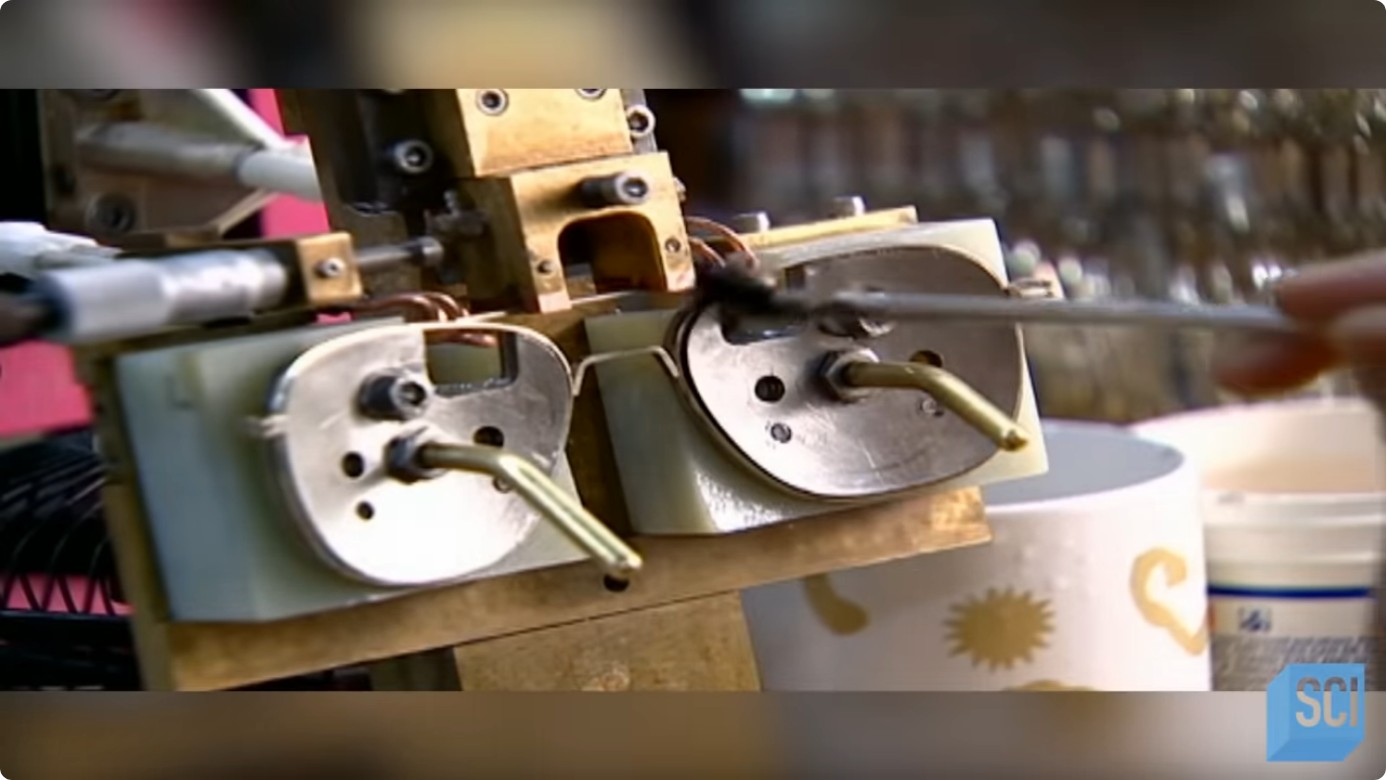
Blends dominate the market. A typical cotton-polyester interlock (e.g., 60/40 or 50/50) balances cotton’s comfort with polyester’s durability, wrinkle resistance, and moisture-wicking. This hybrid is a workhorse for uniforms, polo shirts, and performance casualwear. The blend ratio directly affects feel and performance—higher cotton means softer but more shrinkage; higher polyester means more durable and quick-drying but potentially less breathable.
Interlock can be made from 100% polyester, nylon, or performance fibers like spandex for added stretch. These are common in athletic wear and activewear where moisture management and shape retention are critical. Rayon or modal blends offer a silkier drape. Even sustainable options like organic cotton or recycled polyester interlock are available from specialty suppliers.
To verify fiber content, always check the garment label or fabric certification. Standards from organizations like Textile Exchange help identify organic or recycled content, which is increasingly important for eco-conscious sourcing.
The interlock weave imparts specific characteristics that interact with fiber content. Use this comparison to guide your choices:
| Characteristic | Impact of Interlock Weave | Influence of Cotton Fiber | Influence of Synthetic Blend |
|---|---|---|---|
| Softness & Comfort | Smooth on both sides, medium thickness | High natural softness, improves with washing | Can be soft but may feel slicker; depends on finish |
| Durability | Very stable, resists runs and pulls | Good but can wear over time; prone to pilling | Excellent abrasion resistance; less pilling |
| Moisture Management | Moderate wicking due to double layer | Absorbs well but dries slowly | Wicks quickly; dries fast |
| Shrinkage & Wrinkle Resistance | Minimal distortion due to stability | High shrinkage if not pre-treated; wrinkles easily | Low shrinkage; wrinkle-resistant |
| Stretch & Recovery | Limited natural stretch; stable fit | Minimal stretch; may bag over time | Can add spandex for high stretch and recovery |
Tradeoff Alert: The double-layer construction makes interlock less breathable than single knits like jersey, especially in 100% cotton. For hot climates or intense activity, a cotton-poly blend or synthetic interlock might be preferable despite the weave.
More advice: Is Jersey 100% Cotton? Understanding the Fabric’s True Composition
Interlock’s balance of stability and comfort makes it versatile. Typical uses include:
When sourcing interlock fabric wholesale, clarify these points with suppliers:
Your choice hinges on the end use. Here’s a quick reference:
Caveat: High-cotton content interlock may not be suitable for performance activewear due to slower drying times. Conversely, 100% synthetic interlock might lack the softness desired for luxury basics. Always prototype with the exact fabric blend before full production.
Can interlock fabric be 100% cotton? Yes, absolutely. Interlock is a weave, so it can be made from any fiber, including 100% cotton. Look for labels specifying “100% cotton” and “interlock knit.”
Is interlock softer than jersey? Often, yes. The double-layer construction of interlock can feel smoother and less prone to curling, but softness depends more on fiber content and finishing. A high-quality cotton jersey can be very soft too.
Does interlock shrink a lot? Shrinkage is primarily a fiber issue, not a weave issue. 100% cotton interlock will shrink if not pre-shrunk. Blends with polyester shrink less. Always wash test samples.
Is interlock good for summer? It depends. 100% cotton interlock is breathable but heavy; a lighter weight cotton-poly blend might be better for hot weather due to improved wicking. For extreme heat, consider single knits with better airflow.
How do I identify interlock fabric? Look at both sides: they should be identical with a slight diagonal texture. Stretch it—it will have moderate recovery and less stretch than rib knits. The edges should lie flat without curling.
More advice: Double Knit Fabric: A Practical Guide to Construction, Properties, and Sourcing


