Address
304 North Cardinal
St. Dorchester Center, MA 02124
Work Hours
Monday to Friday: 7AM - 7PM
Weekend: 10AM - 5PM
Address
304 North Cardinal
St. Dorchester Center, MA 02124
Work Hours
Monday to Friday: 7AM - 7PM
Weekend: 10AM - 5PM
If you’ve ever wondered why your favorite swimsuit feels so different from your everyday clothes, the answer lies almost entirely in its fabric. The common assumption might be that bathing suits are just a tighter version of regular clothing, but the reality is that swimwear is a specialized piece of performance apparel. It must withstand constant exposure to chlorine, saltwater, UV radiation, and repeated stretching while maintaining its shape and providing coverage. This guide cuts through the marketing jargon to explain the actual materials—primarily synthetic blends—that make modern swimwear function, and helps you understand what to look for based on your needs.
While you might find rare, luxury examples using natural fibers like silk, over 99% of mass-produced and performance bathing suits are made from engineered synthetic polymers. The reason is simple: natural fibers like cotton, wool, or linen absorb water, become heavy, lose their shape when wet, and degrade rapidly in chlorinated or salty environments. The swimwear industry relies on a few key synthetic families, each with distinct properties that are then blended to achieve the perfect balance of stretch, recovery, durability, and feel.
The two workhorse fibers in swimwear are nylon (often branded as SUPPLEX® or CORDURA® when textured) and polyester. They form the structural base of the fabric, providing strength, abrasion resistance, and quick-drying characteristics.
More advice: Bamboo Knit Fabric: A Practical Guide to Properties, Performance, and Sourcing
Nylon, specifically nylon 6 or nylon 6,6, is prized in swimwear for its exceptional softness and smooth hand feel. It has a natural sheen that many associate with a premium look. Nylon is also highly resistant to abrasion, meaning it can withstand the friction of sitting on pool decks or rough sand without pilling or tearing as quickly as some alternatives.
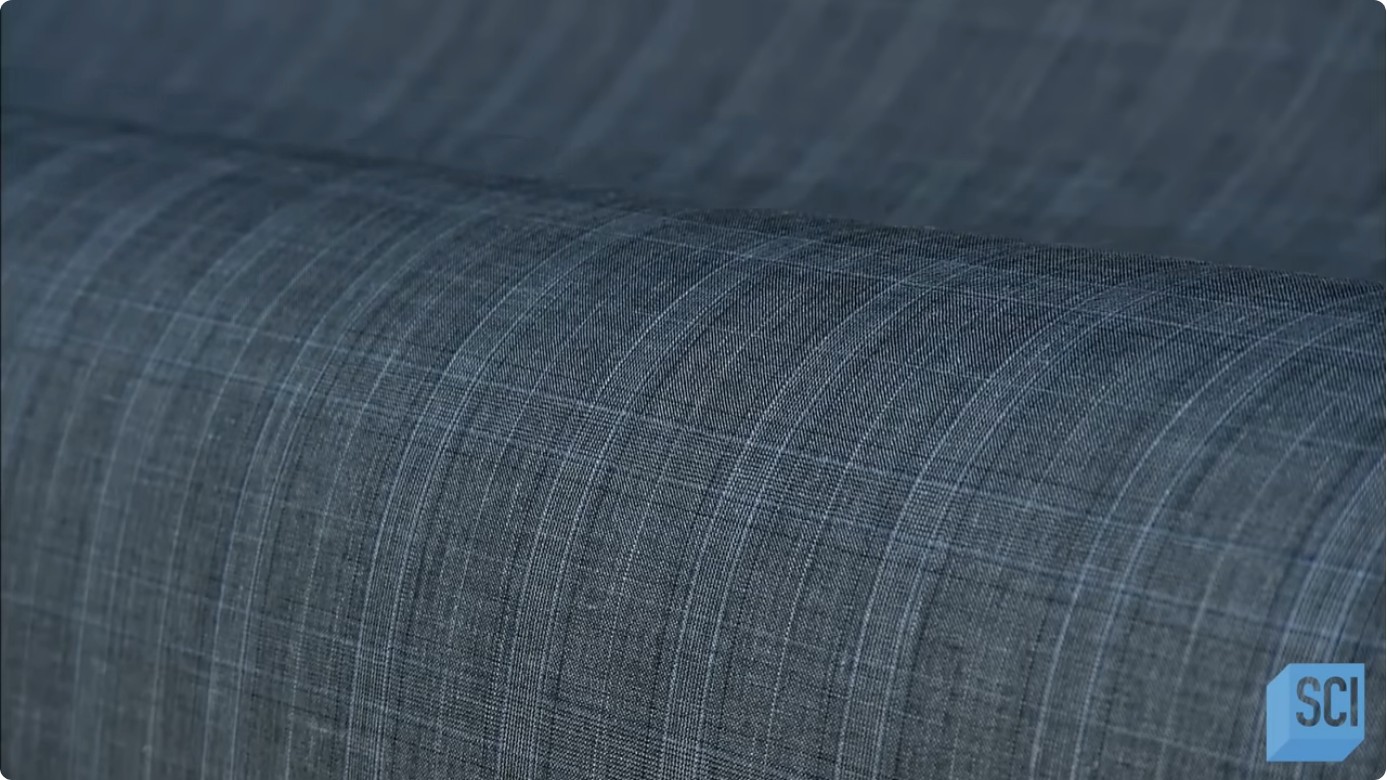
Polyester is the champion of longevity in swimwear. It boasts superior UV and chlorine resistance compared to nylon, meaning a polyester-dominant suit will retain its color and structural integrity for a much longer time, especially with frequent pool use. Modern textile engineering has created incredibly soft, fine-denier polyester fibers that feel less “plastic” than older versions.

No discussion of swim fabric is complete without spandex. This is the magic fiber that provides the critical stretch and recovery that allows a swimsuit to hug the body and return to its original shape. Spandex (known as Lycra® in some branded forms, or elastane in Europe) is a polyurethane-based fiber capable of stretching 5-8 times its resting length. It is almost never used alone but is blended into the nylon or polyester base.
The percentage of spandex in a swim fabric typically ranges from 10% to 25%. A higher percentage means more stretch and compression but can also lead to faster degradation of the spandex itself, especially from chlorine. A well-engineered fabric will balance spandex content with the base fiber to provide support without sacrificing durability.
The final feel and performance of a swimsuit depend on the exact blend ratio and how the yarns are knitted or woven. Here are common constructions:
Most swim fabrics are double-knit, meaning they are essentially two fabrics bonded together. This construction provides:
Single-knit fabrics are lighter, softer, and more flexible but can be less opaque and may show stretch lines more easily. They are common in high-end fashion swimwear where a second-skin feel is prioritized.
Fabrics like SUPPLEX® are nylon that has been texturized (given a fuzzy surface) during manufacturing. This process makes the fabric:
Smooth, high-gloss fabrics offer a classic, wet-look aesthetic but can be more prone to showing any imperfections in body shape or suit construction.
The base fiber is just the start. Modern swimwear often incorporates additional technologies:
The environmental impact of virgin petroleum-based synthetics is a growing concern. The swimwear industry has responded with innovative alternatives:
| Fiber Type | Source | Key Characteristics for Swimwear | Considerations |
|---|---|---|---|
| ECONYL® | Recycled nylon from fishing nets, carpet fluff, and textile waste. | Identical performance to virgin nylon. Closed-loop recycling process. | Still a synthetic; microplastic shedding occurs during washing. |
| Recycled Polyester (rPET) | Recycled plastic bottles. | Good durability and UV resistance. Diverts waste from landfills. | Quality can vary. The recycling process can be energy-intensive. |
| Bio-based Nylon (e.g., from castor oil) | Renewable plant-based resources instead of petroleum. | Performance similar to traditional nylon. Reduced carbon footprint. | Not biodegradable. Still requires recycling infrastructure. |
Important Caveat: Even recycled synthetics shed microplastics. Using a microplastic filter bag (like those from Guppyfriend or Cora Ball) when washing swimwear can significantly reduce plastic pollution.
Your ideal swim fabric depends entirely on how you use the suit. Use this checklist to guide your choice:
Even the best swim fabric will fail prematurely without proper care. The single most damaging factor is chlorine. Always rinse your suit in cool, fresh water immediately after swimming in a pool or ocean. Do not wring it out; gently squeeze excess water and lay it flat to dry in the shade, away from direct sunlight and heat sources, which can degrade spandex and fade colors. Never machine dry or iron directly on the fabric. Hand wash occasionally with a mild, bleach-free detergent formulated for synthetics.
Can I swim in a cotton swimsuit? Technically yes, but it’s not advisable. Cotton absorbs up to 27 times its weight in water, becomes heavy, stretches out permanently, and takes forever to dry. It offers no UV protection when wet and will degrade quickly in chlorine.
What’s the difference between Lycra® and spandex? Nothing, in terms of the fiber itself. Lycra® is the branded trademark for a specific type of spandex made by The Chemours Company. All Lycra® is spandex, but not all spandex is Lycra®. The brand often denotes a certain quality standard.
Why does my cheap swimsuit become see-through when wet? This is usually due to a combination of using a single-knit fabric (less opaque by design) and/or using too little spandex in the blend, which causes the knit structure to open up significantly when stretched by water weight. A well-constructed double-knit with an appropriate spandex content will remain opaque.
Ultimately, the “best” fabric is the one correctly matched to its intended use. By understanding the fundamental trade-offs between nylon’s softness, polyester’s durability, and spandex’s stretch, you can move beyond vague marketing terms and make an informed choice that will keep your swimwear looking and performing its best, season after season.
Helpful tip: Buying Terry Cloth Fabric by the Yard: A Practical Guide