Address
304 North Cardinal
St. Dorchester Center, MA 02124
Work Hours
Monday to Friday: 7AM - 7PM
Weekend: 10AM - 5PM
Address
304 North Cardinal
St. Dorchester Center, MA 02124
Work Hours
Monday to Friday: 7AM - 7PM
Weekend: 10AM - 5PM
If you’re exploring sustainable apparel fabrics, you’ve likely encountered the term “organic French terry.” But what does that actually mean, and is it just a premium label, or a tangible upgrade? At its core, organic French terry is a specific type of knitted fabric—recognizable by its soft, looped back and smooth face—made from cotton (or a blend) that is certified to meet rigorous organic agricultural standards. The “organic” modifier fundamentally changes the story, impacting everything from farm practices and chemical use to the final hand feel and suitability for sensitive skin. This guide cuts through the marketing to explain the construction, real-world benefits, sourcing considerations, and ideal applications of this popular textile.
Choosing organic French terry isn’t just an environmental statement; it’s a technical decision with trade-offs in cost, performance, and care. Whether you’re a small brand developer, a conscious consumer, or a sourcing manager, understanding these nuances is key to selecting the right fabric for your project. We’ll break down the fabric’s anatomy, decode the certifications that matter, and provide a practical framework for evaluating suppliers and managing production expectations.
French terry is defined by its knit construction. It’s typically a single jersey knit where the loops on the back (the ” Terry” side) are left uncut, creating a soft, absorbent pile. The front side is smooth. This structure makes it thicker and more substantial than a regular jersey, with a natural stretch and excellent moisture-wicking properties. The “organic” designation applies to the raw fiber—most commonly cotton—before it’s ever knitted.
Also read: Thermal Waffle Fabric: A Practical Guide to Properties, Uses, and Sourcing
Conventional cotton farming is notoriously chemical-intensive, relying on synthetic pesticides and fertilizers. Organic cotton farming prohibits these synthetic inputs, promoting biodiversity, soil health, and water conservation. For a fabric to be sold as organic French terry, the cotton fiber must be certified by a third-party organization like GOTS (Global Organic Textile Standard) or the USDA National Organic Program. These certifications audit the entire supply chain—from field to finished textile—ensuring that organic integrity is maintained and that no toxic dyes or finishes are used in processing.

Key Distinction: You might see “organic cotton French terry” versus “organic French terry.” The latter implies the entire textile product (the knitted fabric) is certified, which is a higher bar. Always check the certification scope. A fabric may use organic cotton but be processed with non-organic chemicals, disqualifying it from a full GOTS “organic” product label.
Does organic French terry *feel* different? In many cases, yes. The absence of residual chemical treatments and the often longer-staple organic cotton fibers can contribute to a softer, more refined hand feel right out of the box. However, the primary performance differences stem from the farming and processing ethos rather than an inherent property of the organic molecule itself.
| Characteristic | Organic French Terry (GOTS Certified) | Conventional French Terry |
|---|---|---|
| Fiber Source | Certified organic cotton, no GM seeds, no synthetic pesticides/fertilizers. | Conventional cotton, may use GM seeds, synthetic agrochemicals. |
| Processing Chemicals | Restricted list; no toxic azo dyes, heavy metals, or formaldehyde finishes. | Wider range of chemicals permitted; potential for chemical residues. |
| Typical Hand Feel | Often softer initially; may develop a rich, lived-in patina. Can be less stiff than conventionally finished fabric. | Can feel very soft due to chemical softeners; may have a stiffer, “finished” hand initially. |
| Environmental Impact | Lower water footprint (rain-fed), no toxic runoff, promotes soil health. Verified through chain-of-custody. | High water and chemical footprint. Significant pesticide runoff concerns. |
| Suitability for Sensitive Skin | Lower risk of irritation from chemical residues. Ideal for babywear, underwear, medical apparel. | Potential for skin irritation due to finishing chemicals or pesticide residues. |
| Cost & Availability | Significantly higher cost. Fewer mills produce it; smaller wholesale minimums may be harder to find. | Lower cost. Mass-produced, widely available from countless suppliers. |
| Longevity & Care | High-quality organic fibers can be very durable. Prone to shrinkage; requires careful pre-washing and cold-water care. | Durable. Often pre-shrunk with chemical treatments; may be more stable in wash. |
Finding genuine, certified organic French tery is where many projects hit a roadblock. The supply chain is more fragmented than for conventional fabrics. A “organic” label on a sample swatch isn’t enough; you must verify certification.
Before placing an order, a buyer should be able to obtain and verify:
Reputable suppliers, like those listed in directories from Textile Exchange or certified mill databases, will provide this documentation readily. Be wary of suppliers who use “eco,” “natural,” or “green” descriptors without concrete certification.
Organic French terry often comes with higher MOQs (Minimum Order Quantities). Specialized organic mills may have minimums of 500-1,000 yards per style/color, whereas conventional jersey mills might sell in 100-yard increments. For a small brand, this can mean significant capital tied up in inventory. Solutions include:
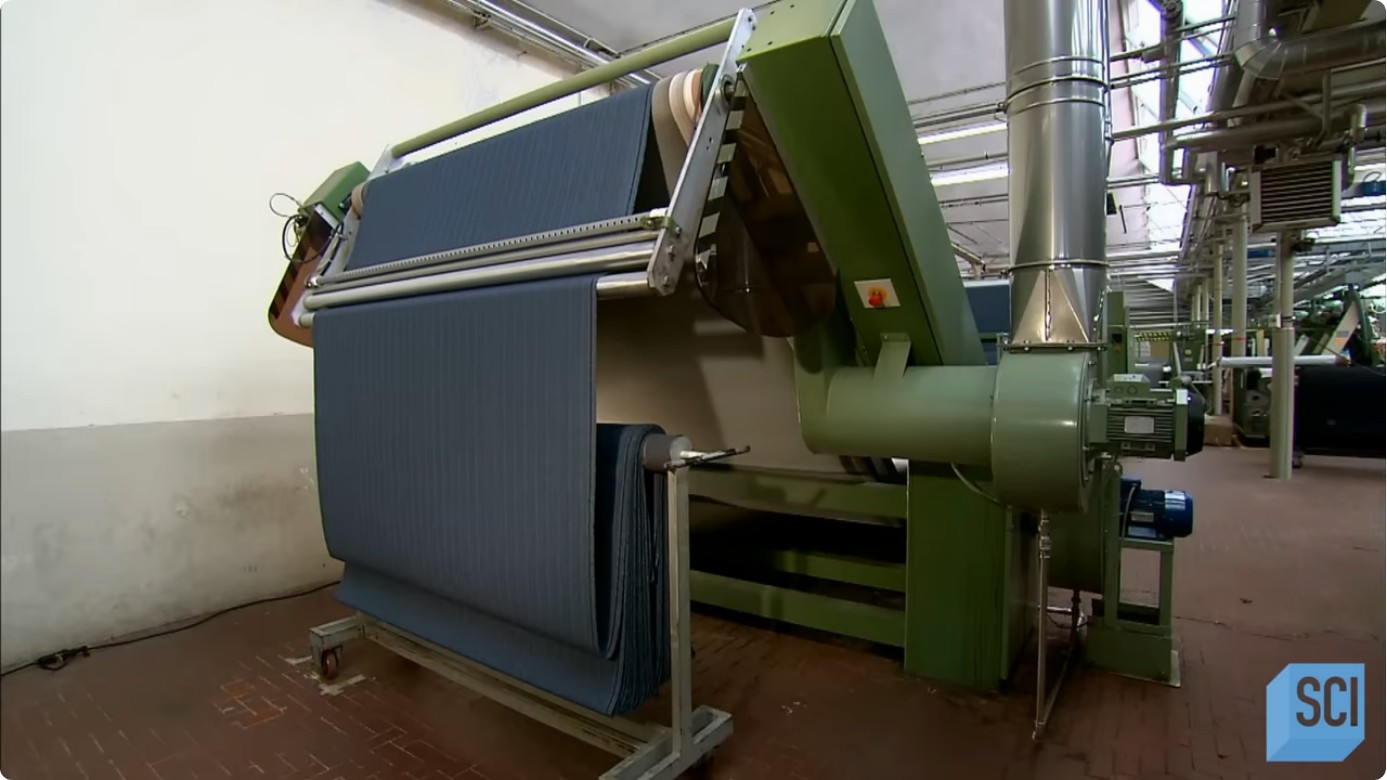
Lead time for custom-dyed organic French terry is typically 8-12 weeks, sometimes longer, due to the specialized dyeing processes and smaller batch production. Factor this into your product development calendar.
The fabric’s combination of comfort, absorbency, and sustainable credentials makes it a premier choice for specific garment categories. Its performance is not about high-tech moisture management like a synthetic performance fabric, but about natural comfort and breathability.
Related guide: Star Mesh Fabric: A Practical Guide to Properties, Uses, and Sourcing
Limitation Note: For performance applications requiring rapid sweat wicking and drying (e.g., running, high-intensity training), a synthetic blend will outperform pure organic cotton French terry. The choice is between natural comfort/breatheability and synthetic speed.
The price premium for organic French terry is significant, often 50-150% higher than a comparable conventional fabric. This cost stems from:
When evaluating if it fits your business model, consider the value beyond the per-yard cost:
For a small batch producer, the cost may be prohibitive unless it’s central to the brand’s identity. For a larger company with scale, the cost per garment may be an acceptable margin trade-off for the brand equity gained.
One of the charms of high-quality organic French terry is how it evolves. However, this requires proper care to maximize lifespan and avoid disappointment.
The slight extra effort in care is part of the trade-off for a natural, chemical-free fabric. The result is a garment that feels more personal and broken-in, not factory-fresh.
Organic French terry represents a conscious choice at every stage of the product lifecycle. It’s not a magic bullet for all sustainability issues—transportation, dyeing energy use, and end-of-life still matter—but it addresses the foundational impact of raw material cultivation. The decision to use it should align with your brand’s values, your target customer’s expectations, and your product’s functional needs.
Still have questions? Here are common points of confusion:
Ultimately, organic French terry is a material of intention. It’s for the designer who wants to offer a garment that is gentle on the skin and the soil, for the brand building a narrative of transparency, and for the consumer seeking a tangible layer of mindfulness in their wardrobe. By understanding its construction, certifications, and care requirements, you can make an informed choice that aligns your product with your principles.
Also read: Cotton and Lycra: A Practical Guide to the World’s Most Popular Fabric Blend


