Address
304 North Cardinal
St. Dorchester Center, MA 02124
Work Hours
Monday to Friday: 7AM - 7PM
Weekend: 10AM - 5PM
Address
304 North Cardinal
St. Dorchester Center, MA 02124
Work Hours
Monday to Friday: 7AM - 7PM
Weekend: 10AM - 5PM
If you’ve shopped for sheets, towels, or activewear in the last decade, you’ve certainly encountered “bamboo” fabric. It’s marketed as an eco-friendly, ultra-soft, temperature-regulating miracle material. But here’s the critical reality check you need before buying: the vast majority of fabric labeled as “bamboo” is not a natural bamboo fiber. It is a regenerated cellulose fiber, most commonly viscose or rayon, that is chemically processed from bamboo pulp. True, mechanically produced bamboo linen is rare and expensive. Understanding this fundamental distinction is the first step to making an informed choice for your wardrobe, your home, and your values.
This guide cuts through the marketing to explain how bamboo fabric is actually made, what its genuine properties are, where the significant sustainability trade-offs lie, and how to source it wisely. We’ll compare it to other common textiles and provide clear decision points so you can determine if bamboo-based fabric is the right choice for your specific needs.
The term “bamboo fabric” covers two completely different manufacturing processes, resulting in materials with vastly different characteristics, costs, and environmental impacts. The label on a garment rarely specifies which process was used, so understanding the terminology is key.
Related guide: The Science of Sweat: Choosing the Right Moisture Wicking Shirt Material
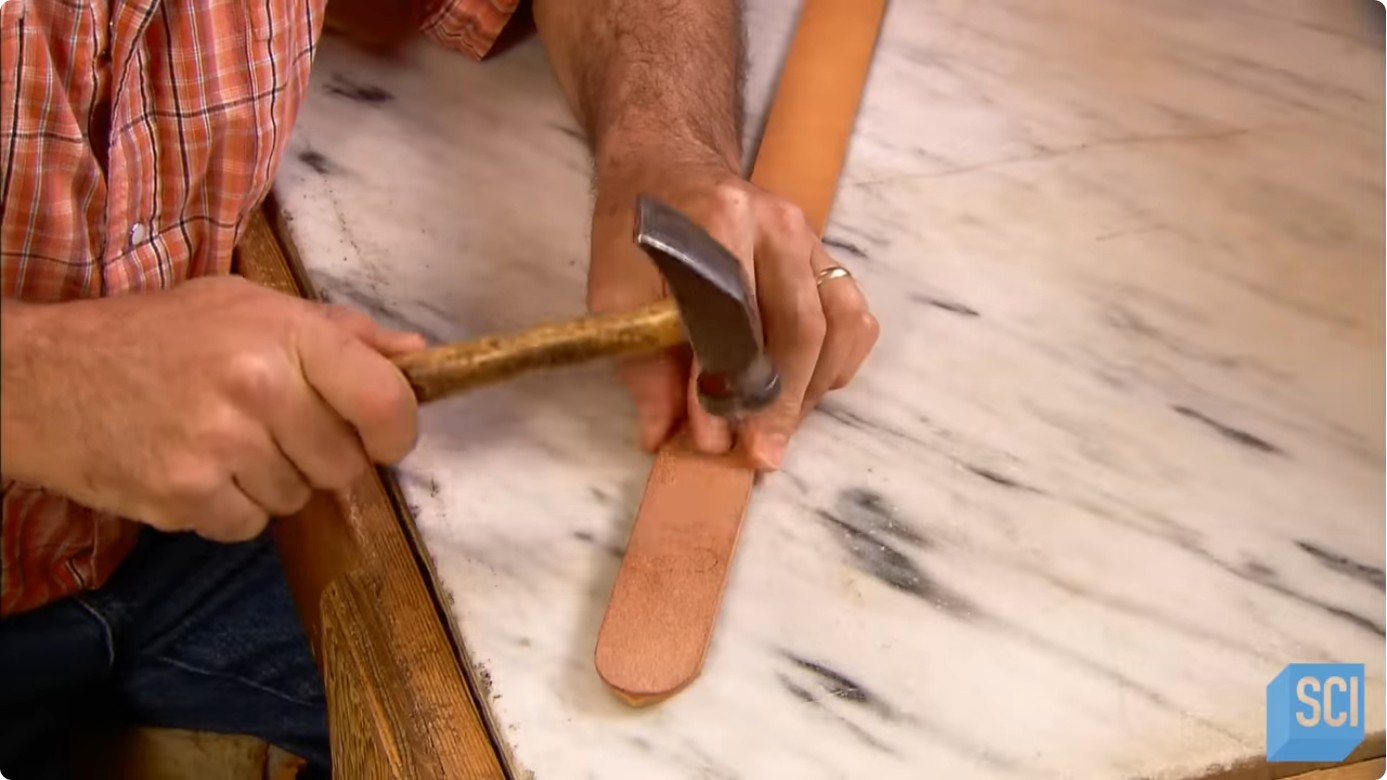
This is the only method that produces a true natural fiber fabric, similar to how linen is made from flax. The woody bamboo stalks are crushed, and natural enzymes are used to break down the lignin (the woody component). The resulting fibers are then combed and spun into yarn. This process is labor-intensive, yields less fiber, and is therefore significantly more expensive. The resulting fabric:
This is the dominant commercial method, accounting for over 90% of “bamboo fabric” on the market. The bamboo is broken down into a pulp using strong chemical solvents (typically sodium hydroxide and carbon disulfide, though newer methods use alternatives like N-methylmorpholine N-oxide). This pulp is then extruded through spinnerets to create filaments, which are spun into yarn. This process transforms the short bamboo fibers into a smooth, silky, drapey fabric. Key points:
| Feature | Mechanical Bamboo Linen | Chemical Rayon/Viscose from Bamboo |
|---|---|---|
| Fiber Type | True natural fiber | Regenerated/semi-synthetic |
| Texture & Hand | Crisp, linen-like, slubby | Silky, smooth, drapey |
| Durability | Very high | Moderate (can weaken when wet) |
| Cost | Very High (Niche) | Mid-Range (Mass Market) |
| Common Label | “Bamboo linen” | “Rayon from bamboo” / “Viscose” |
Regardless of how it’s made, bamboo-based fabric is celebrated for certain performance traits. However, these benefits are not all equal, and some are overstated.
Bamboo cellulose is highly absorbent, reportedly absorbing up to 40% more moisture than cotton. This wicks sweat away from the skin, helping to keep you dry and comfortable. This makes rayon from bamboo a popular choice for athletic wear, underwear, and socks. However, the fabric’s structure means it can lose strength when saturated, so it’s often blended with more stable fibers like cotton or spandex for performance apparel.
The micro-gaps and holes in bamboo fibers (more pronounced in mechanically processed linen) are said to provide excellent ventilation. While bamboo fabrics are generally breathable, claims of being “naturally cooling” should be taken with caution. The weave and knit structure of the final fabric play a larger role in temperature regulation than the fiber source alone. A tightly woven bamboo-blend shirt will not be cooler than a loosely woven cotton shirt.
Rayon from bamboo is renowned for its smooth, silky hand and is a favorite for bedding and towels. The fibers are round with no sharp ends, which reduces irritation for some people with sensitive skin. It is also naturally resistant to dust mites and has some antibacterial properties due to a substance called “bamboo kun,” though the efficacy of this after chemical processing is debated. For those with severe allergies or eczema, a 100% organic cotton or linen is often a more reliably hypoallergenic and chemical-free choice.
You may also like: Terry Towel Fabric by the Yard: A Practical Guide for Makers and Sourcing
This is the most complex aspect of bamboo fabric. The fast-growing, low-input nature of the bamboo plant is a strong starting point, but the manufacturing process is the true sustainability litmus test.
A “bamboo” label alone tells you little. To trust the eco-claim, you must trace it to a specific certification that addresses the chemical processing stage.
When sourcing bamboo fabric—whether as a consumer buying garments or a small business looking for wholesale—your priorities will dictate the best choice.
Bamboo fabrics, especially rayon from bamboo, have specific care needs that impact their longevity.
Before purchasing, run through this quick checklist. Your answers will point you to the right type of bamboo fabric or suggest an alternative altogether.
Bamboo material fabric offers compelling benefits in softness and moisture management, but it is not a simple, universally “green” choice. By understanding the manufacturing distinction—mechanical linen versus chemical rayon—and demanding transparency through certifications, you can enjoy its advantages while mitigating the well-documented environmental downsides of the conventional viscose process. The most sustainable choice is always the garment or textile you will love and use for the longest time, regardless of fiber content.
Helpful tip: Heavy Weight Cloth: A Practical Guide to Selection, Properties, and Sourcing


