Address
304 North Cardinal
St. Dorchester Center, MA 02124
Work Hours
Monday to Friday: 7AM - 7PM
Weekend: 10AM - 5PM
Address
304 North Cardinal
St. Dorchester Center, MA 02124
Work Hours
Monday to Friday: 7AM - 7PM
Weekend: 10AM - 5PM
When you need a garment that moves with the body but also holds a complex, intentional shape—like a fitted dress with a tonal geometric pattern or performance leggings with a stable, non-bagging knee—you’re entering the specific territory of jacquard jersey. It’s not just any stretchy fabric. It’s where the looped, elastic structure of jersey knit meets the patterned, controlled weave of jacquard. For designers, product developers, and sewists, understanding this hybrid is crucial for making informed choices that balance aesthetics, function, and cost. This guide cuts through the confusion, explaining exactly what jacquard jersey is, where it shines, where it falters, and how to source it wisely.
What matters most before we dive: jacquard jersey’s defining tradeoff is between design complexity and knit stability. The jacquard technique allows for intricate, all-over patterns directly into the fabric structure, but the jersey base means it will still stretch, shrink, and recover differently than a woven jacquard. Your project’s need for structure versus movement is the primary deciding factor.
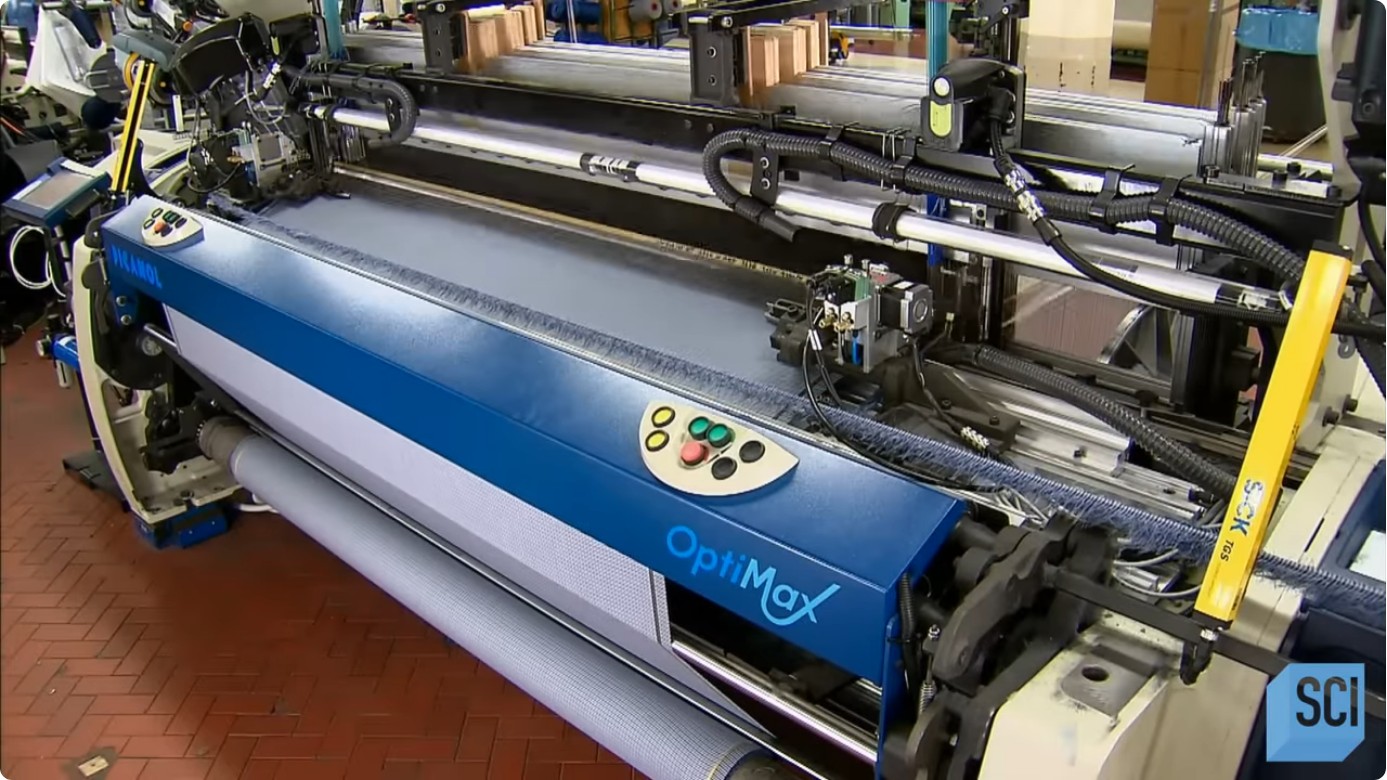
To understand jacquard jersey, let’s separate the two parts of its name. Jersey is a weft-knit fabric, meaning a single continuous yarn is looped horizontally to create a soft, elastic, and typically two-way stretch material. It’s the fabric of t-shirts and base layers. Jacquard refers not to a fiber or weave, but to a specific type of loom—the jacquard loom—and the patterning technique it enables. This loom controls individual warp yarns (the vertical threads), allowing for highly complex, non-repeating designs woven directly into the fabric’s structure.
Jacquard jersey, therefore, is a knit fabric produced on a specialized jacquard knitting machine (often a circular knitting machine with jacquard capability). Instead of a plain, uniform jersey surface, the machine selectively knits loops in a programmed pattern, creating areas of texture, relief, and color change. The result is a fabric that has the inherent stretch and softness of a knit but with a structured, patterned surface that won’t distort or fade like a printed design might on a plain jersey.
This is a critical differentiation. Traditional woven jacquard (like brocade or damask) is stable, dense, and has little to no stretch. It’s used for upholstery, formalwear, and tailored jackets. Jacquard jersey is fundamentally a knit. It will stretch, often significantly, and its behavior is governed by knit properties like loop mobility and shrinkage. You cannot treat it like a woven jacquard in pattern making or construction. The pattern is integral to the knit structure, not applied on top.
Every fabric property is a balance. For jacquard jersey, the interplay between its jersey base and jacquard patterning creates a unique profile.
| Property | Typical Behavior in Jacquard Jersey | Key Tradeoff / Caveat |
|---|---|---|
| Stretch & Recovery | Good two-way stretch, recovery depends on fiber and yarn tightness. | Patterned areas (dense knits) may have less stretch than plain jersey sections. Recovery can be slower than a performance micromodal or nylon spandex blend. |
| Stability / Distortion Resistance | Better than plain jersey due to interlocking pattern, but still a knit. | Can still distort under tension, especially on bias. Not suitable for tailored structure like a blazer. |
| Drape | Softer and more fluid than woven jacquard; drape is medium to fluid depending on weight. | Heavy, tightly patterned jacquard jersey can feel stiff and bulky, losing the soft drape of a lightweight jersey. |
| Breathability | High, as it’s a knit with air pockets. Moisture-wicking depends on fiber. | Very dense patterns can reduce air circulation locally. |
| Durability & Abrasion | Good for a knit. Patterned floats are potential snag points. | Can pill if made with short-staple fibers (like cotton) and subjected to friction. |
| Shrinkage | Significant risk, as with all knits. Must be pre-washed. | Pattern alignment can shift after laundering if not properly stabilized. |
| Cost | Higher than plain jersey due to slower knitting speeds and complex machine setup. | Minimum order quantities (MOQs) are often higher from specialty mills. |
(For a technical deep-dive on knit vs. woven structure, the Textile Institute offers foundational resources.)
Choosing jacquard jersey is a decision about marrying pattern with performance. Here are its sweet spots:
A concrete example: Consider a high-end athleisure brand designing a new legging. A plain black spandex-blend jersey is functional but common. A jacquard version, knitted with a subtle, tone-on-tone hexagonal pattern, offers a premium tactile feel, visual depth, and slightly enhanced compression in the pattern’s denser areas—all while maintaining the essential four-way stretch. The pattern is permanent, won’t crack, and looks intentional.
Finding the right jacquard jersey involves more than picking a color. Work through this list with your supplier or mill.
Jacquard jersey is powerful, but it’s not a universal substitute for other fabrics. Here’s when to look elsewhere:
Ask these sequential questions to determine if jacquard jersey is your best bet:
If you answered “yes” to most of these, you are almost certainly on the right track with jacquard jersey.
Jacquard jersey represents a sophisticated intersection of textile engineering and design intent. It solves a specific problem: how to have a permanent, complex pattern on a fabric that must stretch, recover, and feel like a second skin. Its value is in that permanence and texture—there’s no cracking, fading, or stiff plasticky feel of some prints. The tradeoffs in cost, minimums, and slight stability compromises are the price of that integration. By understanding its knit DNA and sourcing it with precise specifications, you can leverage it to create products that feel both technically accomplished and aesthetically deliberate. It’s not the simplest fabric, but for the right project, it’s the only one that makes sense.
Your specific project might have lingering questions. Consider these common follow-ups: How does jersey weight specifically affect my pattern’s visibility? What’s the best way to pre-wash jacquard jersey to control shrinkage? Can I use a standard coverlock stitch on jacquard jersey seams, or do I need a special needle? The answers lie in testing your specific fabric combination, but the framework above gives you the criteria to ask the right questions of your supplier and make a confident fabric decision.