Address
304 North Cardinal
St. Dorchester Center, MA 02124
Work Hours
Monday to Friday: 7AM - 7PM
Weekend: 10AM - 5PM
Address
304 North Cardinal
St. Dorchester Center, MA 02124
Work Hours
Monday to Friday: 7AM - 7PM
Weekend: 10AM - 5PM
If you’ve ever felt a t-shirt or sheet labeled as “bamboo,” you’ve likely encountered jersey bamboo fabric. It’s celebrated for its incredible softness and eco-friendly reputation, but what exactly is it, and is it right for your project? This guide cuts through the marketing to give you a clear, practical understanding of jersey knit made from bamboo-derived fibers. We’ll explore its true composition, where it excels and where it falls short, key applications, and critical sourcing considerations for designers, brands, and informed consumers.
Understanding jersey bamboo fabric starts with two key terms: “jersey” and “bamboo.” Jersey refers to the knit stitch construction—a single knit fabric that is lightweight, stretchy, and smooth on one side with a subtle texture on the reverse. “Bamboo” in this context almost always means bamboo viscose (also called bamboo rayon), a regenerated cellulose fiber processed from bamboo pulp. True, mechanically produced bamboo linen exists but is rare, expensive, and not used for standard jersey knits. Therefore, when you shop for or source “bersey bamboo fabric,” you are almost certainly dealing with a jersey knit composed primarily of bamboo viscose, often blended with cotton, polyester, or spandex for enhanced performance.
The performance and feel of jersey bamboo fabric are directly dictated by its fiber blend. The purest form is 100% bamboo viscose jersey, but blends are overwhelmingly common to manage cost, durability, and specific functional traits.
Helpful tip: Brushed French Terry: A Practical Guide to Fabric Construction, Properties, and Sourcing
Manufacturers adjust blends to balance bamboo’s natural softness and breathability with the stability and cost-effectiveness of other fibers. Here’s a breakdown of typical compositions:
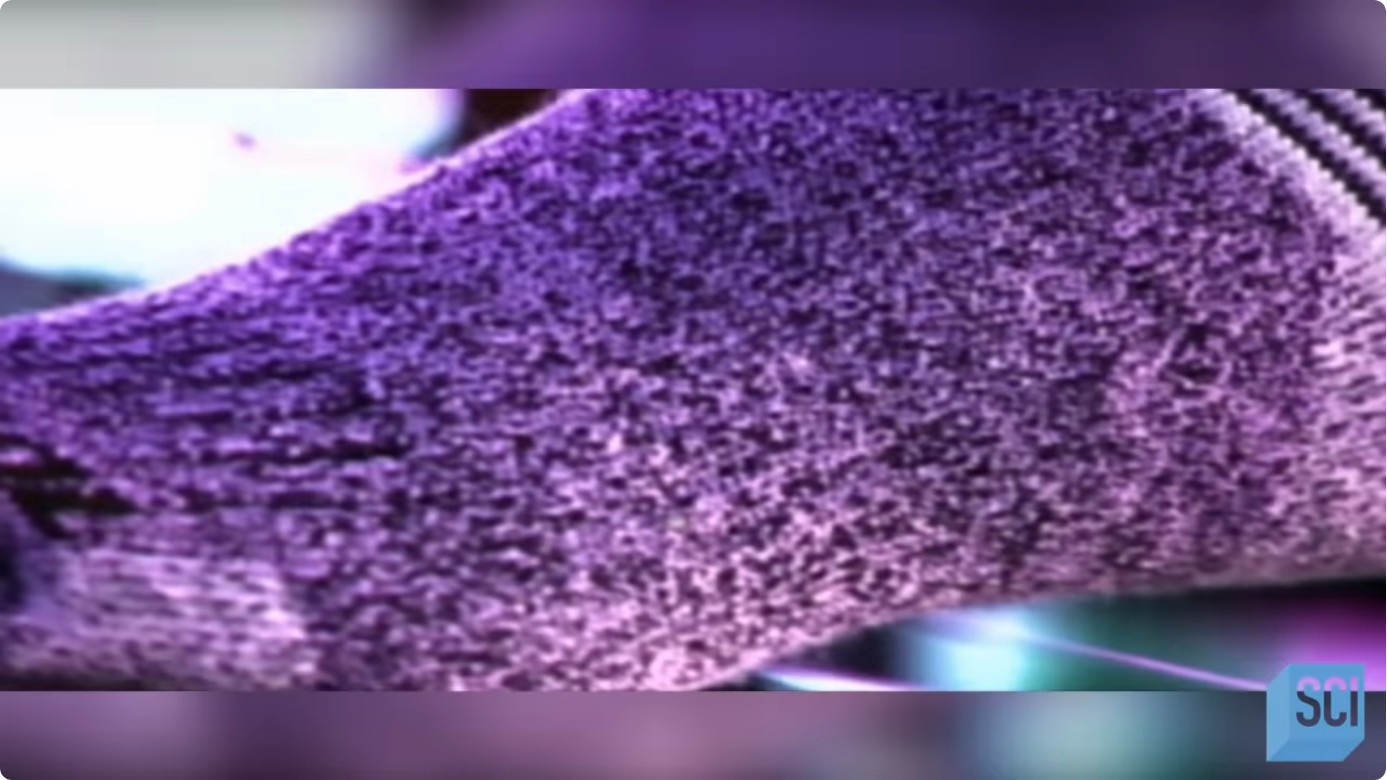
Key Takeaway: Always check the fiber content label. A “bamboo” feel can be achieved with as little as 30% bamboo viscose, with the remainder being a cheaper, less breathable fiber. For the true softness and thermoregulation benefits, seek a high bamboo viscose percentage, preferably 70% or above.
Bamboo viscose jersey has a distinct set of characteristics that define its use cases. Understanding these helps set realistic expectations.
| Property | 100% Bamboo Viscose Jersey | Bamboo/Cotton Jersey | Cotton Jersey | Polyester Jersey |
|---|---|---|---|---|
| Hand Feel | Very soft, silky, cool | Soft, slight texture from cotton | Soft (can vary), familiar | Smooth, can feel slick or plasticky |
| Moisture Wicking | Excellent | Very Good | Good | Poor (repels water) |
| Thermoregulation | Excellent (cool in heat) | Very Good | Good | Poor (traps heat) |
| Drape | Fluid, elegant | Moderate drape | Moderate to stiff | Stiff, stable |
| Durability/Wear | Fair (can pill, snag) | Good | Good to Very Good | Excellent |
| Shrinkage | High (pre-shrink essential) | Moderate to High | Moderate | Low |
| Wrinkle Resistance | Poor (creases easily) | Poor to Fair | Poor | Excellent |
The “eco-friendly” label attached to bamboo requires nuance. While bamboo is a fast-growing, low-pesticide plant, the process of turning its stalks into soft viscose fiber is chemically intensive. It typically involves strong solvents like sodium hydroxide and carbon disulfide in a viscose production process. The environmental impact hinges on the manufacturer’s practices.
Look for fabrics produced in facilities with credible certifications that address chemical management and emissions, such as:
Bamboo viscose is not inherently “green,” but it can be produced more sustainably by closed-loop systems that recover and reuse chemicals. Brands committed to transparency will often highlight these certifications. The FTC has also cracked down on misleading “bamboo” marketing, so be wary of vague claims. For a deeper dive into textile sustainability standards, resources from the Textile Exchange provide valuable industry context.
The unique profile of jersey bamboo makes it suited for specific categories, not all-purpose use.
Whether you’re a small designer or a large brand, navigating the supply chain for jersey bamboo fabric requires attention to detail.
Don’t just ask for “bamboo jersey.” Specify your needs clearly:
When shopping, read the care label and fiber content first. A high percentage of bamboo viscose (or rayon from bamboo) is your first clue. Check for blends that match your intended use (e.g., with spandex for fit). Be prepared for care: most bamboo viscose jersey requires gentle machine washing in cold water and laying flat to dry to maintain shape and prevent excessive stretching. While some blends are more resilient, treating it like a high-quality synthetic is a mistake.
Improper care is the fastest way to ruin the desirable qualities of this fabric. Follow these guidelines:
Jersey bamboo fabric, at its best, offers a compelling package of supreme softness, natural moisture management, and a luxurious drape. It is a strong alternative for consumers seeking to move away from 100% petroleum-based synthetics and for brands building a comfort-focused, “better-for-you” product line. However, its benefits are maximized only with careful attention to fiber blend, mill quality, and, most importantly, proper garment care. The cost is higher, and pure bamboo viscose is less durable than a cotton blend. Its true value lies in specific applications where its sensory properties are paramount. Treat it not as a universal replacement for cotton jersey, but as a specialized material for products where comfort and next-to-skin feel are the defining features.
Is bamboo fabric really eco-friendly?
It’s complicated. Bamboo grows sustainably, but the viscose production process is chemical-heavy. Its eco-credential depends entirely on the manufacturer’s closed-loop systems and chemical management. Look for OEKO-TEX and FSC certifications for more trustworthy claims.
Does bamboo jersey shrink a lot?
Yes, untreated bamboo viscose can shrink significantly (up to 10%). Always ensure your fabric has been pre-shrunk (sanforized) and follow cold-water, lay-flat drying instructions to minimize further shrinkage.
How does it compare to modal or lyocell jersey?
Modal and lyocell are also regenerated cellulose fibers (from beech trees) with similar softness and drape. Lyocell (Tencel™) is produced in a more environmentally friendly closed-loop process. Bamboo viscose often has a slightly silkier, cooler hand, while lyocell can feel more like high-quality cotton. Performance is comparable, with lyocell sometimes having a slight edge in wrinkle resistance.
Helpful tip: The Complete Guide to Cotton Waffle Knit Fabric: Properties, Uses, and Sourcing


