Address
304 North Cardinal
St. Dorchester Center, MA 02124
Work Hours
Monday to Friday: 7AM - 7PM
Weekend: 10AM - 5PM
Address
304 North Cardinal
St. Dorchester Center, MA 02124
Work Hours
Monday to Friday: 7AM - 7PM
Weekend: 10AM - 5PM
If you’ve ever worn a sharply tailored blazer that moves with you, a pair of sleek trousers that don’t wrinkle in a suitcase, or a comfortable yet polished shift dress, you’ve likely experienced the magic of ponte knit. It’s a fabric that defies easy categorization, sitting uniquely between a woven and a knit. For designers, manufacturers, and sewists, understanding ponte is key to unlocking a world of structured, durable, and comfortable garments. This guide cuts through the confusion, explaining exactly what ponte knit is, how it’s made, where it excels, and where it might let you down.
Ponte isn’t just one specific fabric; it’s a construction method that results in a distinct hand and performance. Getting it right means knowing its composition, its limits, and how to source a quality version. Whether you’re selecting fabric for a commercial line or a personal project, this deep dive will equip you with the practical knowledge to make confident decisions.
Ponte, often called “ponte di Roma” or “ponte Roma,” is a type of double-knit fabric. The term “double-knit” refers to the manufacturing process where two layers of fabric are knitted simultaneously and interlocked together. This creates a fabric that is thicker, more stable, and less prone to curling at the edges than a single jersey knit. The result is a material with a smooth, substantial face and back, excellent recovery, and a firm, dimensional stability that mimics the structure of a woven cloth while retaining the inherent stretch of a knit.
Think of it this way: a standard t-shirt jersey is a single, loose, flexible layer. Ponte is two of those layers firmly bonded together in an interlocking pattern, making it feel more like a lightweight, soft blanket—cozy but with a backbone.
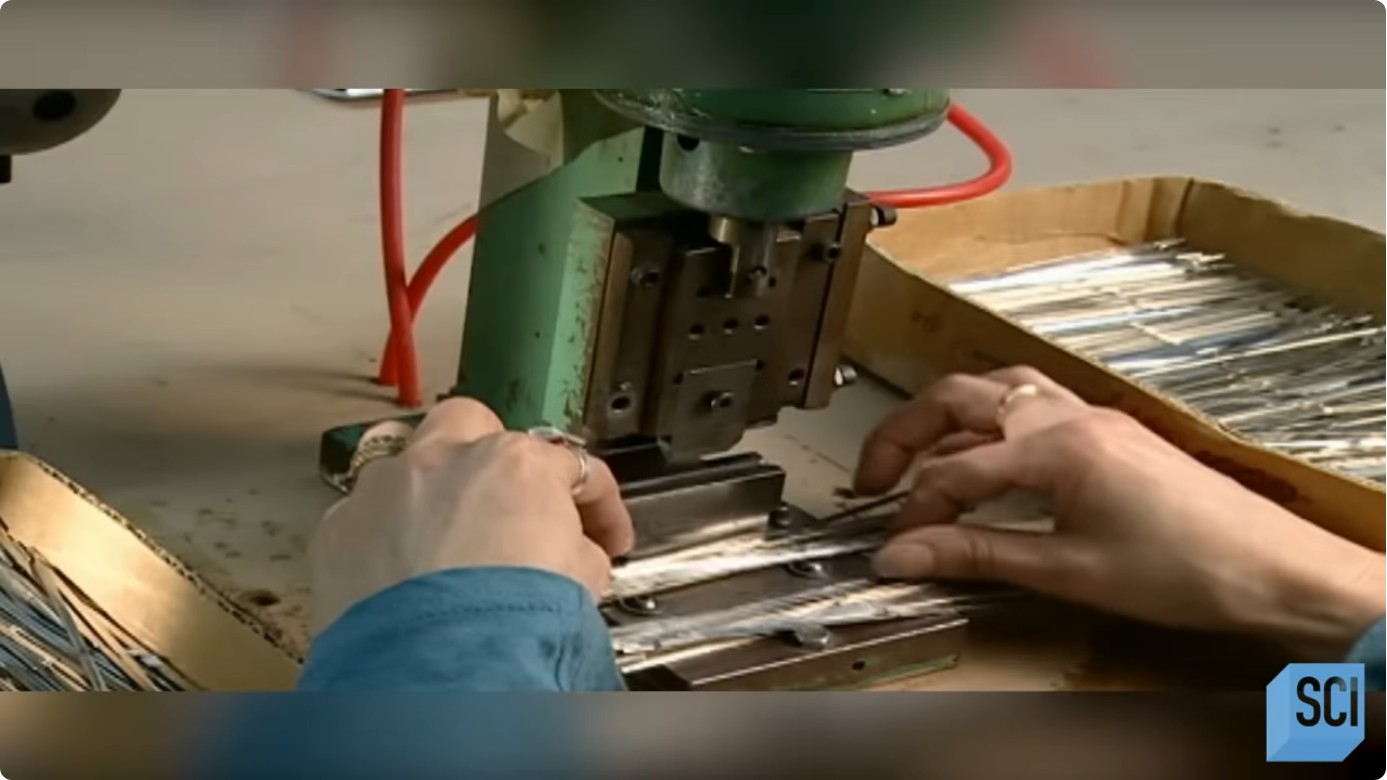
Ponte is created on a specialized V-bed or flat knitting machine. The machine uses two sets of needles—one for the front layer and one for the back layer. As the machine knits, the yarns from the front and back layers cross over and under each other at regular intervals, literally knitting the two layers together into one cohesive, stable fabric. This interlocking structure is what gives ponte its signature properties:
Ponte is almost always a blend. Pure cotton or pure polyester ponte exists but is less common for high-quality apparel. The blend dictates the fabric’s final character, cost, and care requirements. The most ubiquitous and versatile blend is the polyester-rayon-spandex mix.
| Common Blend | Characteristics & Feel | Best For | Key Considerations |
|---|---|---|---|
| Polyester/Rayon/Spandex (e.g., 65/32/3) | Smooth, soft drape with a slight silkiness. Excellent recovery, wrinkle-resistant, and affordable. | Dresses, skirts, structured tops, blazers, trousers. The all-round workhorse. | Can be less breathable than natural fiber versions. Rayon component may weaken when wet. |
| Cotton/Spandex (e.g., 95/5) | Soft, matte, and breathable with good recovery. Feels more like a premium t-shirt material but thicker. | Activewear basics, casual dresses, children’s wear, comfortable trousers. | May shrink more than synthetic blends. Less crisp structure than poly-rayon versions. |
| Nylon/Spandex | Very smooth, lightweight, and strong with exceptional recovery. Often used for performance. | Athletic wear, swim cover-ups, shapewear, performance base layers. | Can be prone to pilling. Less warmth than other blends. |
| Wool/Polyester/Spandex | Warm, textured, and breathable with good shape retention. The wool adds loft and softness. | Fall/winter blazers, trousers, knee-length skirts, structured dresses. | Higher cost. May require more careful pressing (use a steam iron and press cloth). |
For a first-time user or a general-purpose application, the polyester-rayon-spandex blend is the safest and most predictable bet. For eco-conscious lines, look for versions using Tencel™ Lyocell or recycled polyester in place of conventional rayon and poly.
Why do pattern makers and designers love ponte? It’s the combination of traits:
Ponte’s sweet spot is in structured yet comfortable separates. It’s the fabric of choice for:
Related guide: The Enduring Appeal of Sustainable Linen Fabric: A Practical Guide
What it’s NOT ideal for: Very drapey, flowy garments like maxi skirts or loose blouses (it will hang too heavily). Also not suitable for very tight, body-con clothing unless it has a high spandex content, as it lacks the extreme stretch of a performance knit.
Not all ponte is created equal. Quality varies dramatically based on yarn, knit density, and finishing. When sourcing, whether from a local store or a wholesale fabric supplier, use this checklist:
Proper care extends the life of ponte garments. Most can be machine washed cold and tumble dried low, but check the specific supplier’s recommendations. Here are the common issues and fixes:
Ask these questions before committing:
Ponte knit is a foundational fabric in modern apparel for a reason. It delivers a rare package of stability, comfort, and versatility that few other textiles can match. Its success hinges on selecting the right blend and weight for your specific application. When in doubt, order a swatch. Feel its drape, test its stretch, and see if it aligns with your vision. By understanding its construction and characteristics, you move from simply using ponte to truly mastering it, ensuring your final garment looks polished, performs well, and stands the test of time.
Choosing between a 280 GSM poly-rayon and a 320 GSM wool-blend ponte for a blazer? Wondering how to minimize pilling on a production run? The best next step is to consult directly with your fabric supplier’s technical team. They can provide specific swatches, performance data, and care instructions tailored to their exact mill offerings. For home sewists, local fabric stores with a good designer section will often have ponte available by the yard—always feel free to ask for a small sample to test before purchasing full yardage.