Address
304 North Cardinal
St. Dorchester Center, MA 02124
Work Hours
Monday to Friday: 7AM - 7PM
Weekend: 10AM - 5PM
Address
304 North Cardinal
St. Dorchester Center, MA 02124
Work Hours
Monday to Friday: 7AM - 7PM
Weekend: 10AM - 5PM
For sewers, small fashion brands, upholstery enthusiasts, and crafters, sourcing materials is the first—and often most critical—step in bringing a vision to life. The phrase “natural fabrics by the yard” represents a fundamental category, but it’s not a monolithic one. It opens a door to a world of textures, performances, costs, and sourcing challenges that can overwhelm even experienced makers. This guide cuts through the noise, moving beyond vague definitions to give you a actionable framework for selecting, evaluating, and purchasing natural textiles in bolt form. Whether you’re sourcing for a single project or building a small inventory, understanding the nuances is what separates a successful outcome from a costly mistake.
We’ll break down the major fiber families, decode weave and finish terminology, and provide a clear checklist for what to verify before you buy. The goal is to equip you with the questions to ask suppliers and the knowledge to interpret fabric samples, ensuring your yardage delivers the drape, durability, and aesthetic you require.
Before diving into specific fibers, it’s crucial to internalize the three pillars that define any natural fabric purchase. These factors are interconnected; changing one impacts the others.
Helpful tip: Rib Knitting Fabric: A Technical Guide to Structure, Properties, and Sourcing
Natural fabrics primarily derive from plant (cellulosic) or animal (protein) sources. Each has a characteristic profile.
These fibers are generally breathable, absorbent, and tend to wrinkle. They are often cooler to the touch.
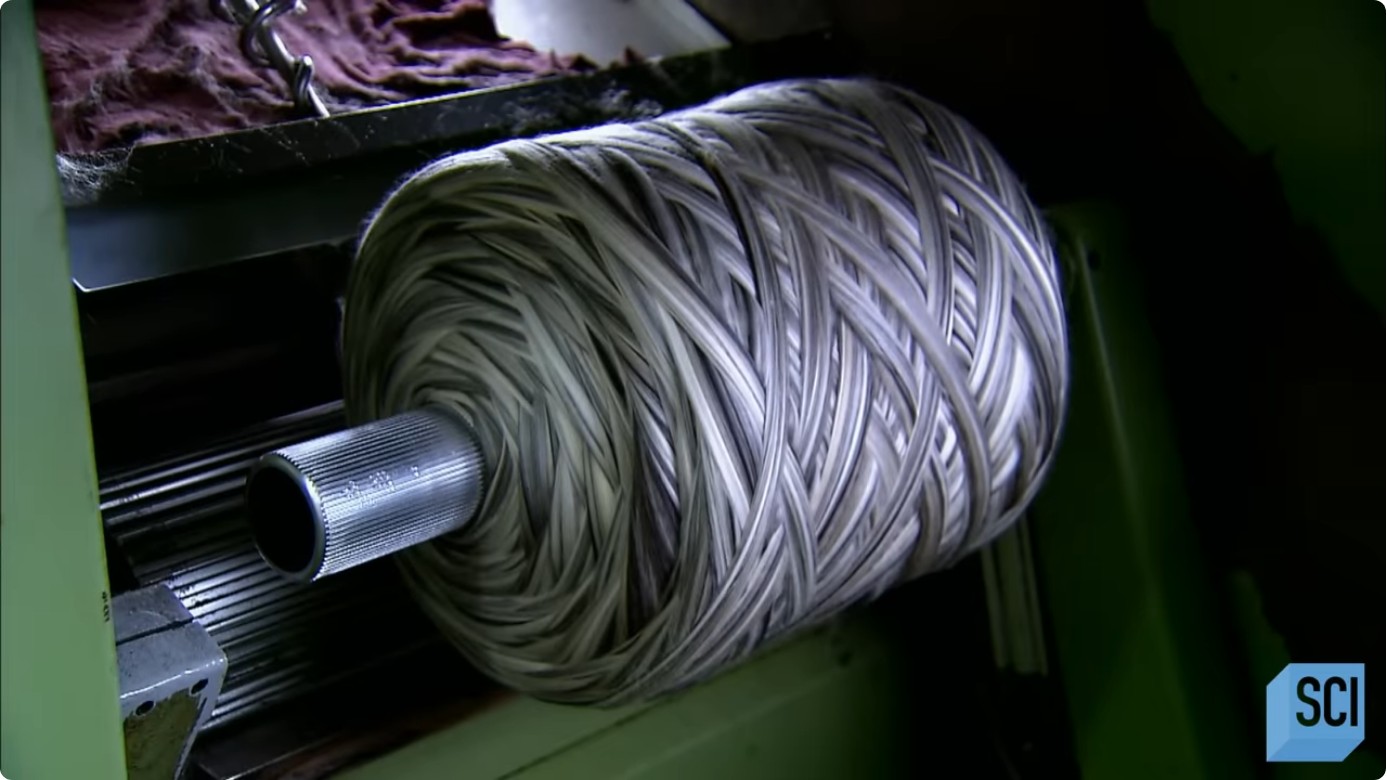
These are warm, elastic, and often have excellent insulation properties (even when damp). They require more specialized care, typically hand-washing or dry cleaning.
Buying “by the yard” implies a certain scale, distinct from purchasing a single pre-cut piece. Your sourcing channel depends on volume and project needs.
For most independent makers, online retailers are the primary source. They aggregate stock from various mills, offer swatches, and sell in yardage increments (often with a 1-yard minimum). Pros: vast selection, convenience, consistent inventory. Cons: you cannot inspect the bolt in person; shipping costs add up; color accuracy on screen is imperfect. Always order a swatch before committing to multiple yards.
For larger runs (10+ yards), contacting a mill’s sales office or a fabric distributor directly can yield better pricing. This often involves minimum order quantities (MOQs) of 50-100 yards and may require a business tax ID. It’s the path for small brands building a line.
The advantage of a local fabric store is tactile: you can feel the hand, see the drape, and check for inconsistencies under good light. This is invaluable for high-stakes projects like a wedding gown or tailored suit. Trade shows like Premier Designs (for home furnishings) or Transtexas (for apparel) allow you to view hundreds of mills’ books in one place, but are geared toward wholesale buyers.
For the sustainable and budget-conscious, vintage natural textiles (old sheets, curtains, garments) and deadstock (unused, overproduced fabric from mills) are fantastic sources. The challenge is inconsistency in fiber content, weight, and yardage. You must become a forensic investigator, using a burn test (with proper safety precautions) or a jeweler’s loupe to identify fibers. This path is for the resourceful and experimental.
Helpful tip: The Complete Guide to 100% Cotton Knit Fabric
Never buy more than a swatch’s worth without this evaluation. Use this list when your physical sample arrives.
| Evaluation Point | What to Check | Why It Matters |
|---|---|---|
| Fiber Identification | Check label. If unlabeled, perform a careful burn test (in a well-ventilated area, with a fire extinguisher nearby). Plant fibers smell like burnt paper, create a soft ash. Protein fibers smell like burnt hair, create a brittle bead. | Confirm you’re getting what you paid for. A “linen” blend with high synthetic content will not perform as expected. |
| Hand & Drape | How does it feel? Crisp, soft, stiff, slick? Drape it over your hand or a mannequin. Does it fall in smooth folds or hold a stiff shape? | Determines suitability for the design. A stiff canvas won’t make a flowing dress; a flimsy voile won’t hold a tailored structure. |
| Shrinkage Test | Mark a 5″ square on the sample. Machine wash and dry it as you plan to for the final garment. Remeasure. | Natural fibers shrink. Pre-shrunk (sanforized) cotton still shrinks 1-3%. Linen and wool can shrink more. You must buy extra yardage to account for this. |
| Colorfastness | Rub a white cloth vigorously on the sample. Wash the sample with a white test cloth. Check for dye transfer. | Prevents ruined garments. Deep dyes, especially on silk and wool, can crock (rub off) or bleed. |
| Thread Count & Density | Hold up to light. Count threads per inch in warp and weft. Is the weave tight and even, or loose and slubbed? | Affects durability, opacity, and feel. A loose weave may snag or be see-through. |
| flaws | Inspect under bright light for holes, thin spots, dye streaks, or inconsistent yarn thickness (unless a slubbed finish is intentional). | Quality control. A flaw in a swatch means the bolt likely has more. |
Buying natural fabric by the yard is a series of compromises. Recognizing them upfront saves time and money.
Q: How much extra yardage should I buy?
A: For a simple garment with no matching, add 10-15% to your pattern’s requirement. For complex patterns with plaids, stripes, or large motifs, add 20-30% for pattern matching. For upholstery or large home projects, add at least 15% for seams and potential errors.
Q: Can I trust online color swatches?
A: No. Monitor settings vary wildly. Use the swatch as a rough guide for color family and print scale, but expect the physical fabric to differ. Request a physical swatch for color-critical projects.
Q: What’s the best natural fabric for a beginner’s first garment?
A> A medium-weight, plain-weave cotton like a quality shirting or quilting cotton. It’s stable, easy to sew, widely available, and affordable. Avoid slippery silks, stretchy wools, or very sheer/linen fabrics for your first project.
Q: Are blends “cheating”?
A: Not at all. Blends like cotton-linen or wool-silk combine the best attributes of each fiber: the breathability of linen with the easier care of cotton; the warmth of wool with the drape of silk. They are often more practical and cost-effective.
Q: How do I find a reputable supplier?
A: Look for established businesses with clear return policies for swatches/bolt defects. Read reviews from other makers. For wholesale, ask for references. Suppliers who specialize in a niche (e.g., organic wools, Japanese denim) often have deeper expertise than generalists.
Buying natural fabrics by the yard is a skill built on experience. Start small, test everything, and document your findings (keep a fabric journal with swatches, source, and performance notes). The fabric is the soul of your project; treating its sourcing with the same rigor as your design process will pay off in the final, tangible result.
Related guide: Jersey Cloth Material: A Practical Guide to Fabric Choice and Application


[…] our complete guide to buying natural fabrics by the yard, we emphasized fiber content over color. For boho work, that principle still holds: a 100% cotton […]