Address
304 North Cardinal
St. Dorchester Center, MA 02124
Work Hours
Monday to Friday: 7AM - 7PM
Weekend: 10AM - 5PM
Address
304 North Cardinal
St. Dorchester Center, MA 02124
Work Hours
Monday to Friday: 7AM - 7PM
Weekend: 10AM - 5PM
When you hold a vintage Winnie the Pooh plush toy from the 1960s or 70s, the immediate sensation is distinct. It’s not just the character’s charm; it’s the fabric itself—a particular, dense, slightly stiff yet soft material that has become synonymous with thebear’s classic look. This isn’t generic plush. Understanding what this “classic Winnie the Pooh material” actually is, its properties, and how to source or replicate it is crucial for collectors, restorers, costume designers, and niche apparel creators aiming for that authentic, nostalgic texture.
The term points to a specific mid-20th century manufacturing standard for mohair-blend plush. It’s a fabric that balances durability with a specific hand-feel, engineered for mass-produced toys that needed to withstand heavy play. Recreating or identifying it today requires moving beyond the simple label “plush” and into the specifics of pile height, fiber content, and weave construction. This guide dissects the composition, characteristics, sourcing realities, and practical applications of this iconic textile.
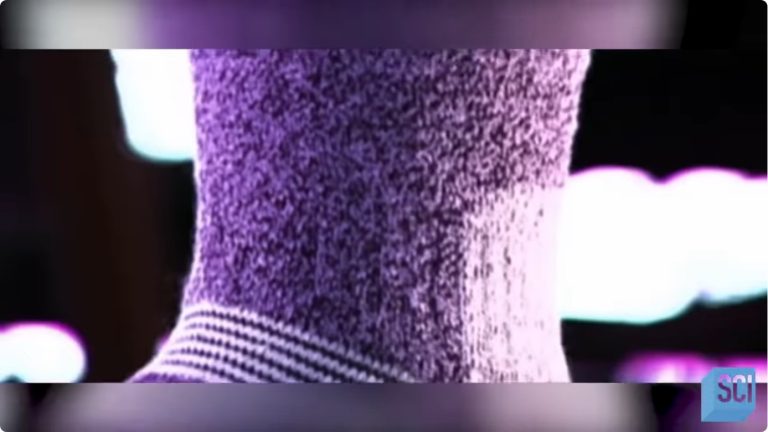
Contrary to popular belief, the classic fabric isn’t pure mohair, nor is it standard modern polyester fleece. It is primarily a mohair-wool blend, typically in a 20% mohair / 80% wool ratio, though variations existed. Mohair, from the Angora goat, provides a distinctive high-luster sheen and exceptional resilience, while wool contributes body, warmth, and felting resistance. This blend was woven or knitted into a short, dense, non-directional pile fabric, often referred to in manufacturing specs as “toy plush” or “velour.”
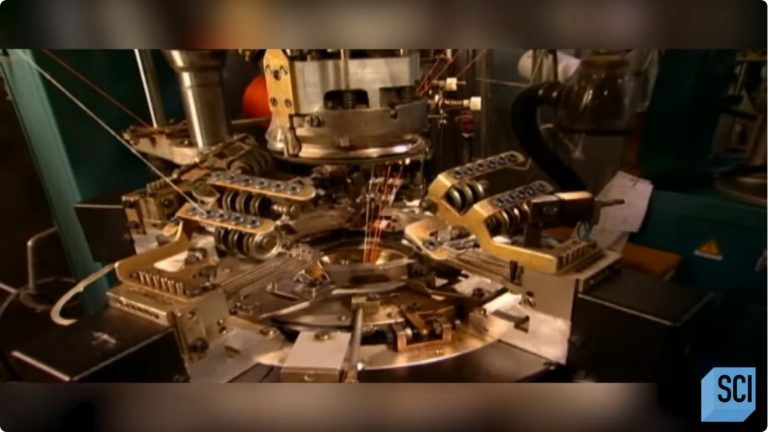
The weave is key. It was a warp-knit construction (like tricot) for many versions, which gave it stability and prevented the pile from laying flat in one direction. This created a fabric that looked uniformly fuzzy from any angle and resisted matting down better than a woven velveteen. The pile was kept relatively short, around 3-5mm, contributing to its crisp, somewhat “straw-like” texture when new, which softened with use but never became the long, silky drape of modern luxury plush.
The specific blend and weave dictated how the toy performed, and they dictate how any material made to this spec will perform today. These properties are trade-offs.
The mohair-wool blend and tight knit give this fabric incredible tensile strength and abrasion resistance. The mohair fibers are smooth and have a natural elasticity, allowing them to bend without breaking. This is why so many vintage Pooh bears survive with minimal pile loss. However, this comes at the cost of immediate, “cloud-like” softness. The fabric feels more like a dense brush than a blanket. For apparel, this means a garment that will hold its shape and resist pilling exceptionally well, but will lack the initial plush comfort of a modern microfleece. It requires a break-in period.
Classic Pooh material has a significant weight and body. A yard of it feels substantial, almost like a heavy flannel. It does not drape fluidly; it has a structured, almost square-shouldered drape. This made the toys stand up well and gave them a substantial, premium feel in hand. For costume or bag making, this is an advantage for structure. For a flowing cloak or a soft scarf, it would be a poor choice. It is a fabric with a presence.
The natural wool component makes the fabric susceptible to felting (shrinkage and matting) if agitated in warm water. Vintage care instructions, when they existed, almost always recommended hand washing in cool water and air drying. The mohair component is relatively resilient to moths, but the wool is not. Proper storage is non-negotiable for preservation. For new items made from a reproduction blend, the care would be similar. You cannot simply machine-wash and tumble-dry this material without risking significant damage and permanent texture change.
| Characteristic | Vintage Mohair-Wool Plush | Authentic Reproduction (if made) | Modern Polyester Fleece |
|---|---|---|---|
| Fiber Source | Natural (Mohair & Wool) | Natural (Mohair & Wool) | Synthetic (100% Polyester) |
| Pile Direction | Non-directional (crushed) | Non-directional (crushed) | Often directional (nap) |
| Initial Hand | Crisp, dense, slightly stiff | Crisp, dense, slightly stiff | Very soft, pliable |
| Pilling Resistance | Excellent | Excellent | Poor to Fair (varies) |
| Drape | Stiff, structured | Stiff, structured | Soft, drapey |
| Care | Hand wash, air dry | Hand wash, air dry | Machine wash, tumble dry |
| Cost & Availability | Vintage only (rare/expensive) | Very rare, specialty mill only | Ubiquitous, very low cost |
This is where the practical reality sets in. You cannot walk into a standard fabric store and ask for “classic Winnie the Pooh material.” The original mills that produced the specific blend for Disney licensees in the 1960s-80s (like the now-defunct Chatham Manufacturing or similar) are long gone from the toy fabric market.
The only truly authentic source is deadstock or unused vintage fabric from that era. This exists in small, scattered quantities, often sold by specialized textile dealers or on platforms like Etsy and eBay. Caveat: Condition is a major risk. Fabric stored for 50+ years can have “ scourge ” (brown stains from degraded fibers), brittleness, or odor. It must be inspected meticulously. The yardage is limited, the price is high, and matching dye lots for a large project is virtually impossible. This path is for restoration of a single vintage item, not for production.
Theoretically, one could commission a custom run from a textile mill that still handles mohair blends. This is a high-cost, high-minimum-order endeavor (often thousands of yards). You would need to provide precise construction and pile specs. Mills in the US, UK, or Italy that work with mohair could potentially replicate it. The cost per yard would be substantial, likely $30-$50+ USD, making it feasible only for a licensed manufacturer or a very dedicated, well-funded project. The International Mohair Association can be a starting point for finding certified mills, but expect a complex, custom quoting process.
For 99% of makers, a high-quality, short-pile, dense polyester velour is the functional substitute. Look for terms like “toy plush,” “velour,” or “brushed tricot.” The critical test is the pile: it must be short (under 5mm), dense, and feel substantial in hand. Crush it in your fist; it should spring back resiliently, not collapse into a limp mat. Brands like Mood Fabrics or Fabric.com often carry suitable options under these generic names. While it lacks the natural fiber luster and historical accuracy, it captures the functional essence: structure, durability, and the iconic “fuzzy bear” silhouette. This is the path for costumes, modern plush patterns, and apparel where the aesthetic reference is the goal, not material archaeology.
This fabric’s properties make it interesting for more than just Pooh tributes. Its structured drape and durability are assets in specific niches:
In each case, the designer must accept the trade-off: less initial softness for vastly more long-term shape retention and a distinctive, non-generic texture.
Before pursuing this material, run through this checklist:
The “classic Winnie the Pooh material” is more than a textile; it’s a tactile artifact of a specific manufacturing era. It represents a time when toy fabrics were designed for longevity and a specific tactile identity, not just maximum softness. For the restorer, it’s a puzzle of provenance and careful chemistry. For the designer, it’s a study in leveraging inherent material properties—density, resilience, structure—to achieve an aesthetic that synthetic alternatives only approximate. The true secret is understanding that you are not just buying “fuzzy fabric.” You are sourcing a specific set of performance characteristics that, when matched to the right project, create an object with an irreplaceable sense of weight, history, and enduring presence.
Can I shrink a modern polyester substitute to make it feel more like the stiff vintage fabric?
No. Polyester has a very low shrinkage rate. The crispness of vintage fabric came from its dense, tight weave and the natural stiffness of the mohair-wool fibers, not from shrinkage. Attempting to heat-set polyester will likely damage it.
Is there a way to make a new mohair-wool plush feel as crisp as the 1960s version?
Newer mohair-wool blends, if you can find them, are often softer and more refined. To achieve the classic “brushy” feel, the pile must be cut very short and the fabric heavily brushed (or “napped”) during finishing. This is a specific mill process that is not common today, as consumer preference has shifted toward longer, softer piles.
What’s the best way to clean a genuine vintage Pooh bear without damaging the fabric?
Consult a professional textile conservator. The general rule is a very gentle hand wash in cool water with a pH-neutral soap (like Orvus WA Paste, a standard in textile conservation), minimal agitation, and thorough rinsing. Never wring or twist. Roll in a towel to extract water and dry flat, ideally with a fan for air circulation. Never use heat.
Does the classic material have any certifications or official standards?
Not specific to the Pooh toy. However, any new mohair component would be governed by standards from the International Mohair Association for fiber quality and ethical sourcing. The finished fabric would fall under general textile safety standards like CPSC regulations for children’s products if used for that purpose.