Address
304 North Cardinal
St. Dorchester Center, MA 02124
Work Hours
Monday to Friday: 7AM - 7PM
Weekend: 10AM - 5PM
Address
304 North Cardinal
St. Dorchester Center, MA 02124
Work Hours
Monday to Friday: 7AM - 7PM
Weekend: 10AM - 5PM
If you’ve ever felt the satisfying elasticity of a fitted t-shirt cuff, the structured neckline of a polo shirt, or the comfortable waistband on a pair of casual pants, you’ve experienced cotton rib knit fabric. It’s one of the most versatile and commonly used knit structures in apparel, prized for its unique combination of recovery, texture, and comfort. But what exactly makes it different from a standard jersey knit, and when should you specify it for a project? This guide cuts through the basics to give you a practical understanding of cotton rib knit, from its technical structure to real-world applications and sourcing considerations.
We’ll break down why its vertical ribbed appearance isn’t just aesthetic—it’s the source of its functional properties. You’ll learn to distinguish between common rib variations, understand its performance limits, and get a clear framework for deciding if it’s the right fabric for your next design or purchase. Whether you’re a designer, a sewing enthusiast, or a small business owner sourcing materials, this article provides the actionable details you need.
Before diving deeper, here’s a quick reference for the core characteristics of this fabric. Think of this as your initial decision checklist.
Helpful tip: Cotton Fleece Fabric: A Practical Guide to Properties, Uses, and Sourcing
| Characteristic | Typical Profile for Cotton Rib |
|---|---|
| Structure | Double-knit; alternating knit and purl columns create vertical ribs. |
| Primary Fiber | 100% Cotton, but commonly blended with elastane (spandex/Lycra) for enhanced stretch. |
| Key Property | Excellent stretch and recovery across the width (selvage-to-selvage). |
| Texture/Hand | Textured, “ribbed” surface; firm hand compared to jersey; less drape. |
| Common Uses | Cuffs, waistbands, necklines (collars, turtlenecks), form-fitting tops, activewear accents. |
| Stability | Moderately stable; can “run” or distort if cut improperly or under tension. |
| Shrinkage | High (typical for cotton); pre-shrinking or pre-washing is critical for fitted garments. |
The magic of rib knit lies in its two-needle knitting process. Unlike single jersey, which is knitted on one set of needles and curls, rib knit uses two sets of needles working in opposition. This creates alternating wales (vertical columns) of knit stitches and purl stitches. The knit stitches form the raised “ribs,” while the purl stitches form the recessed “valleys.”
This structure is inherently elastic because the purl columns act like tiny accordions. When you pull the fabric widthwise, the purl stitches expand, and when you release, they spring back. This is why rib is the go-to for any component that must stretch over something (like a head or a hip) and then hold its shape snugly. The 1×1 rib (one knit column, one purl column) offers the most pronounced stretch and recovery. A 2×2 rib (two knit, two purl) has a broader, more subtle rib and slightly less extreme stretch, often preferred for a more substantial feel on cuffs or waistbands.
A critical and often misunderstood point: the stretch of a rib knit is almost exclusively in the width (cross-grain) direction. Lengthwise (along the selvage), a rib knit has very little give, similar to a woven fabric. This anisotropic behavior is fundamental to its use. You wouldn’t use a rib knit for the main body of a garment that needs significant stretch lengthwise (like yoga pants); you’d use it for the waistband that needs to stretch widthwise to get on and off. Misunderstanding this leads to pattern errors where the rib is cut on the wrong grain, resulting in a garment that is tight in one direction and baggy in the other.
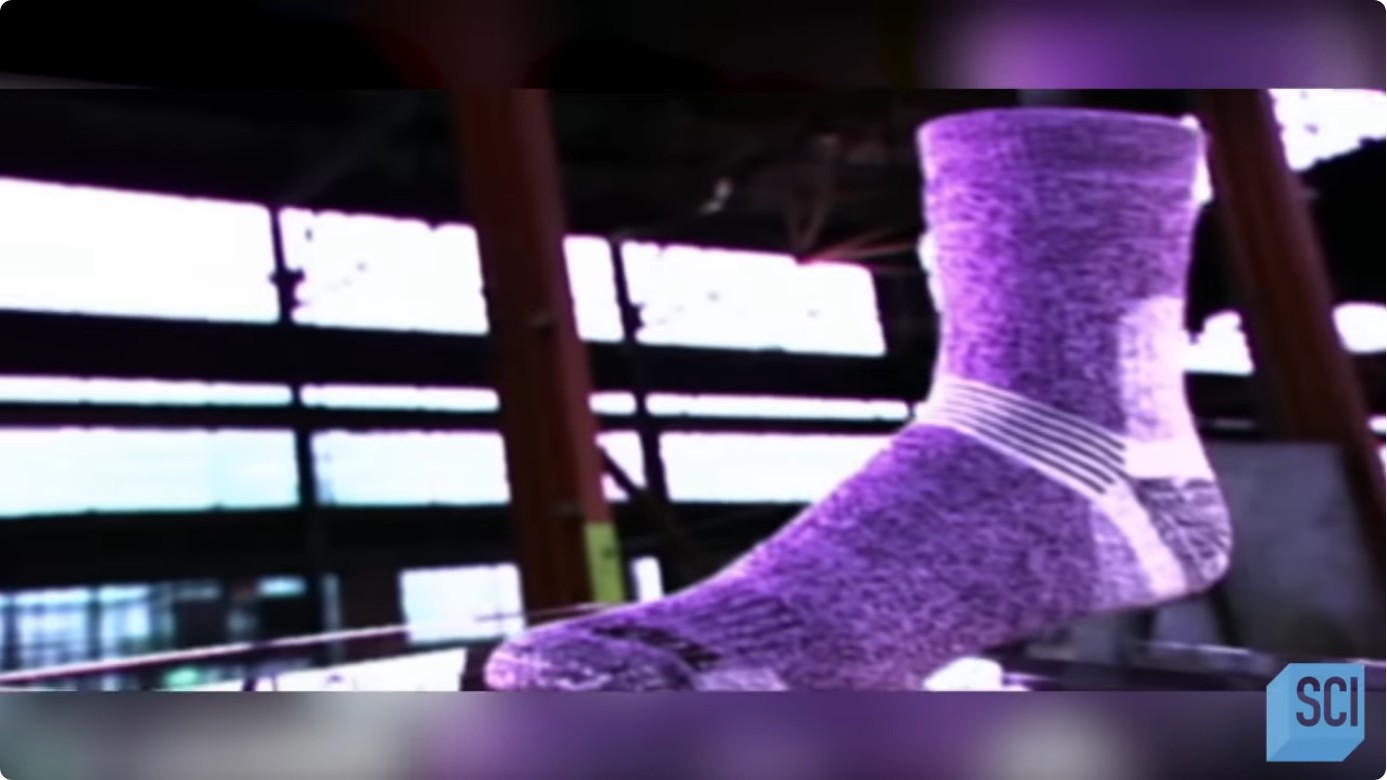
Choosing rib knit is a decision about function first, form second. Its applications are specific and highly effective.
A cotton rib knit garment that looks great off the rack can be ruined by improper care. The two biggest culprits are shrinkage and distortion.
Most performance and fitted cotton ribs today contain 3-10% elastane, either wrapped in a nylon/polyester yarn or plated with a cotton yarn. This blend:
You may also like: What is Lycra? The Definitive Guide to Spandex and Elastane in Modern Fabrics
When sourcing, check the exact blend. A 95% cotton/5% elastane rib will behave very differently from a 100% cotton rib.
Whether you’re buying by the yard from a retailer or sourcing wholesale from a mill, these specifications are your key to getting the right fabric.
Still unsure? Run through these scenarios.
| Your Project Is… | Cotton Rib Knit Is… |
|---|---|
| A fitted, long-sleeve cotton tee | Excellent choice for the body if using a lightweight 1×1 rib with elastane for recovery. Pre-shrink fabric. |
| A flowing, A-line summer dress | Poor choice. Its structure inhibits drape. Opt for a lightweight jersey or voile instead. |
| The neckline and cuffs on a fleece hoodie | Ideal. The rib provides a firm, stretchy finish that holds its shape against the heavier fleece. |
| High-performance running shorts | Consider a blend. A cotton/polyester/elastane rib offers comfort and moisture management, but a technical synthetic knit may wick better. |
| A beginner’s first sewing project | Use with caution. Its tendency to run can be frustrating for new sewists. A stable cotton jersey is easier to handle. |
Q: Can I use cotton rib knit for the entire garment, like a dress?
A: Technically yes, but it’s uncommon for good reason. A full garment in rib will have a very specific, textured look and limited drape. It will be snug and potentially stiff. For a dress, designers typically reserve rib for details like a ribbed yoke or sleeves, using jersey or another drapey knit for the skirt.
Q: How do I prevent my rib knit from “running” when I sew it?
A: Handle it minimally. After cutting, immediately serge or overlock all raw edges. Use a sharp ballpoint or stretch needle. When sewing seams, use a stretch stitch (like a narrow zig-zag) or a serger. Avoid pulling the fabric as you sew, as this can distort the rib. Some designers even baste the layers together with a long, loose running stitch before final stitching to hold everything in place.
Q: Is 100% cotton rib more sustainable than a cotton-elastane blend?
A: It’s a trade-off. 100% cotton is biodegradable and from a renewable source, but conventional cotton farming can be resource-intensive. Elastane is a petroleum-based synthetic and not biodegradable. However, a small percentage of elastane (3-5%) can significantly extend the garment’s wearable life by preventing bagging, potentially offsetting its environmental cost. For true sustainability, look for blends using recycled elastane and organic or Better Cotton.
Q: What’s the difference between “rib knit” and “ribbed fabric”?
A: “Rib knit” specifically refers to the double-needle knitting construction described here. “Ribbed fabric” is a broader, sometimes inaccurate term that can refer to any fabric with vertical ribs, including woven fabrics like faille or poplin that have a ribbed texture but no knit stretch. Always confirm the construction, especially when sourcing.
Helpful tip: Recycled Cotton Fabric: A Practical Guide to Materials, Properties, and Sourcing