Address
304 North Cardinal
St. Dorchester Center, MA 02124
Work Hours
Monday to Friday: 7AM - 7PM
Weekend: 10AM - 5PM
Address
304 North Cardinal
St. Dorchester Center, MA 02124
Work Hours
Monday to Friday: 7AM - 7PM
Weekend: 10AM - 5PM
If you’ve ever pulled on a pair of leggings that feel like a second skin, reached for a swimsuit that snaps back into place, or appreciated the freedom of movement in a tailored blazer, you’ve experienced Lycra. But what is Lycra, really? It’s more than just a stretchy material; it’s a specific brand name that has become so ubiquitous it’s often used as a generic term for elastic yarns in clothing. This guide cuts through the branding to explain the science, the properties, the critical distinctions from similar fibers, and the practical considerations for designers, brands, and consumers alike.
Understanding Lycra is essential for anyone involved in apparel, from sourcing to sewing. It’s not just about adding stretch; it’s about engineering fit, comfort, and performance. We’ll break down the fiber’s composition, compare it to its main competitors, and explore where it excels and where alternatives might serve you better.
At its chemical core, Lycra is a brand name for a type of elastane (also commonly called spandex in North America). It’s a synthetic polymer, specifically a polyurethane-polyurea copolymer. The magic happens in its molecular structure. Unlike rigid fibers, Lycra is composed of long, coiled polymer chains that can stretch up to five times their original length and then recover their shape almost perfectly.
Lycra is a registered trademark of The Lycra Company, a business with roots tracing back to the 1960s invention of this fiber by chemist Joseph Shivers at DuPont. While “spandex” is the generic fiber name, “Lycra” represents a specific, high-quality grade of elastane produced under strict brand standards. All Lycra is elastane, but not all elastane is Lycra—a key distinction for quality and performance consistency.
The production process is a feat of chemical engineering:
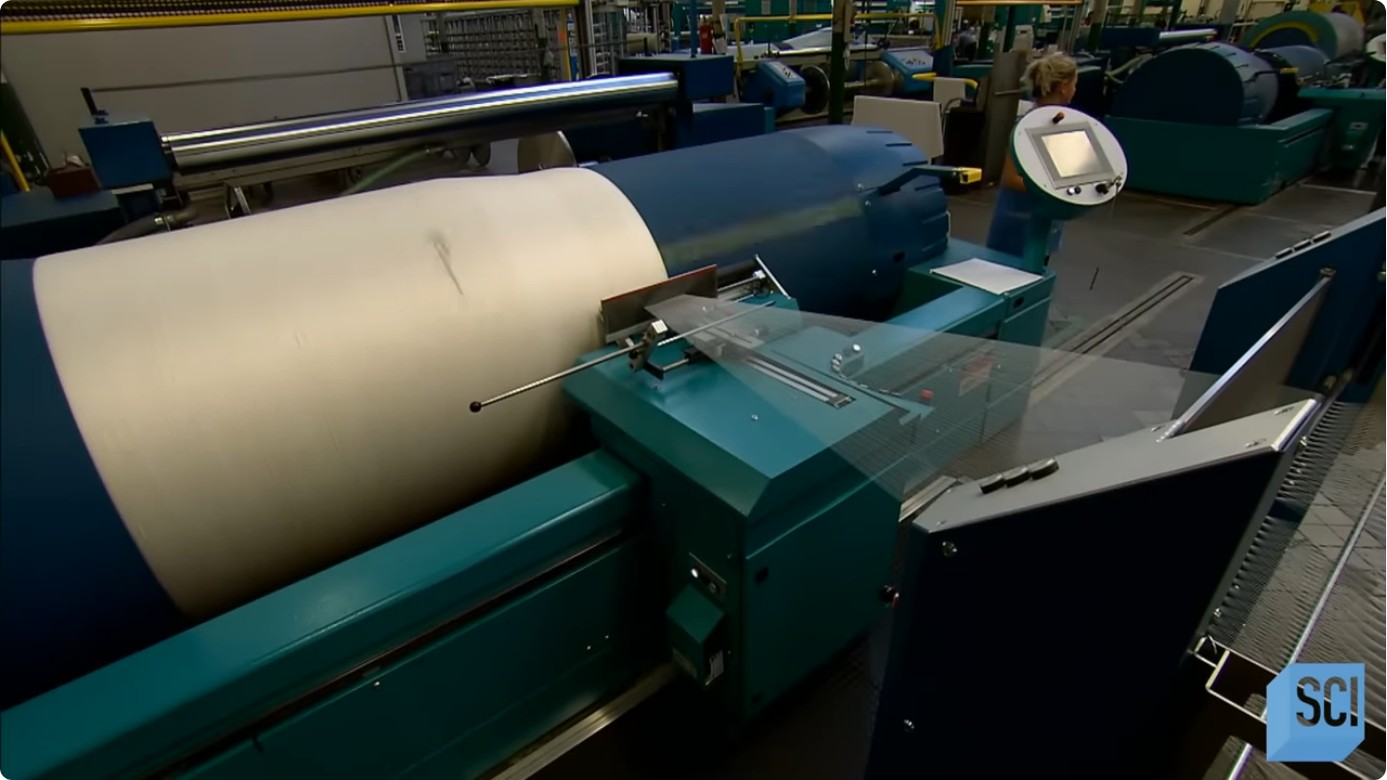
This final yarn is almost never used alone. Its extreme fineness and high cost mean it is virtually always blended with other fibers—like nylon, polyester, cotton, or wool—typically in tiny percentages, often 2-20%.
The value of Lycra/elastane lies in a unique combination of properties that are difficult to replicate with other fibers:
Caveat: The performance of an elastane-blended fabric is only as good as its weakest link. A 5% Lycra blend in a low-quality, thin, or poorly knitted cotton jersey will still feel cheap, pill easily, and may not recover well. The base fabric and construction are paramount.
This is where clarity is critical for sourcing and design decisions. The terms are often confused.
| Feature | Lycra/Elastane (Spandex) | Natural Rubber (Latex) | Polyester Elastomer (e.g., T400) | Other (e.g., Coolmax® EcoMade elastane) |
|---|---|---|---|---|
| Stretch Range | Up to 5x original length | High, but less than spandex | Similar to spandex | Comparable to standard spandex |
| Recovery | Excellent, especially high-grade | Good, but can fatigue faster | Very Good | Good to Very Good |
| Hand & Feel | Very smooth, soft, lightweight | Hot, rubbery, less comfortable | Smooth, similar to spandex | Similar to spandex, may vary |
| Heat/Chlorine Resistance | Poor. Degrades with heat/chlorine | Poor to Fair | Better. Often more resistant | Varies by specific type |
| Lightfastness | Fair to Poor | Poor | Generally Good | Varies |
| Typical Use | All apparel: activewear, swim, intimate, denim, fashion | Legbands, swimwear (legacy), industrial | Swimwear, activewear (where chlorine resistance is key) | Niche or recycled-content applications |
| Cost | Moderate to High | Low | Higher than standard spandex | Premium (often recycled) |
For most apparel applications requiring comfort and high recovery, Lycra/elastane is the gold standard. Polyester elastomers (like Invista’s T400) are engineered for superior chlorine and heat resistance, making them a strategic choice for competitive swimwear and long-life activewear, but they often come at a higher price point and can have a slightly different hand.
The magic of Lycra is in its versatility. Its application dictates the blend percentage, fabric construction, and chosen grade.
If you’re a designer or brand sourcing fabrics, navigating elastane claims requires diligence.
Key Questions to Ask Suppliers:
Tradeoff Alert: Higher Lycra content generally means more stretch and recovery but also higher cost, potentially increased opacity/sheerness in sheers, and greater sensitivity to heat/chlorine. A 3% blend in a sturdy woven twill will feel dramatically different from a 20% blend in a lightweight mesh. The base fabric and construction are 80% of the story; the elastane is the critical 20% enhancer.
Lycra/elastane is a petroleum-based synthetic fiber, and its production has an environmental footprint. Furthermore, its biodegradability is very low. The biggest sustainability challenge is at the end-of-life stage—recycling garments with elastane blends is technologically difficult. Mechanical recycling often degrades the elastane, and chemical recycling processes are still nascent.
The industry is responding:
For now, the most sustainable approach is to design garments for longevity and encourage proper care to extend their life, regardless of fiber content.
Is Lycra the same as spandex?
Effectively, yes for most consumer purposes. Spandex is the generic name (an anagram of “expands”). Lycra is a premium branded version.
Can you feel the Lycra in a fabric?
In low percentages (1-3%) in wovens, you typically feel the base fabric (cotton, polyester). In high percentages (15%+) in knits, you feel a smooth, powerful snap and recovery.
Does more Lycra mean better quality?
Not necessarily. The right percentage for the application is key. 2% in a suit fabric is a high-end feature. 2% in a compression sports bra would be useless. Quality is determined by the elastane grade, the base fiber quality, and the fabric construction.
Should I avoid Lycra?
Only if you have a specific latex/rubber allergy (rare but exists) or are committed to 100% natural fibers for philosophical reasons. For performance, fit, and modern comfort, elastane is nearly indispensable. The decision should be about selecting the right type and amount for the garment’s purpose.
Ultimately, Lycra is an enabling technology. It transforms rigid fabrics into mobile companions and turns simple knits into performance garments. By understanding its origins, its strengths, its vulnerabilities (notably heat and chlorine), and its place within a fabric’s construction, you can make informed choices—whether you’re buying a pair of pants or producing a thousand yards of performance fabric. The next time you feel that perfect, supportive recovery in a garment, you’ll know it’s not magic; it’s meticulously engineered chemistry.


